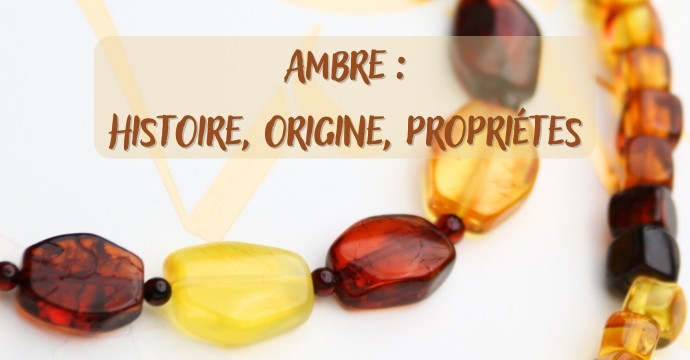
Dive into the fascinating world of Amber, a fossil resin with golden hues. Explore its age-old history, its...
Guide to Precious and Fine Gemstones
Welcome to our Natural Stones Guide, a fascinating journey into the heart of gems that spark curiosity and wonder. Dive into the virtues and stories of stones like labradorite, rose quartz, and amethyst, and learn how to care for them to unveil their beauty and energy.
Our guide is a treasure trove of information for lithotherapy enthusiasts and natural wonder seekers, offering an in-depth look at the hidden treasures of the Earth. Each visit promises new discoveries and enriches your connection to the mystical mineral world.
Join us on this enriching exploration of precious and semi-precious stones, a journey of learning and discovery awaits!
Note: Lithotherapy is a wellness support and does not substitute for medical treatment.
-
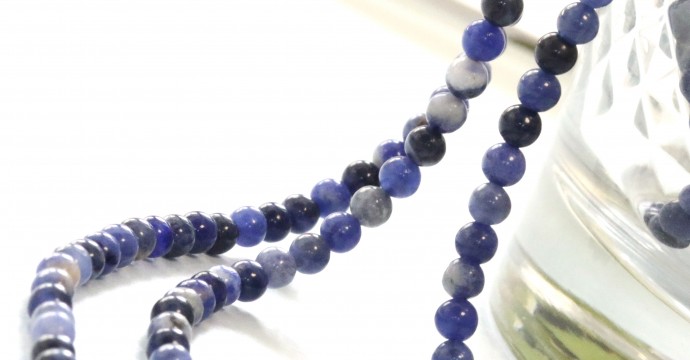
Sodalite: History, Origin, Composition, Virtues, Meaning and Recharging of the stoneRead moreSodalite is a member of the Silicate family. It is one of the few minerals that can be found mixed with traces of white calcite. Sodalite is mainly blue, but can also be yellow, red, white and green. It is highly prized in the world of jewelry, but also in the world of lithotherapy. This natural stone has many advantages, including the ability to enhance communication and reduce anxiety.
-
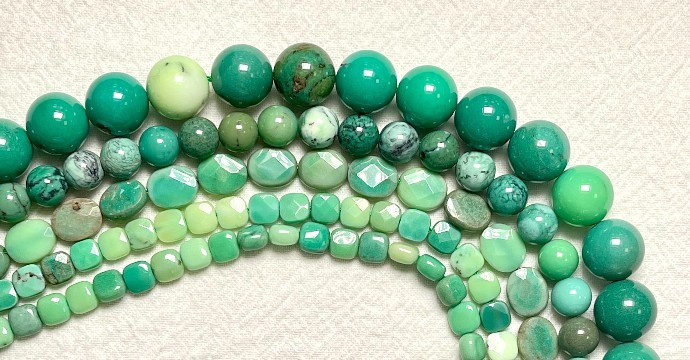
Turquoise: History, Origin, Composition, Virtues, Meaning and Recharging of the stoneRead moreTurquoise is a light to dark blue-green mineral from the phosphate family. It is commonly found in mines and objects in the New World. This natural stone has been used for thousands of years as an ornamental stone and as a traditional material for jewelry, masks, utensils and other objects. It has been prized for its brilliant hues and origin for thousands of years by cultures the world over. Today, its popularity is on the rise, especially among lithotherapy enthusiasts.
-
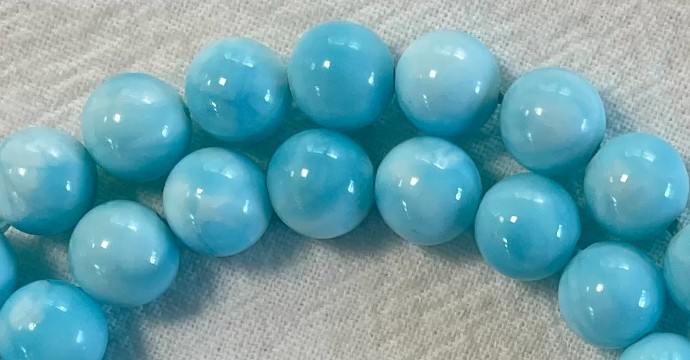
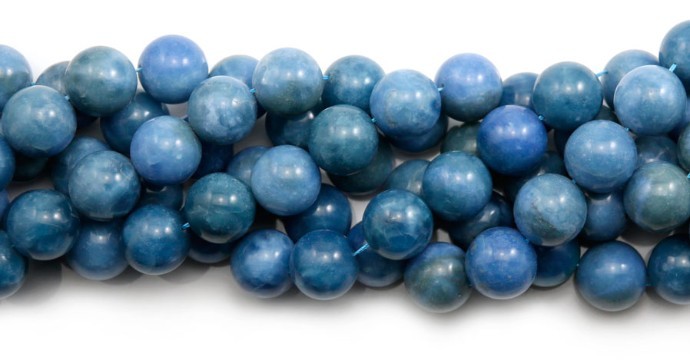
Hemimorphite: History, Origin, Composition, Virtues, Meaning and Refill of the stoneRead moreHemimorphite is a natural stone from the Silicate family. This natural stone is often blue in color, but can come in many different shades. FurthermoreHemimorphite has an optical phenomenon similar to that of Gemstone de Lune and Opal, which reflects light and create colored reflections. Natural Hemimorphite is highly appreciated in the world of lithotherapy for its protective properties, but also in the world of jewelry for its fascinating beauty.
-
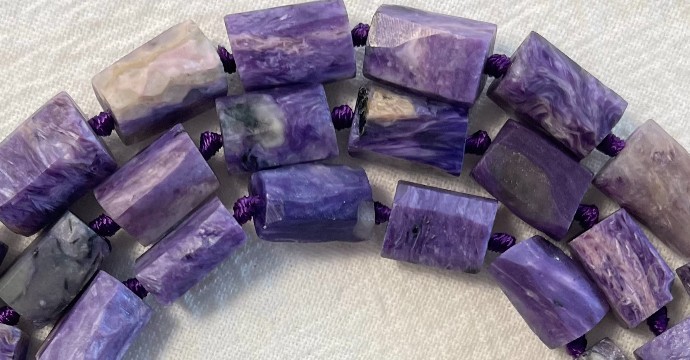
Charoïte: History, Origin, Composition, Virtues, Meaning and Recharging of the stoneRead moreCharoïte is a stone from the Silicate family, found only in one region of the world, Eastern Siberia. This natural stone is unique for its purifying properties in lithotherapy. But also, thanks to its enchanting, soul-soothing violet hues.
-
Celestine: History, Origin, Composition, Virtues, Meaning and Recharging of the stoneRead moreCelestine is a member of the Sulfate family. Its color never ceases to amaze those who have decided to call this natural stone the "Stone of Angels". Natural Celestine is a stone much appreciated by everyone, especially jewellers. Its soothing benefits in lithotherapy make Celestine stone all the more beloved.
-
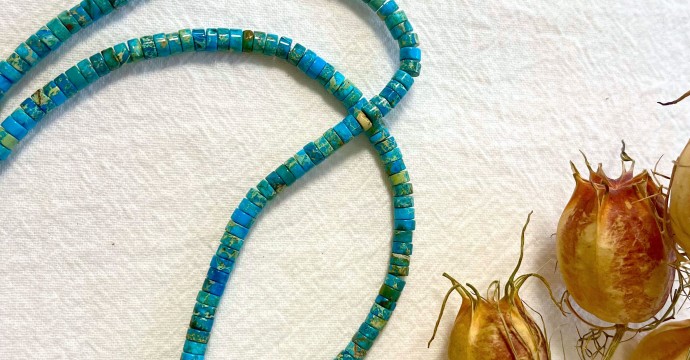
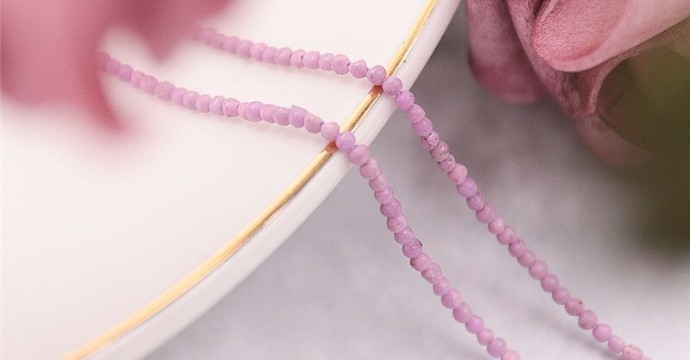
Phosphosiderite: History, Origin, Composition, Properties, Significance and Recharging of the stoneRead morePhosphosiderite is a recently discovered member of the phosphate family. This natural stone can have different colors depending on the impurities. Although not widely known in the trade, Phosphosiderite remains highly prized in the world of lithotherapy and jewelry for its brilliance and beauty.
-
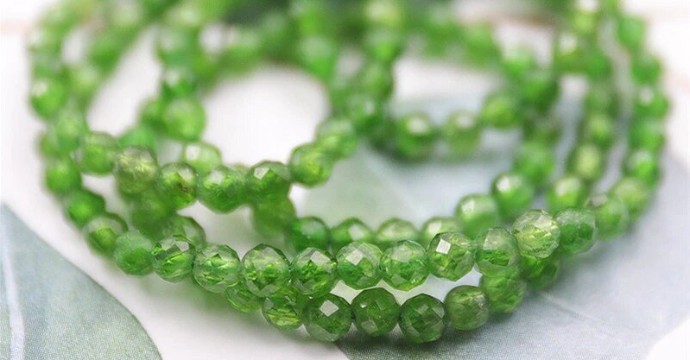
Diopside: History, Origin, Composition, Virtues, Significance and Recharging of the stoneRead moreDiopside is a natural stone from the Pyroxene family. Its magnificent translucent green color is often confused with gemstones, particularly emeralds. Diopside is often used in jewelry because of its abundance and affordability. This natural Diopside stone provides considerable support for vulnerable people in lithotherapy.
-
Seraphinite: History, Origin, Composition, Virtues, Meaning and Recharging of the stoneRead moreSeraphinite is a member of the Chlorite family. The shimmering brilliance of this natural green stone is reminiscent of a feather, giving it an angelic appearance. Seraphinite's purifying properties make it an increasingly popular stone in the world of lithotherapy. What's more, its magnificent green color amazes jewelers, making it even more beloved.
-
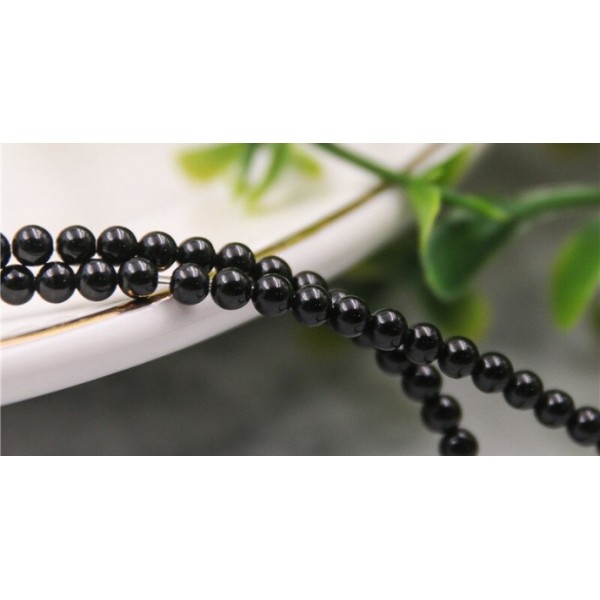
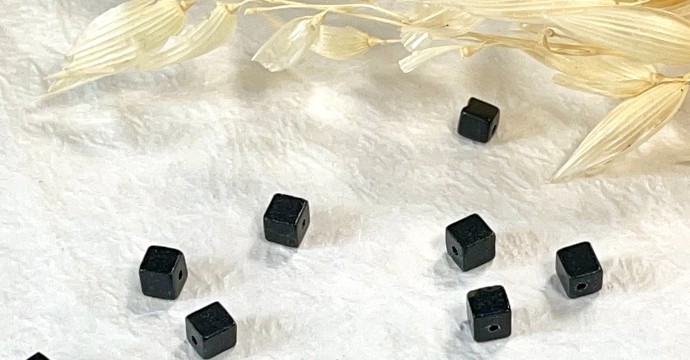
Shungite: History, Origin, Composition, Virtues, Meaning and Recharging of the stoneRead moreShungite is a unique stone with a special composition. This natural stone doesn't belong to any particular family, nor does it have a defined composition, but that's why it's so appreciated by everyone. Its benefits in lithotherapy have been known since ancient times, and its fullerene molecules detoxify and soothe the body. What's more, its black color is timeless, modern, perfect for jewelry-making and, above all, unisex.
-
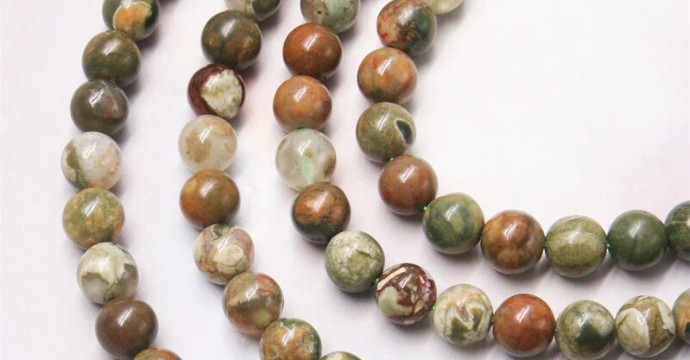
Rhyolite: History, Origin, Composition, Virtues, Meaning and Refill of the stoneRead moreRhyolite is a member of the Volcanic Rock family. Due to its more unusual mineral composition, this natural stone has no unique chemical formula. Nevertheless, Rhyolite remains a favorite of jewelers for its nuanced colors; but not only that, lithotherapy enthusiasts love it for its versatile benefits.
-
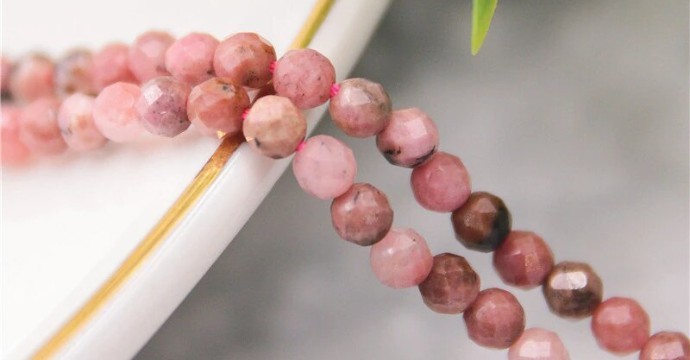
Rhodonite: History, Origin, Composition, Virtues, Meaning and Refill of the stoneRead moreRhodonite is a stone from the Pyroxenoid family. Its color and etymology strongly resemble Rhodochrosite, yet these two natural stones remain totally different from one another in their chemical compositions, crystal structures and physical properties. Rhodonite is very popular for its beneficial properties in lithotherapy. It brings serenity and soothes the user's body and mind.
-
Rhodochrosite: History, Origin, Composition, Virtues, Significance and Recharging of the stoneRead moreRhodochrosite is a natural stone from the carbonate family. It has long been appreciated for its beauty and pinkish color. As a result, Rhodochrosite is mainly used in jewelry or for ornamental purposes. What's more, its lithotherapy benefits make this natural stone even more appreciated.