Dive into the fascinating world of Amber, a fossil resin with golden hues. Explore its age-old history, its...
Serpentine : History, Composition and Virtues
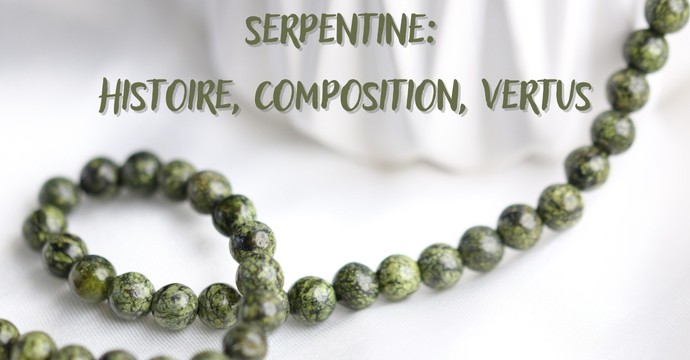
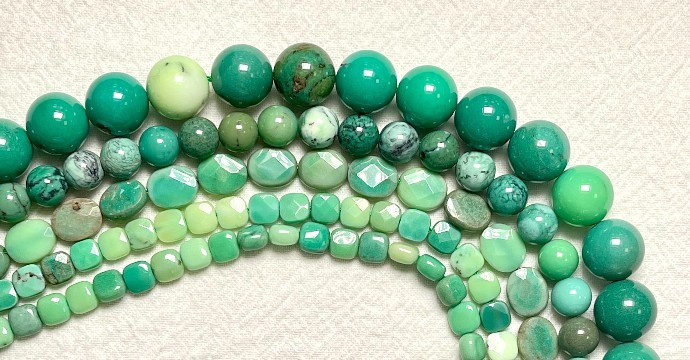
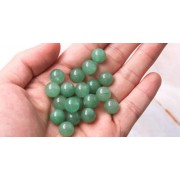
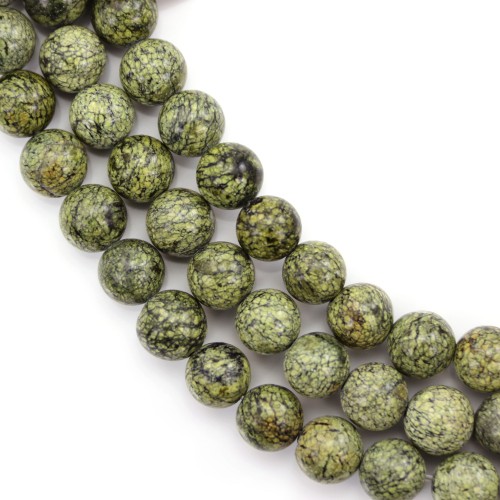
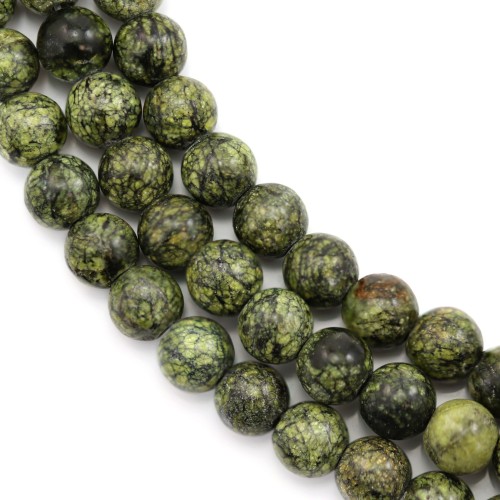
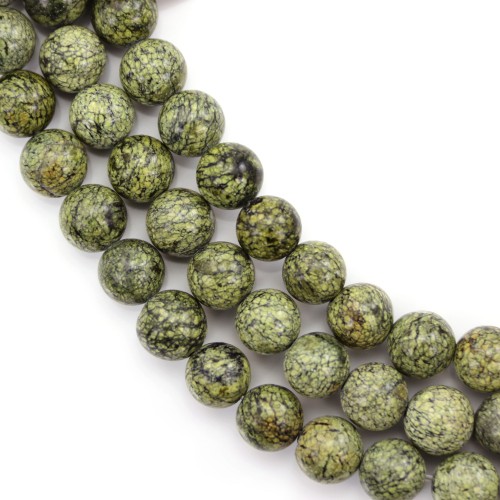
Serpentine—sometimes called “snake stone”—is a fascinating natural stone, prized for both its unique appearance and its energetic properties. It most commonly appears in shades of green, ranging from pale green to deep green, and can even be slightly yellowish. This distinctive color is reminiscent of a reptile’s scales, which is why its name is derived from the Latin serpens, meaning “snake.” Valued in lithotherapy for centuries, Serpentine represents, for many gemstone enthusiasts, a symbol of renewal, soothing energy, and a deep connection with nature.
History of Serpentine
Traces of Serpentine have been found in several ancient civilizations, notably in Mesopotamia and Egypt. There, it was fashioned into amulets and decorative objects, believed to protect the wearer from negative energies and illnesses. In Chinese tradition, Serpentine is sometimes mistaken for jade due to their similar color, hence the name “New Jade” for certain varieties of Serpentine.
Moreover, many Indigenous cultures in North and South America used Serpentine in their shamanic rituals to communicate with Earth spirits. To this day, it retains its reputation as a protective stone, ideal for promoting inner calm and spiritual regeneration.
Origin and Composition of Serpentine
Family and Group
Serpentine belongs to the phyllosilicate group, often called the “serpentine group.” It includes different minerals, the most well-known being antigorite, lizardite, and chrysotile. All these varieties are characterized by their layered structure and high magnesium content.
Chemical Composition and Density
Serpentine has the chemical formula Mg3Si2O5(OH)4, and may sometimes contain iron, nickel, or other trace elements.
The density of Serpentine generally ranges from 2.5 to 3. On the Mohs scale, its hardness varies between 2.5 and 4, depending on the variety. This relatively modest hardness makes it an ornamental stone that’s easy to carve, used both in jewelry for “cabochon” style pieces and in decorative objects—or even in interior architecture for its marbled, warm appearance.
Deposits and Formation
Serpentine forms in metamorphic environments rich in magnesium, often in contact with altered ultrabasic rocks exposed to water and heat. The main deposits are found in Italy (the Alps), Russia (the Urals), Canada, and the United States. It is also found in China, New Zealand, and certain regions of Norway. Its availability worldwide and the variety of its hues make it a stone appreciated by collectors and artisans alike.

Serpentine’s Properties in Lithotherapy
Benefits on a Physical Level
In lithotherapy, Serpentine is often considered a stone of balance and detoxification:
- Promotes muscle relaxation: Its gentle, soothing energy may help ease everyday tensions.
- Supports cellular regeneration: Some practitioners believe it helps stimulate the body and strengthen the immune system.
- Encourages mineral absorption: Thanks to its rich magnesium content, Serpentine is sometimes associated with improved assimilation of essential nutrients.
Benefits on a Psychological and Spiritual Level
On an emotional and spiritual level, Serpentine is renowned for its protective and comforting properties:
- Calms the mind: Its relaxing influence is appreciated for reducing stress and quieting negative thoughts.
- Encourages awareness: It is sometimes linked to the awakening of kundalini energy in certain traditions, thus promoting spiritual awakening and self-reconnection.
- Boosts self-confidence: By helping to dispel fears and doubts, Serpentine supports self-esteem and determination.
Note: Lithotherapy is a complementary energy-based approach. It in no way replaces a medical diagnosis or the advice of a healthcare professional.
Use and Symbolism of Serpentine
Serpentine is often associated with the heart chakra or sometimes the sacral chakra, enabling a smooth flow of emotions and fostering openness to compassion. In meditation practices, it can help:
- Dissolve emotional blockages: Its soothing energy invites release and serenity.
- Channel creative energy: By reinforcing inner harmony, it facilitates artistic expression and spontaneity.
- Encourage reconnection to the Earth: Often called a “grounding stone,” Serpentine helps stabilize the mind and cultivate a more grounded attitude in reality.
Combining Serpentine with Other Stones
Serpentine can be paired with various stones to complement or enhance its effects:
- Rose Quartz: To support self-love and emotional gentleness.
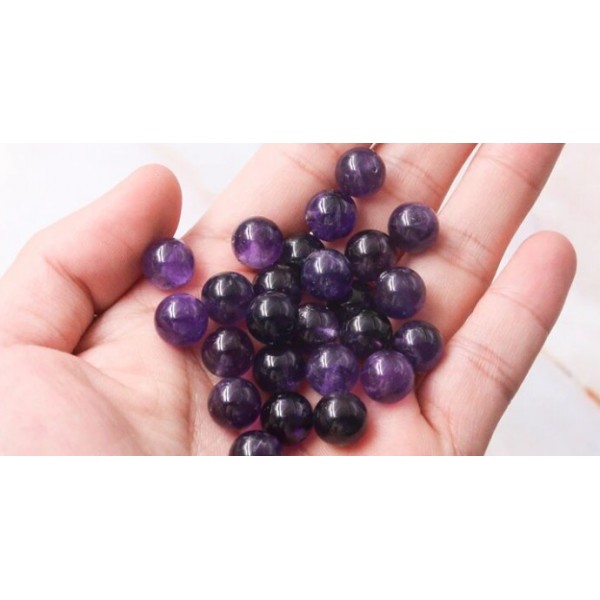
- Amethyst: To cultivate inner peace and mental clarity.
- Jade: Often confused with Serpentine, it complements its protective and harmonizing qualities.
Conversely, it’s best to avoid combining it with overly stimulating stones such as Citrine or Pyrite in the same energy session, to avoid reducing its calming and balancing effect.
Serpentine Cleansing and Recharging
Cleansing Serpentine
To maintain the energetic properties of Serpentine, regular cleansing is recommended:
- Distilled, non-salted water: Run the stone briefly under clear water to remove accumulated energies.
- Smudging: Use the smoke of white sage or sandalwood for gentle purification.
- Tibetan singing bowl: Sound waves help realign the stone’s vibrational frequency.
Recharging Serpentine
After cleansing, recharging Serpentine is necessary for it to regain its vitality:
- Moonlight: Place the stone under the light of the moon, particularly during a full moon, for a subtle and soothing recharge.
- Quartz cluster or Amethyst geode: Lay Serpentine on these mineral supports to boost its energetic strength.
With its hypnotic color, remarkable mineral composition, and protective aura, Serpentine is an ideal choice for anyone wishing to explore inner balance, calm the mind, and deepen their connection with Earth. Appreciated by gemologists for its multiple varieties, it is also popular among lithotherapy enthusiasts for its gentle energy and its ability to soothe emotions.