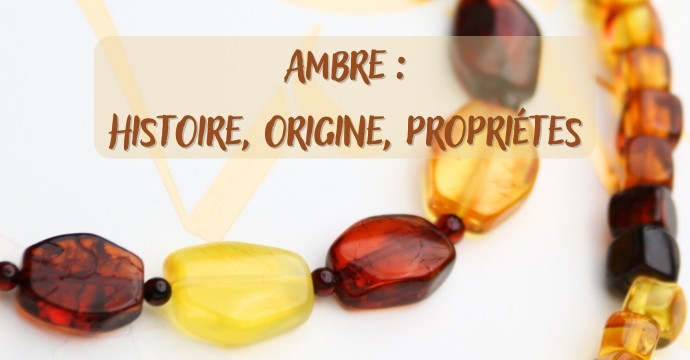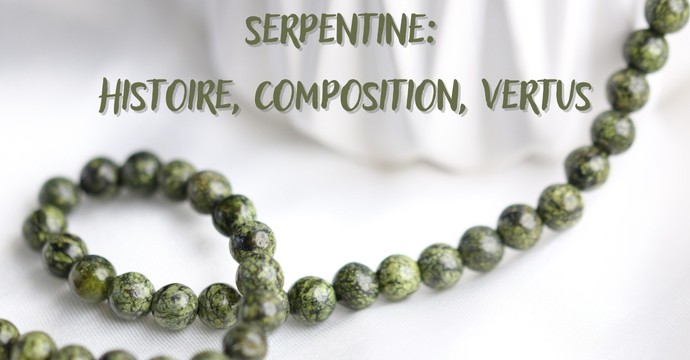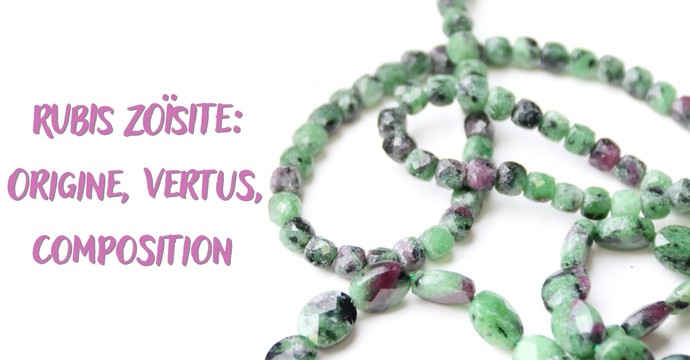
Dive into the fascinating world of Amber, a fossil resin with golden hues. Explore its age-old history, its...
Jade: History, Origin, Composition, Virtues, Meaning and Recharging of the stone
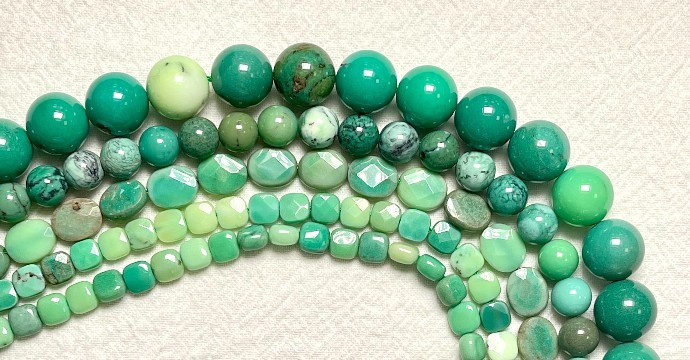
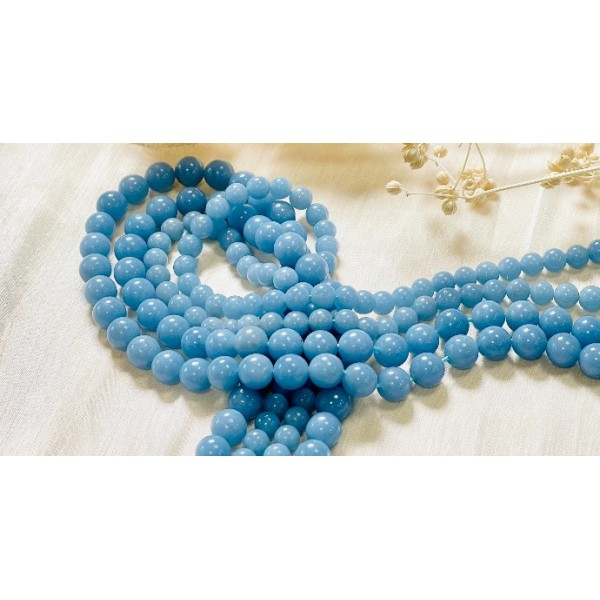
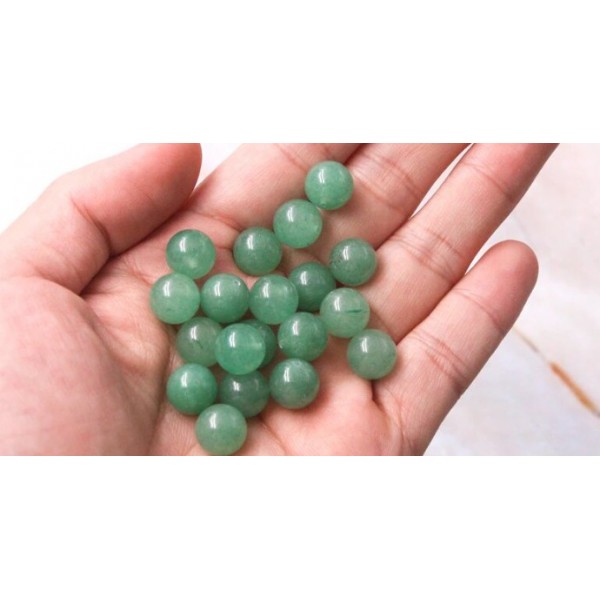
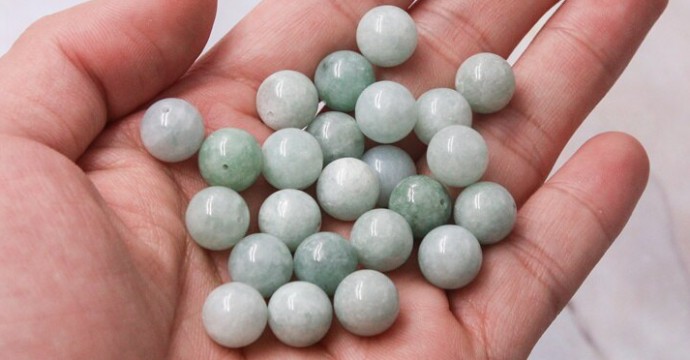
Jade is a stone of prosperity, known since time immemorial for its soothing virtues and beauty. Jade stone was first handled by the Chinese and has since been given the meaning of power and honor. The variety of jade and its color depend on the conditions of formation and the impurities present in the stone. Its color ranges from white to blue-green, black to pink.
History of Jade stone
The etymology of the term Jade is rather complex, originating with the Spanish conquistadors in the 15th century. Indeed, the ancient name for jade stone was "piedra de ijada", meaning "flank stone". The Spaniards gave it this name, as jade had soothing properties against nephritis, an inflammation of the kidney. Later, it was noted that some ancient texts referred to jade as "lapis nephriticus", because of its virtues against nephritis. Finally, when the French discovered the stone in the 17th century, they decided to name it "éjade", in reference to the name "ijada" the Spaniards had once given it. Subsequently, the term "éjade" gradually became "jade".
Jade has been used for a very long time, first and foremost by the Chinese to make artistic objects and for its virtues in lithotherapy. Jade's significance was very important in China, and still is today: if someone possessed this stone as jewelry or as an object, it meant that the person wished to achieve status or dignity within the empire. The jade stone was also a symbol of eternal life, and only the most highly-placed people were allowed to own jade objects. In the past, it was said that placing a jade stone on the body of a deceased person could protect it from putrefaction andhelp itattain resurrection.
Jade is well known not only in China, but also in Greece and Spanish-speaking countries; for example, the Greeks believed that the jade stone was linked to the myth of the Moires, the three goddesses of destiny (Clotho the Spinner, Lachesis the Distributor and Atropos the Inflexible), and provided guidance from life to death. They also used jade for its healing and soothing properties. The Pre-Columbians placed great value on jade, even greater than that of gold. They considered the stone a symbol of strength, longevity and good fortune.
For the pre-Hispanics, jade was valued more highly than gold. Today, only China still works fine jade stone in the traditional way, with millennia of expertise and tradition in stone cutting and processing.

Origin and composition of Jade stone
Jade stone belongs to the Silicate family. However, it is mainly distinguished by 2 minerals: jadeite and nephrite.
Jadeite belongs to the pyroxene family, and is composed of sodium-aluminum silicate, with the chemical formula NaAI(Si2O6). Jadeite is often brightly colored and translucent in appearance. The jade types belonging to jadeite are: Green jade, dragon blood jade, lemon jade and honey jade.
Nephrite belongs to the amphibole family, consisting of hydroxylated calcium-magnesium silicate with the chemical formula Ca2(Mg,Fe)5,((OH,F)Si4O11)2. Nephrite is duller in color and more granular in texture. The types of jade belonging to nephrite are: nephrite jade, African jade, verdite jade and white jade.
Jade has a specific gravity of around 3.3.
Jade is found in metamorphic rocks formed by subduction zones. It can also be found in rocks formed by high atmospheric pressure, more so than nephrite. Jade comes in a variety of colors and textures, depending on the inclusions in the stone:
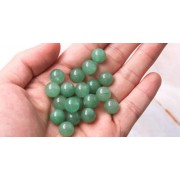
- original jade is green with chromium inclusions,
- white jade is pure jade,
- blue-green jade contains cobalt minerals,
- yellow jade (honey or lemon jade) contains iron and nickel minerals,
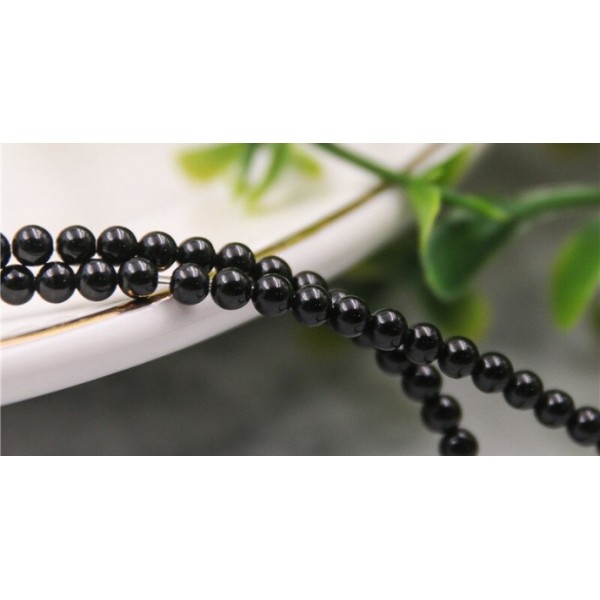
- black jade is due to titanium,
- pink jade is formed from iron and manganese inclusions.
Origin of Jade stone
The main Jade deposits are found in the following countries:
- Nephrite: China, Canada and New Zealand
- Jadeite: Burma (Myanmar), Guatemala and Japan
The stone's hardness varies between 6.5 and 7 on the Mohs scale.
Virtues and significance of Jade in lithotherapy
Natural stone Jade is one of the three rare stones of prosperity, along with Pyrite and Citrine.
Jade in lithotherapy
On a physical level, Jade is said to have very good virtues on the internal or external body, for example, against skin problems such as wrinkles and dryness. Jade is also effective against the body's internal pains, helping to soothe them, such as migraines, fever and urinary or kidney problems. It is said toimprove skin elasticity and accelerate healing.
Psychologically, Jade exudes joy, well-being and peace. It offers serenity and the ability to reflect calmly on different situations, bringing courage, honesty and justice. Jade also helps balance the organs and facilitates childbirth.
Please note that lithotherapy is not a substitute for medical treatment or expertise.
Significance of Jade stone
Jade is said to symbolize wisdom.
Jade is associated with the heart chakra, amplifying positive feelings and happiness. Jade is also connected to the sacral chakra to enhance relationships with others. Finally, it can be linked to the third eye chakra to promote wisdom, and to the solar plexus chakra to regulate the intestinal organs.
Jade is closely linked to the astrological signs of Aquarius, Capricorn, Gemini, Taurus and Cancer.
Its birth month is attributed to August. It's also the perfect stone for 12-year marriages.
Jade stone care, purification and recharging
Jade stone cleaning and purification
To care for your Jade stones, clean and purify them after purchase:
- place insalted demineralized water for about an hour, then rinse in clear water and wipe dry with a soft cloth
- leave it in incense smoke for about 10 minutes to purify it
- leave in direct sunlight
Recharging the jade stone
To recharge your stone, use the following methods:
- Sunlight: Expose the jade to the sun for a few hours to recharge it.
- Moonlight: Place it near an open window or outside to recharge in the moonlight.
- Earth: Bury the jade stone in the ground for a few days.