Dive into the fascinating world of Amber, a fossil resin with golden hues. Explore its age-old history, its...
African Turquoise: History, Origin, Composition, Virtues, Significance and Recharging of the stone
African Turquoise is a member of the Quartz family. This natural stone is less well known than Turquoise, yet it is a unique and intriguing stone with a rich history and distinct beauty. Its misleading name has led to much confusion. Nevertheless, African Turquoise remains very popular for jewelry design and for its many lithotherapy benefits.
History of African Turquoise
The African turquoise derives its true name from African Jasper, which became known as "African Turquoise" for commercial purposes. The Jasper comes from the Latin "jaspidem", meaning "speckled stone". Other origins are thought to mean the same thing: from the Greek "iaspis" or the Hebrew "jaschpeh", both of which mean "speckled or spotted".
The history of African Turquoise was appreciated by ancient civilizations, notably the Egyptians. Many pieces of jewelry and amulets made of African Turquoise have been found in Egyptian tombs. The Egyptians believed that African Turquoise had protective properties and promoted health and longevity.
The Berber peoples of North Africa also used African Turquoise as a protective talisman, symbolizing luck, protection and wisdom. The natural stone African Turquoise was particularly prized by the Tuareg, who regarded it as a symbol of wealth and social status.
Although African Turquoise originated mainly in Africa, it was also used by some Native American cultures because of its similarity to traditional turquoise. Native Americans attributed many virtues to the natural stone, including protection, healing and communication with spirits.

Origin and composition of African turquoise stone
African Turquoise belongs to the Jasper family, part of the Quartz family. It is composed mainly of silicon dioxide, with the chemical formula SiO2. African turquoise has a specific gravity of around 2.5 to 2.9.
African Turquoise is formed when fine particles of silica are deposited in sediments, then compacted and cemented together over time to form a rock. It can also form in volcanic environments, where silica dissolves in lava, then recrystallizes.
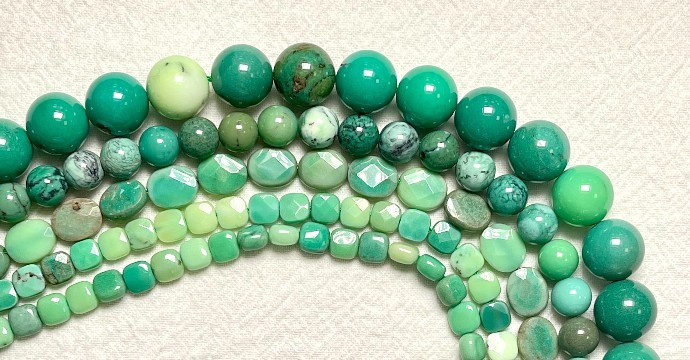
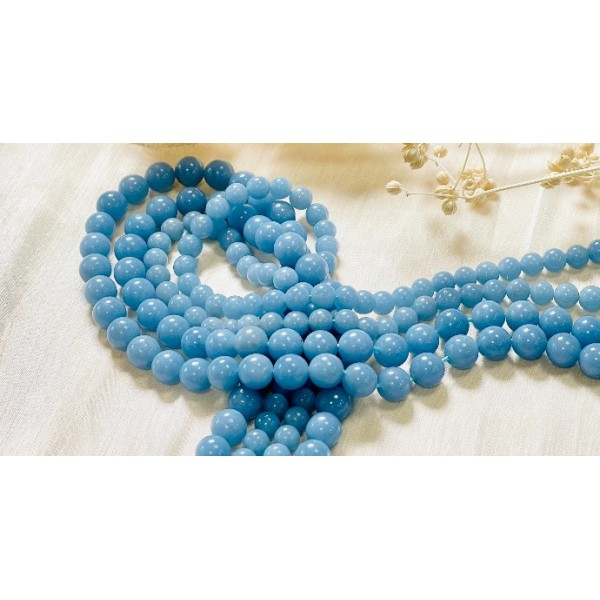
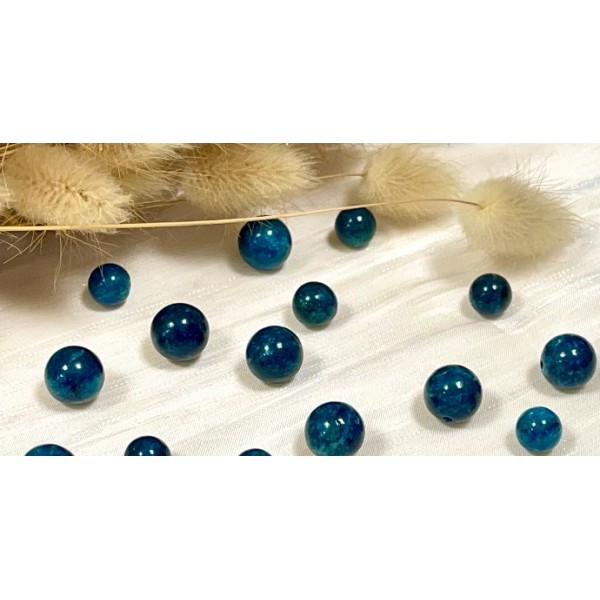
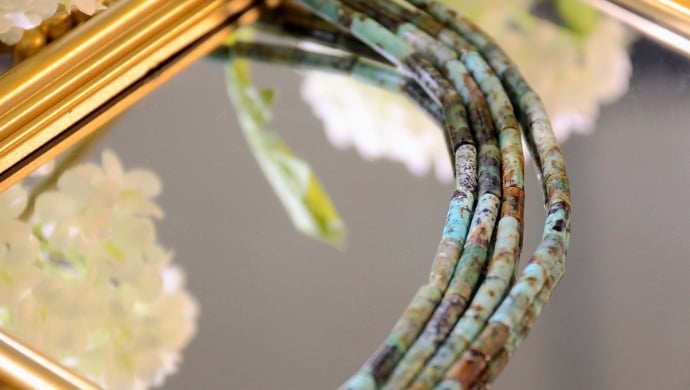
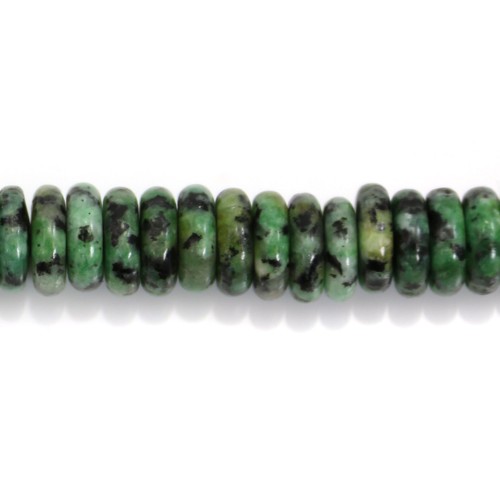
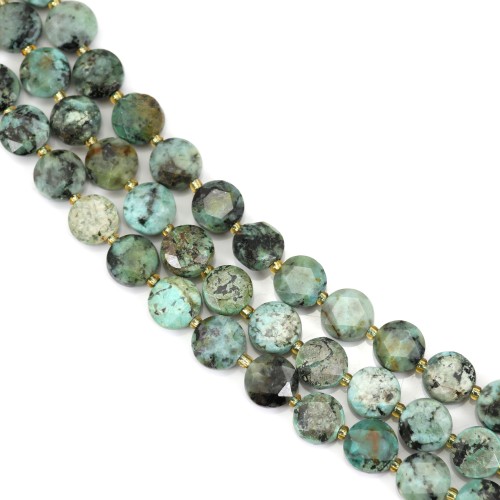
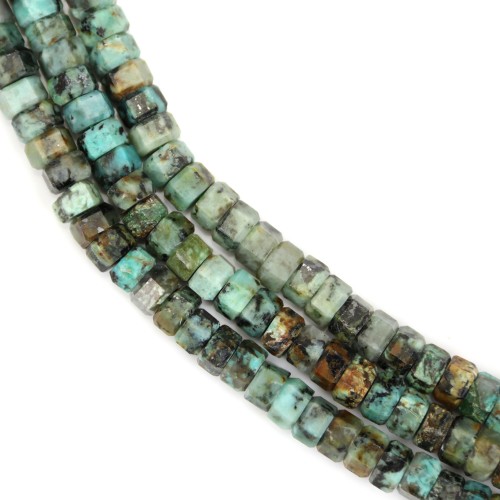
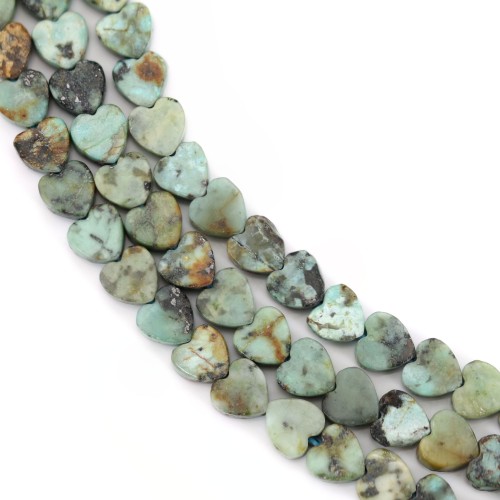
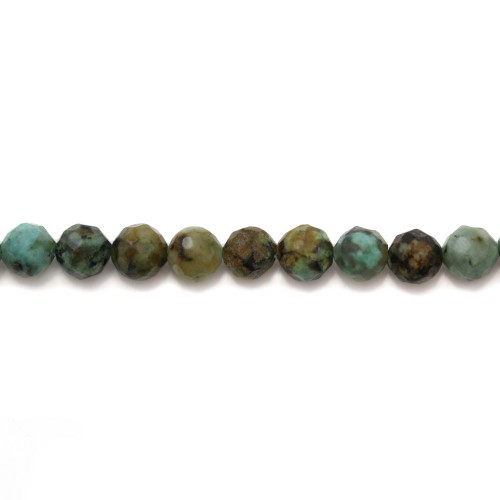
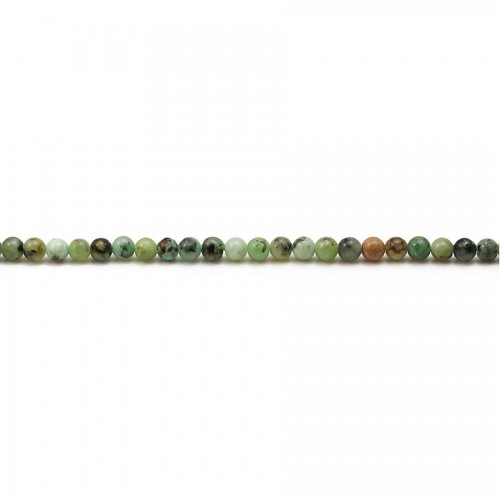
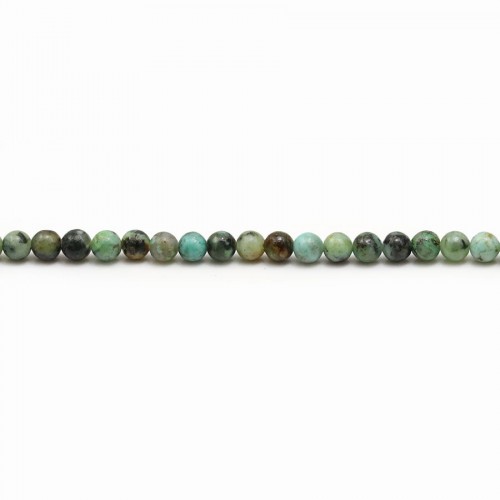
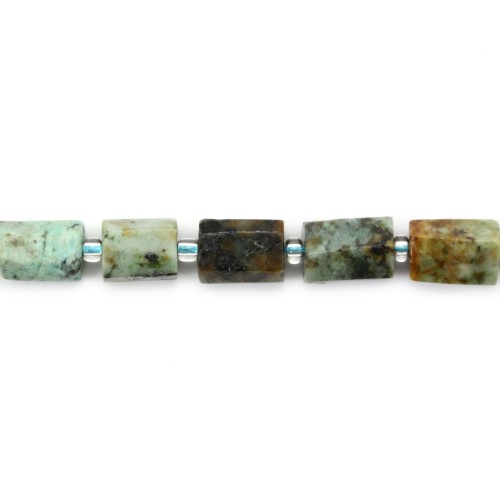
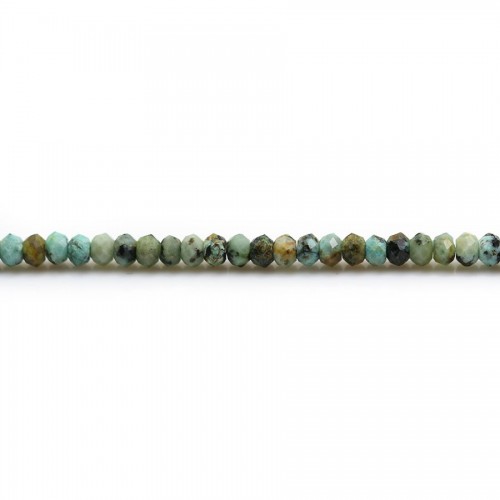
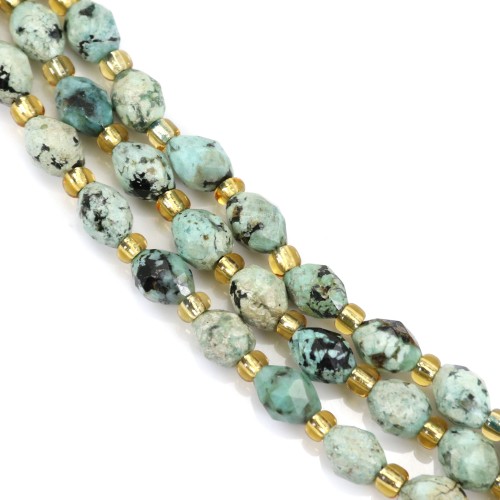
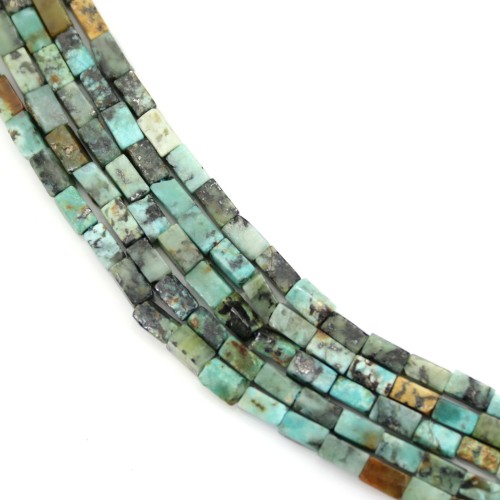
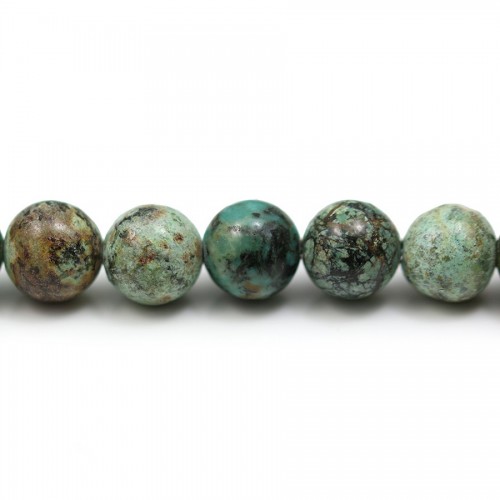
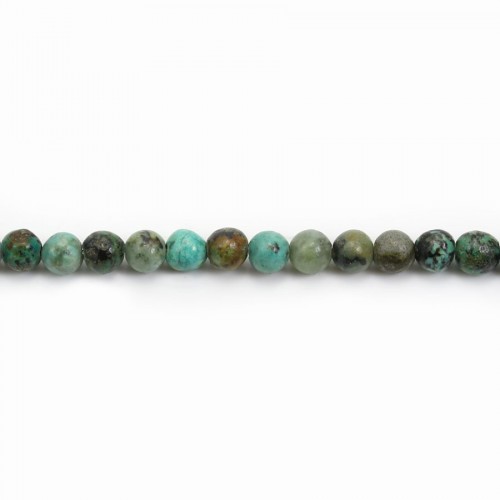
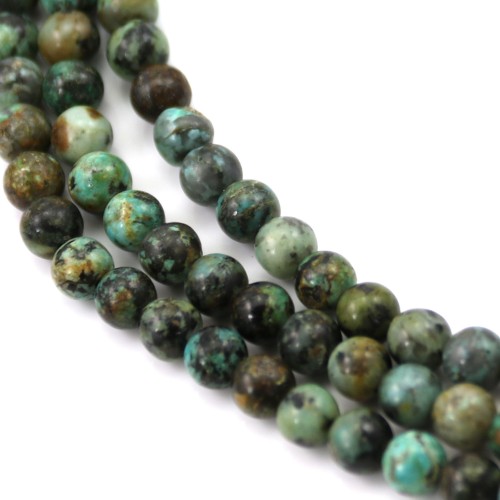
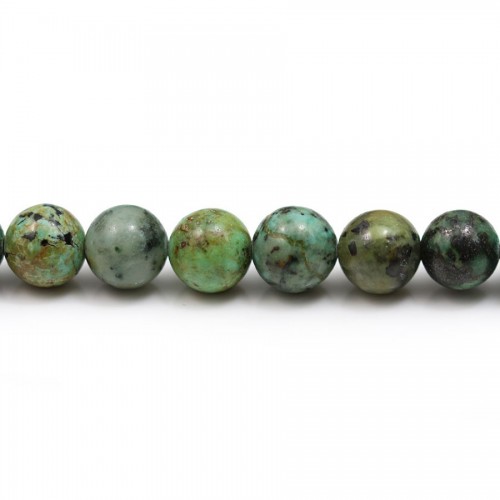
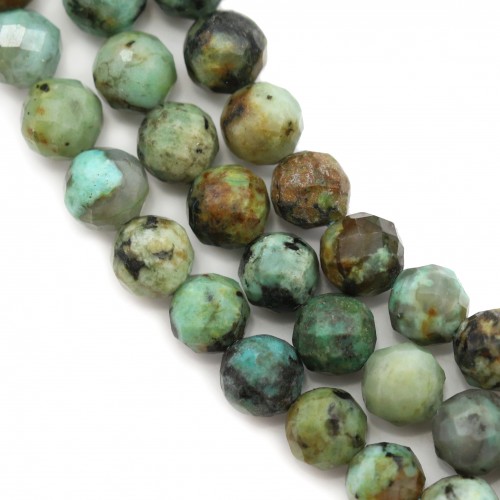
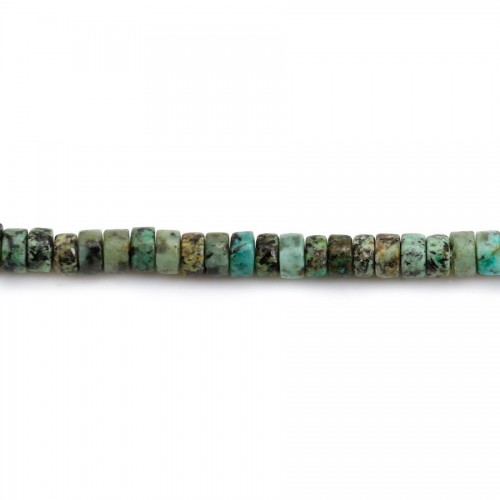
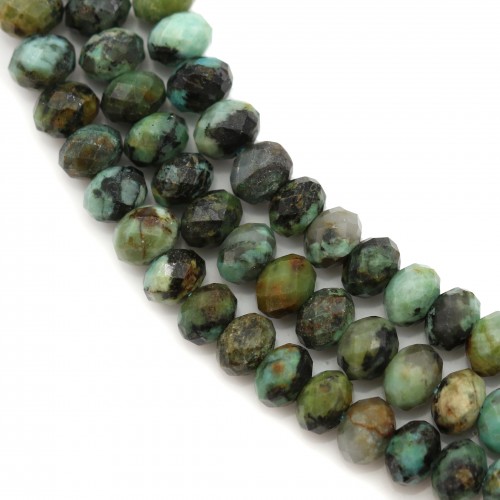
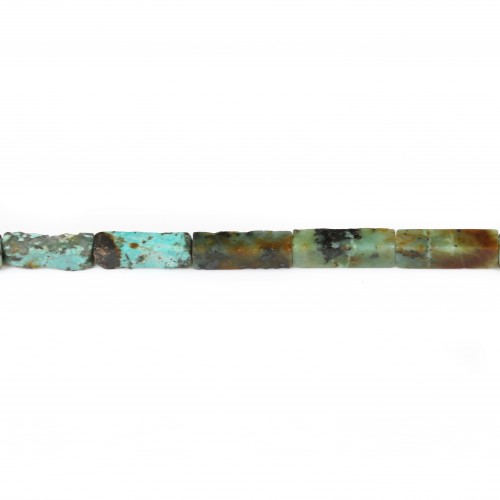
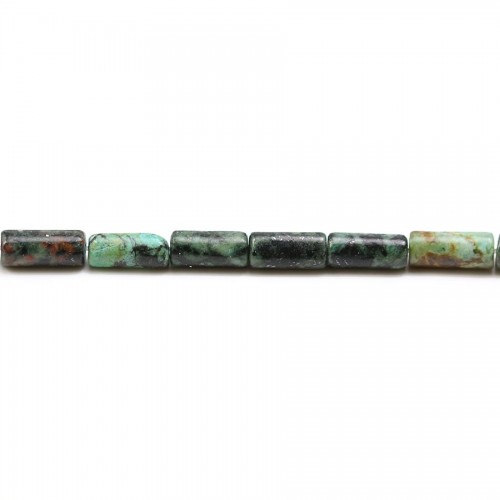
African turquoise ranges in color from light to dark green, with shades of blue and brown flecks. Color nuances depend mainly on the stone's chemical composition and the presence of various minerals. It should be noted that most African Turquoise sold on the market has undergone a dyeing process to provide this distinctive color. Although the stone is natural, its color is not.
Origin of African Turquoise
The main deposits of African turquoise are found in various African countries, including South Africa, Namibia, Egypt and Madagascar.
African turquoise has a hardness of 6.5 to 7 on the Mohs scale.
Virtues and significance of African turquoise in lithotherapy
In lithotherapy, African Turquoise is a stone of protection and comfort.
The natural stone African Turquoise in lithotherapy
On a physical level, the natural stone African turquoise is reputed to ease mood swings. It helps strengthen the digestive system to facilitate the elimination of toxins and combat eating disorders, and reinforces the respiratory system. In lithotherapy, this natural stone can also calm emotional disturbances related to the body and mind, helping to improve sleep.
In lithotherapy, on the psychic level African turquoise is an excellent emotional support. It soothes aggressive emotions such as anger and jealousy. It encourages self-confidence, the expression of feelings and sincere communication. This natural stone also promotes creativity, intuition and empathy.
Please note that lithotherapy is not a substitute for medical treatment or expertise.
Meaning of African Turquoise
African turquoise is a symbol of peace.
African Turquoise is often associated with the heart chakra , which promotes pure emotions, joy and benevolence, and enhances empathy and positive feelings such as love and friendship.
African Turquoise is linked to the astrological signs of Scorpio, Sagittarius, Libra, Aquarius, Gemini and Pisces.
African Turquoise stone care, purification and recharging
To care for your African Turquoise we suggest a few methods:
Cleaning and purifying
It's important to clean and purify your African turquoise so that it retains its natural brilliance:
- Rinse the stone in unsalted distilled water for a short time before using a soft cloth to gently dry the stone,
- Purify the stone using fumigation, by placing it in purifying herbal smoke for a few minutes.
Reloading
Don't forget to reload your stone with African Turquoise to take full advantage of its powers:
- Recharge the natural stone with sunlight for a few hours,
- Bury the African Turquoise in the ground for a full day to recharge it, then rinse it to remove any remaining dirt,
- Place a cluster of quartz next to it to recharge.
Related products
African turquoise imitation round Heishi beads 2x6mm x 39cm
African flat faceted round Turquoise 8.5mm x 38cm (40 pieces)
African Turquoise hexagonal faceted rondelle 3x6mm x 38cm
African turquoise heart 4mm x 39cm
African turquoise, round faceted shape, 2mm x 40cm.
Round faceted African turquoise, 3mm x 40 cm
African turquoise, round shape, 2mm x 40cm
Round African turquoise, 3mm x 39cm
African turquoise in baroque shape 8x11mm x 40cm (35pcs)
African turquoise faceted roundel, 2x3mm x 39 cm
African faceted olive turquoise 5x6mm x 38cm (47 pieces)
African turquoise rectangle 2.5x4.5mm x 39cm
Round African turquoise 10mm x 38cm
Round African turquoise 4mm x 38cm
Round African turquoise 6mm x 39cm
Round African Turquoise 8-8.5mm x 39cm
Round faceted African turquoise 4mm x 39cm
African Turquoise Heishi Round 2.5x4mm x 39cm
African Turquoise faceted roundel 3x4mm x 39cm
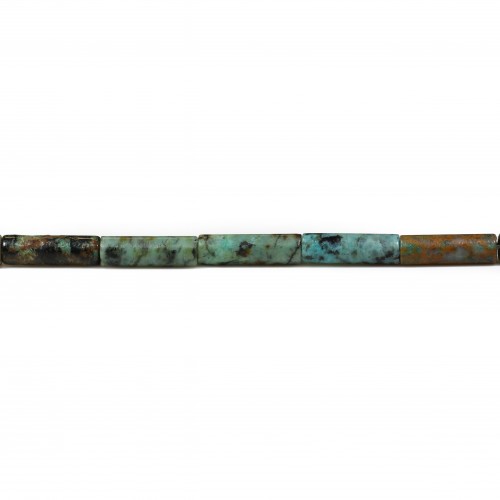
African turquoise tube 4x13mm x 40cm
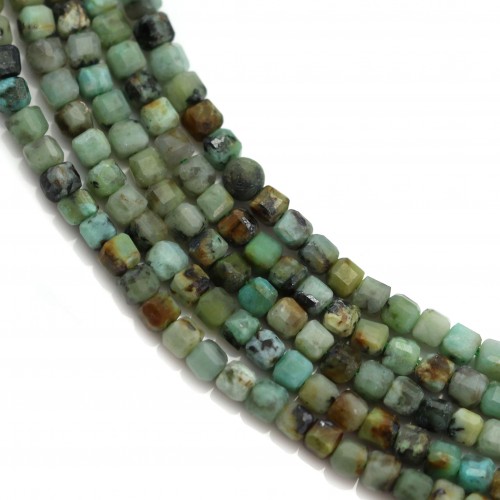
African turquoise, faceted cube, 2mm x 39cm
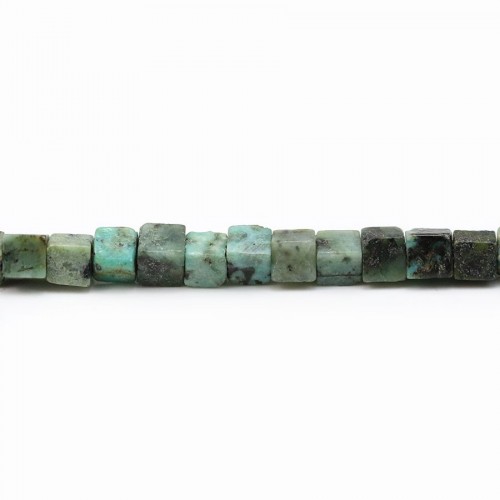
African turquoise, in shape of square, 4mm x 40 cm
African turquoise, rectangle shape 4x13mm x 39cm
African turquoise, tube-shaped, 4x8mm x 40cm
Leave a comment
Related posts
10 benefits you probably didn't know about black agate!
Agate: History, Origin, Composition, Virtues, Meaning and Recharging of the stone
Agate Botswana : History, Origin, Composition, Virtues, Meaning and Recharging of the stone
Green Agate: History, Origin, Composition, Virtues, Meaning and Recharging of the stone
Aquamarine: History, Origin, Composition, Virtues, Meaning and Recharging of the stone