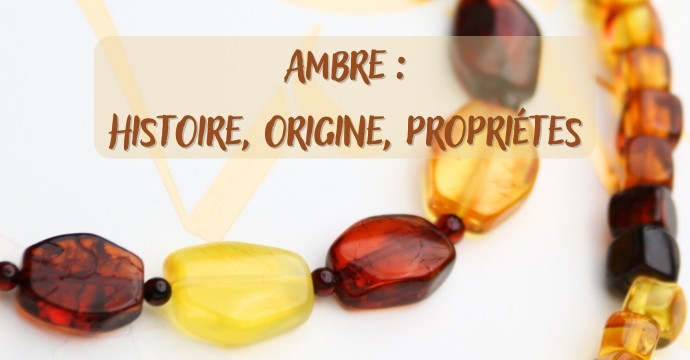
Dive into the fascinating world of Amber, a fossil resin with golden hues. Explore its age-old history, its...
Sapphire: History, Origin, Composition, Virtues, Meaning and Reloading of the stone
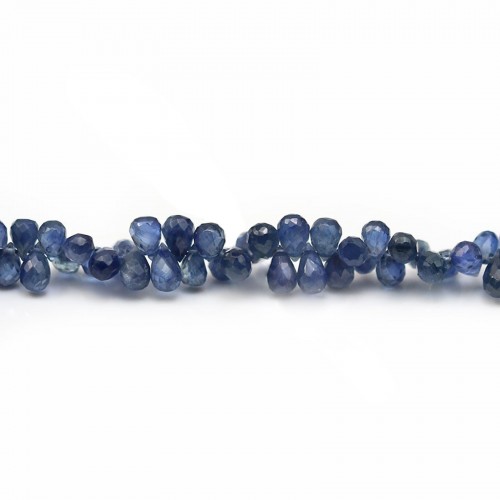
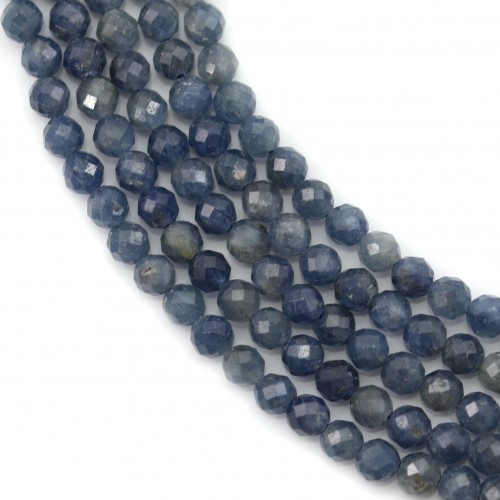
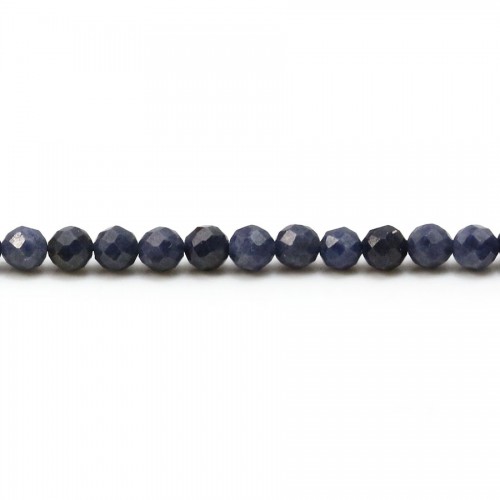
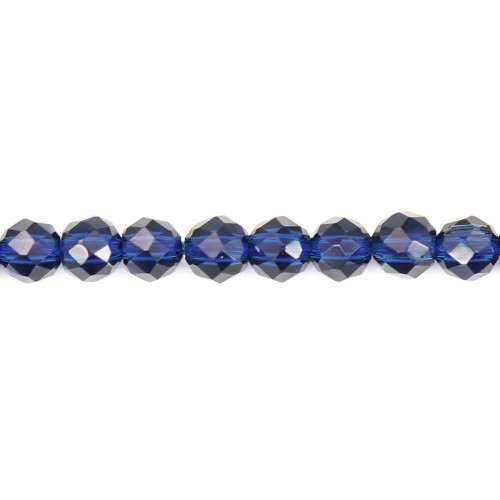
Sapphire is a member of the Corundum family. Sapphire is a gemstone that comes in a variety of colors and hues, the best known being the blue variety, which has been widely exploited throughout history and in the world of jewelry. Sapphires have many other fascinating properties, particularly in the world of lithotherapy, which set them apart from all other types of gemstone.
History of Sapphire stone
The etymology of the word Sapphire comes from the Greek "sappheiros" meaning "blue". There are also other derivatives of the name, from the Latin "sapphirus" or the Hebrew "sappir", all meaning "blue".
Sapphire has a long history, linked to numerous virtues and beliefs. The blue stone is mentioned in the Old Testament, expressing that Moses' Tables of the Law inscribed God's thoughts with Sapphires. Thus, this stone took on an important symbolism, particularly among the Greeks and Romans, who linked the Sapphire to celestial and divine power. Moreover, kings and queens were convinced that Sapphires protected their owners from envy and evil. Among Egyptians and Romans, the Sapphire stone was considered a sacred stone of Truth and Justice.
In the Catholic religion of the Middle Ages, the clergy wore sapphires to symbolize divine purity, thanks to their sky-like color. The gem was often worn as a ring on the right hand, the hand that gives blessings, as a symbol of their devotion and closeness to God. Sapphire was also said to have the power to preserve chastity due to its proximity to the Virgin Mary, to make peace between enemies, to influence spirits and to reveal the secrets of oracles.
One legend has it that a king of England named Edward the Confessor gave his ring to a beggar who later became an evangelist. Another says that the Sapphire stone symbolized freedom, and that if a prisoner was in possession of this stone, he could escape by rubbing the Sapphire on all 4 sides of the prison.
Sapphire has always been associated with royalty and romance. Indeed, Sapphire has traditionally symbolized nobility, truth, sincerity and fidelity. This association was reinforced in 1981, when Britain's Prince Charles presented Lady Diana Spencer with a blue sapphire engagement ring. Until her death in 1997, Princess Diana charmed and captivated the world. Her sapphire ring linked modern events with history and fairy tales.
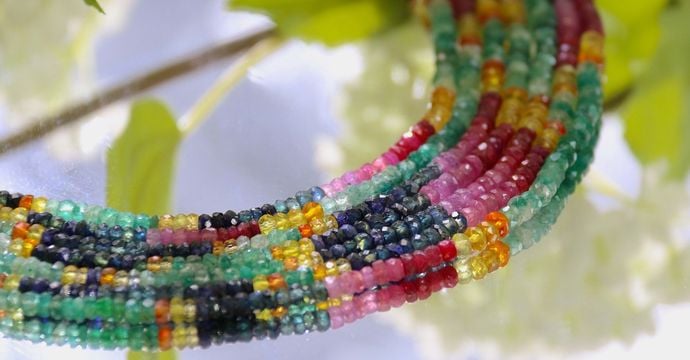
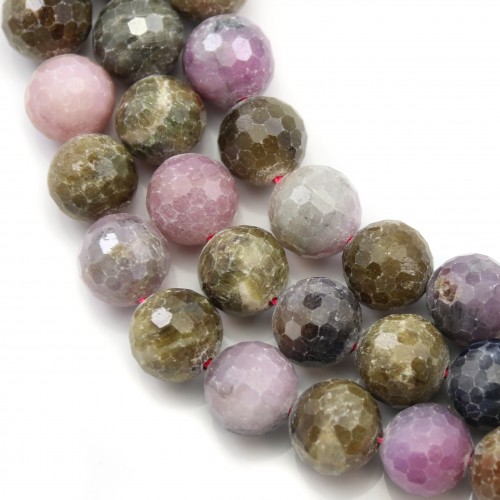
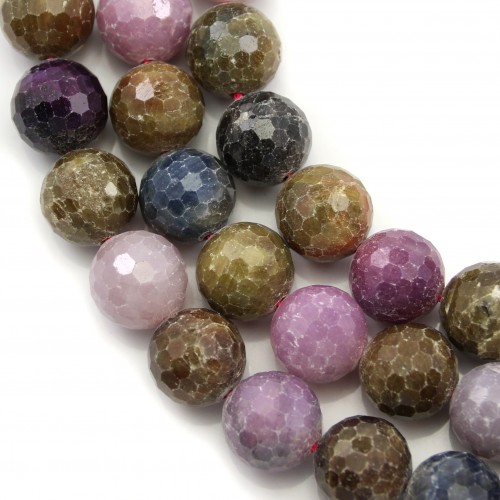
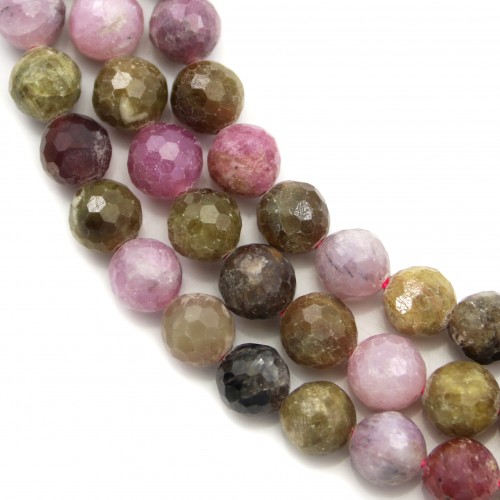
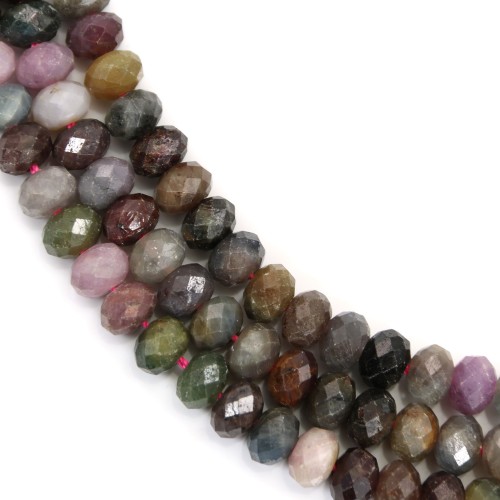
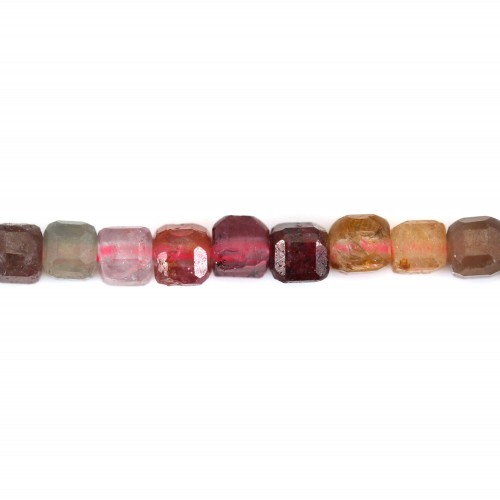
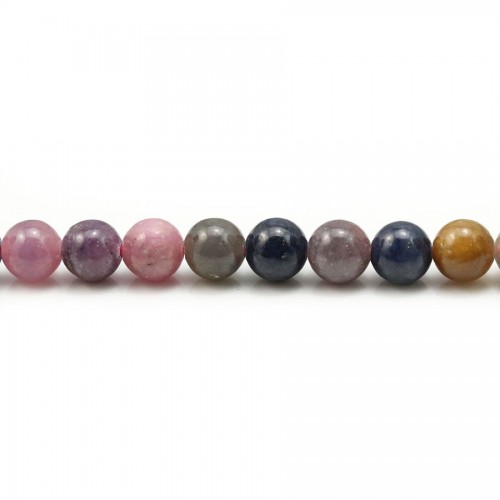
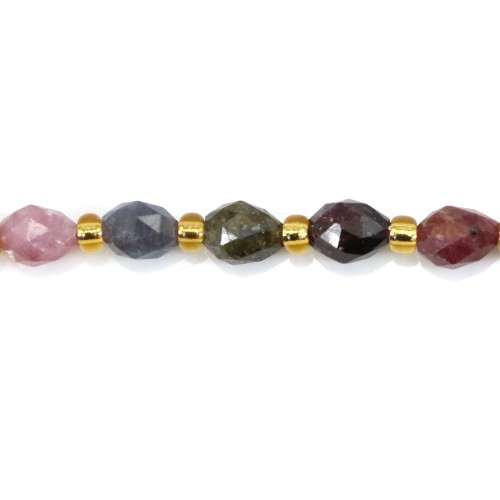
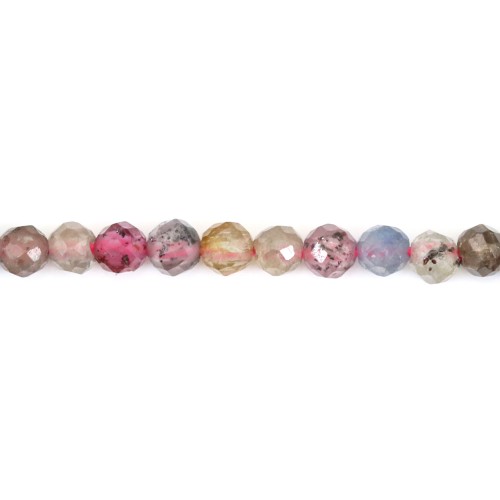
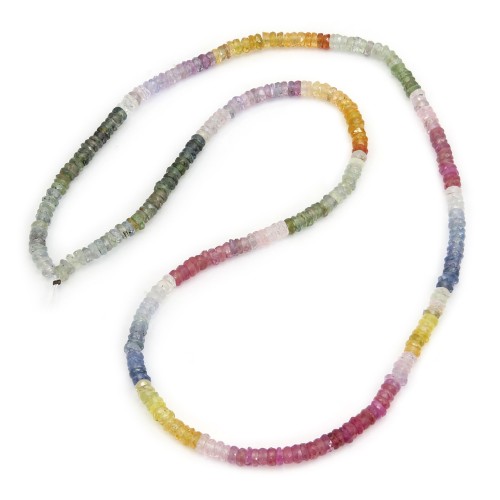
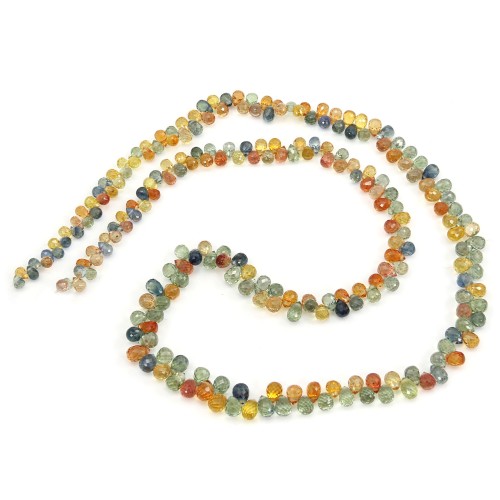
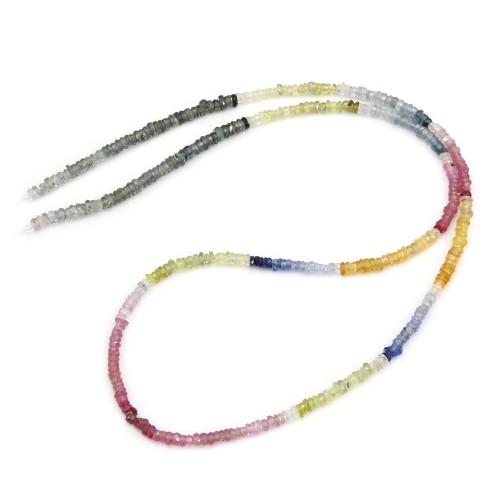
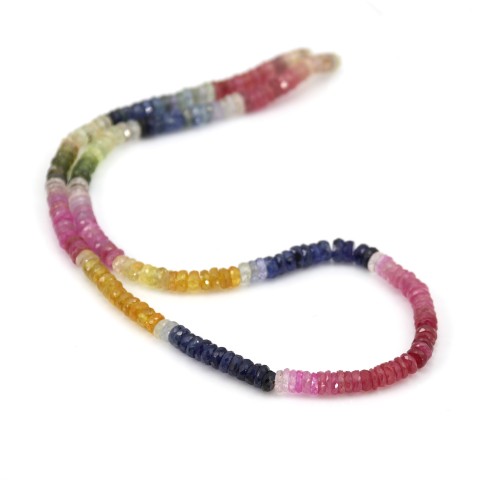
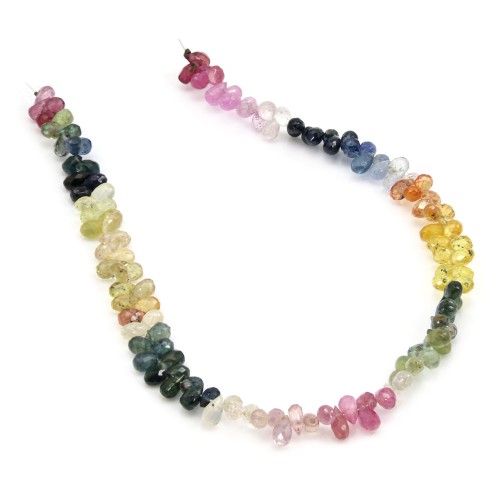
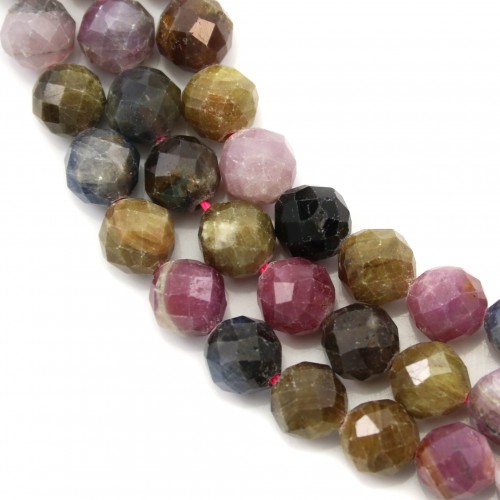
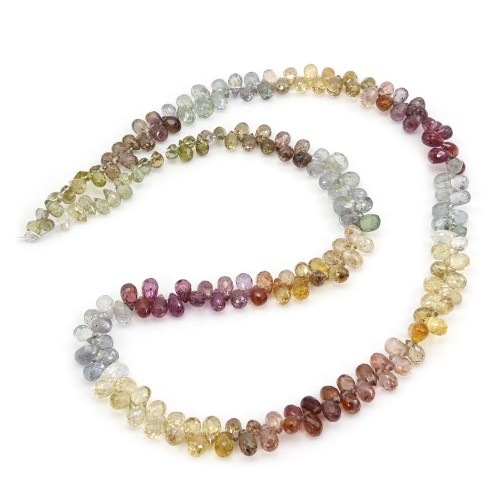
Multicolored sapphires first came to prominence in the 1990s, thanks to discoveries in East Africa and Madagascar. These new discoveries increased the availability of multicolored sapphires.
The stone Sapphire has always fascinated the world, and remains just as fascinating today, whether in the world of jewelry or lithotherapy.
Origin and composition of Sapphire stone
Sapphire belongs to the Corundum family. It is mainly composed of aluminum oxide with the chemical formula Al2O3. Sapphire has a specific gravity of around 4.
Sapphires are formed in metamorphic rocks, such as gneiss, one of the main reasons being that the parent rock is rich in silicon and aluminum. The alumina and silica in metamorphic rocks mix with water and minerals to form large corundum crystals. Corundum is found in silica-poor rocks.
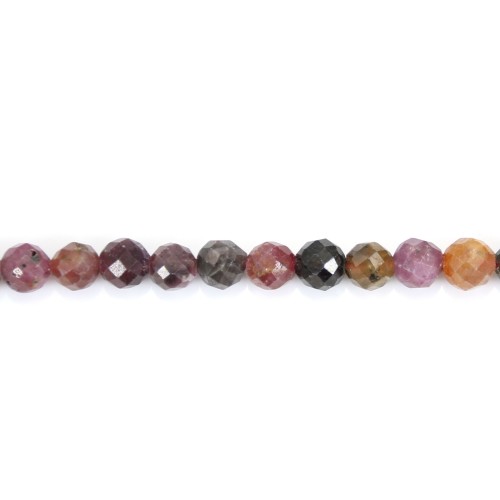
Colorless corundum is the rarest, as it is the chemical impurities in the crystalline structure that give the gemstone its color. On the other hand, when corundum is red, it is called Ruby, when it comes in other colors, it's called colored sapphire.
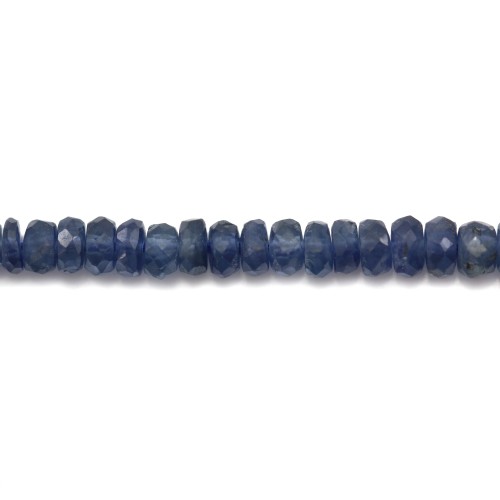
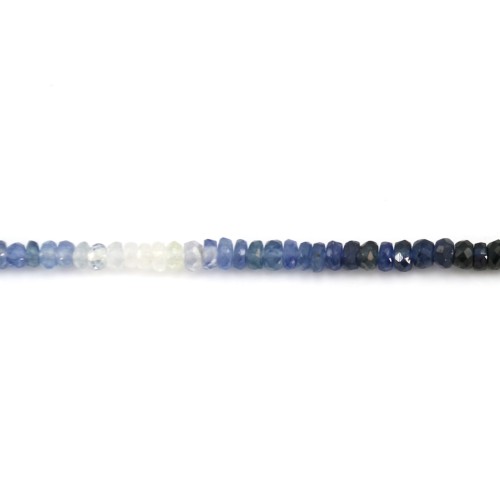
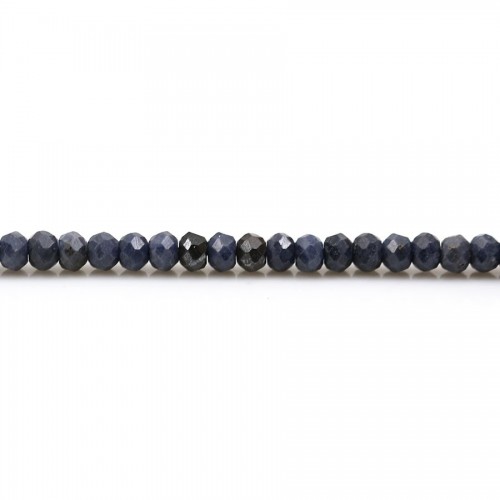
The best-known variety of sapphire is the blue sapphire. Sapphires also come in other colors, including yellow, violet, orange, pink, green, colorless and black. Sapphire's blue color is determined by the traces of iron and/or titanium in its chemical composition. The higher the iron content, the darker the sapphire's blue.
The best-known varieties of Sapphire are :
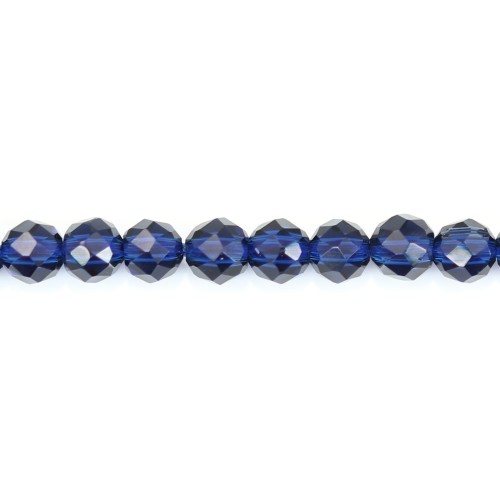
- Blue Sapphire: The best-known and most common variety, colored by traces of iron and titanium. The rarest variety of blue sapphire is Kashmir blue sapphire, which is extremely rare and precious.
- Yellow sapphire: A common variety that owes its color to the presence of iron. Vivid colors are rarer and more precious.
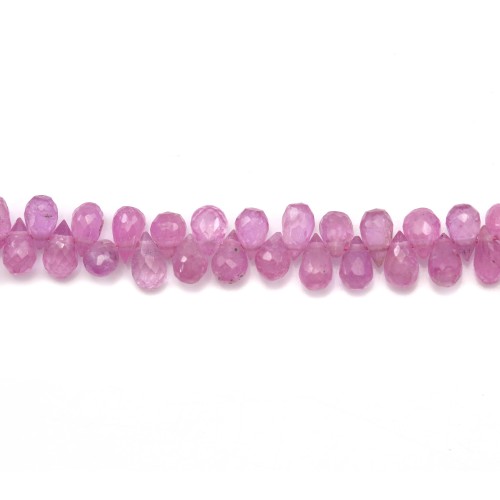
- Pink sapphire: A less common variety of sapphire than blue or yellow, but still available. Its color is due to the presence of chromium.
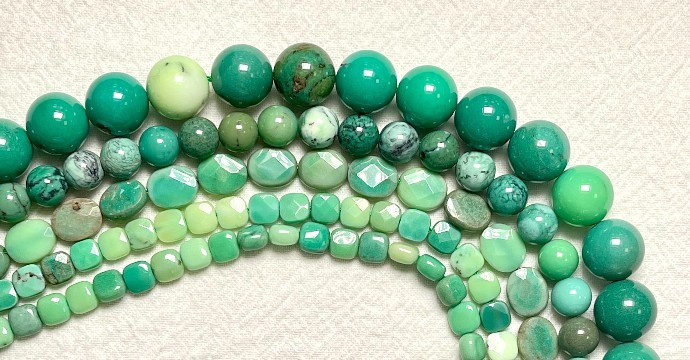
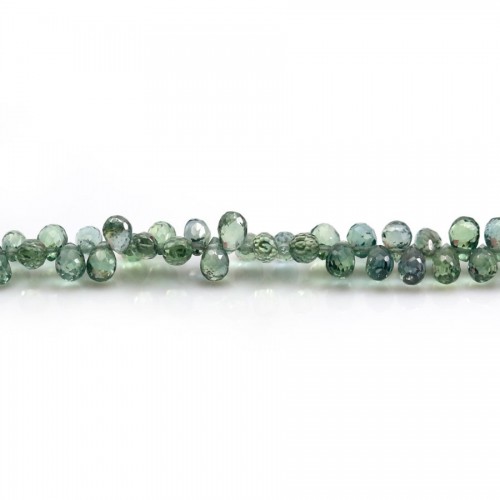
- Green sapphire: One of the rarest varieties, requiring special conditions to form. The stone's color is due to the presence of iron. Most green sapphires on the market are actually blue sapphires that have been treated to modify their color, i.e. by heating, diffusion or irradiation.
- Violet sapphire: A less common and less well-known variety, which owes its color to the presence of vanadium impurities.
- Star Sapphire: One of the rarest varieties, due to their special rutile inclusion formation and light source that gives an asterism or six-pointed star effect.
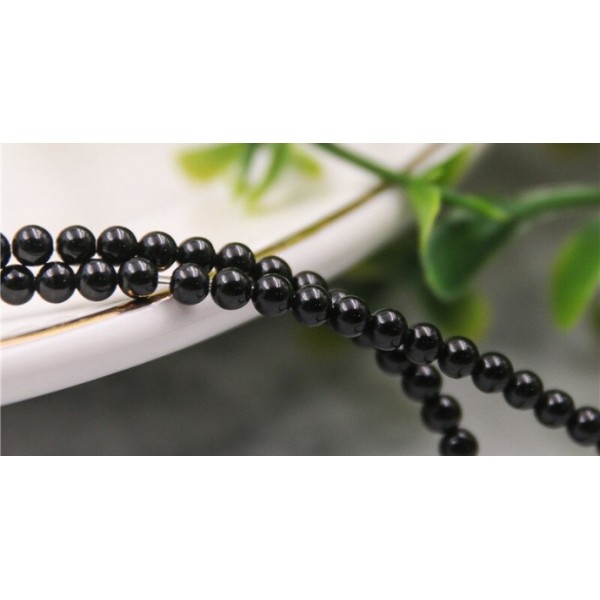
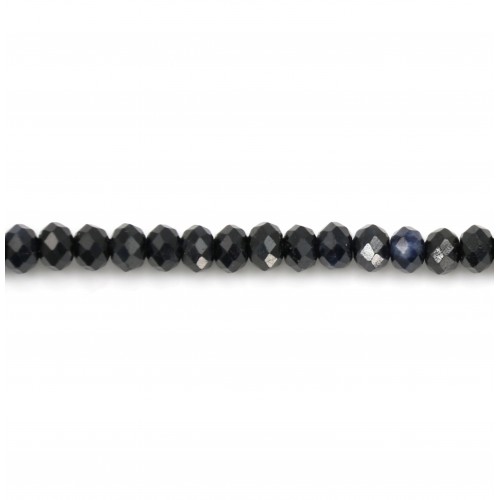
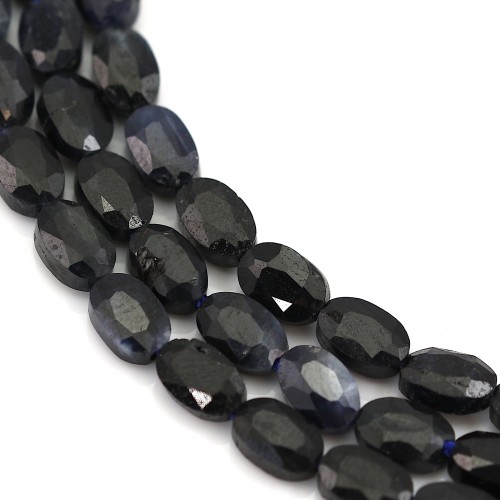
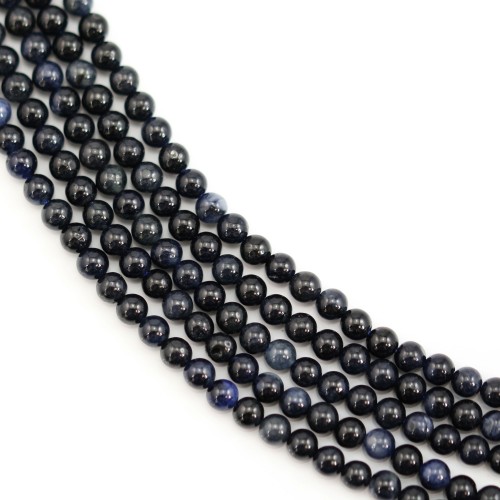
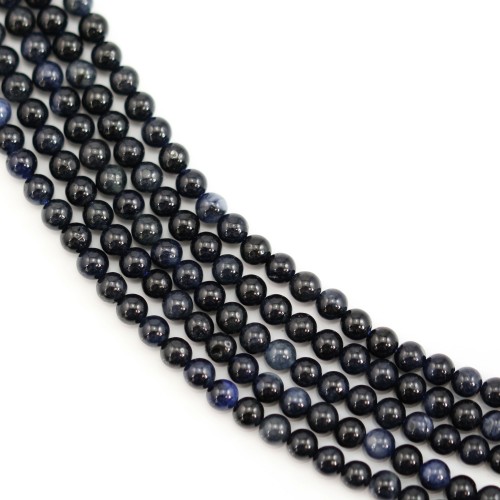
- Black Sapphire: A lesser-known and less prized variety, these are actually very dark blue sapphires with lots of iron and titanium inclusions.
- Colorless sapphire: One of the rarest varieties, as it is impurity-free.
- Padparadscha sapphire: The rarest and most precious variety of sapphire, with an orange-pink color. The color is due to chromium and iron impurities. The name "Padparadscha" comes from the Sinhalese meaning "lotus flower".
Origin of Sapphire stone
Sapphire is generally produced in Australia, Burma, Sri Lanka, Thailand and India. However, multicolored sapphires can be found in a variety of countries, depending on their geographical location.
- Blue Sapphire can be found in Australia and Madagascar. High-quality sapphires are produced in Sri Lanka, Burma and India (Kashmir).
- Yellow sapphire is produced in Thailand, Australia, Sri Lanka and Madagascar.
- Pink sapphires can be found in Tanzania, Vietnam and Madagascar. But the best-known are from Sri Lanka and Burma.
- Green sapphire is rare, but deposits can be found in Sri Lanka, Tanzania and Australia.
- Violet sapphire is produced in Sri Lanka, Vietnam and Madagascar.
- Star sapphires are found in Sri Lanka, Burma, Thailand and Australia.
- Black sapphire is only produced in Australia and Madagascar.
- Colorless sapphire is rare but can be found in Madagascar, Burma and Sri Lanka.
- Padparadscha sapphire is the rarest variety, with small deposits in Madagascar and Tanzania. Its main deposit, however, is in Sri Lanka.
Sapphire has a hardness of 9 on the Mohs scale.
Virtues and Significance of Sapphire in lithotherapy
In lithotherapy, Sapphire is a stone of serenity and open-heartedness.
The natural stone Sapphire in lithotherapy
Physically, Sapphire is known to relieve migraines, muscular pain, respiratory disorders and anger. Sapphire is said to enhance sleep, with positive dreams. These effects reduce fatigue and improve concentration. In lithotherapy, this natural stone enhances blood circulation, vision and skin regeneration. Sapphire also helps you reconnect with your body, preventing the onset of illness.
Emotionally, Sapphire is known as a stone that promotes creativity and patience. Moreover, this natural stone reinforces and accentuates dynamism, perseverance and helps calm fears. In lithotherapy, Sapphire enables the expression of thoughts and emotions while protecting the wearer from dark energies. As a result, Sapphire helps develop self-confidence, faith and spiritual upliftment.
Sapphire has different virtues and benefits in lithotherapy depending on its color:
- Blue sapphire: Soothes joint pain, headaches and regulates body temperature. It also strengthens the venous system and improves the skin. Blue Sapphire brings calm while promoting concentration and spiritual connection. Finally, this stone helps with hyperactivity and protects against sadness.
- Yellow sapphire: Stimulates vitality and accelerates regeneration. It strengthens the immune system, facilitates digestion and the elimination of toxins. It brings joy and support in the face of obstacles. Finally, Yellow Sapphire promotes self-expression and communication.
- Pink Sapphire: Strengthens the heart while reducing nervousness to bring serenity to its wearer. It aids concentration, helps bring projects to fruition and reinforces wisdom. Finally, Pink Sapphire promotes positive emotions and protects against aggressive feelings such as anger or jealousy.
- Green sapphire: Reduces fatigue and hyperactivity, and enhances vision, skin and the venous system. In addition, it aids understanding of self and others, self-expression and self-acceptance. Green Sapphire promotes relationships and reinforces positive emotions such as empathy and benevolence.
- Violet sapphire: Soothes migraines and promotes sleep. It also helps regulate the endocrine and immune systems. Moreover, in lithotherapy, it stimulates connection with the higher self, creativity, intuition and wisdom. Finally, Violet Sapphire is associated with emotional and spiritual balance.
- Star sapphire: Strengthens the physical body in general. Aids emotional healing, particularly from trauma or emotional suffering.
- Black Sapphire: Promotes healthy hearing and bones, reduces stress and regulates tension. Black Sapphire protects against negative energies and enhances self-confidence and inner strength.
- Colorless Sapphire: Facilitates energy circulation and the elimination of toxins. It brings clarity and purity while promoting communication, understanding and concentration.
- Padparadscha Sapphire: Improves the cardiovascular and reproductive systems. This natural stone enhances passion, love and joy. It also stimulates enthusiasm, creativity and optimism.
Please note that lithotherapy cannot replace medical treatment or expertise.
Significance of the stone Sapphire
Sapphire symbolizes spiritual values.
Sapphire is associated with the third eye chakra, which enhances tolerance, intuition and inspiration. It also promotes calm and clarity. This stone is also linked to the crown chakra, which strengthens faith, wisdom and spiritual connection.
Chakras are associated according to the colors and properties attributed to each chakra Sapphire:
Blue Sapphire is associated with the throat chakra, which facilitates communication and the flow of speech, self-expression and honesty.
Yellow sapphire is associated with the solar plexus chakra, which benefits the digestive system and boosts vitality and dynamism.
Pink and green sapphire is linked to the heart chakra, which promotes benevolence, love and open-mindedness.
Violet sapphire is associated with the third eye chakra.
Black Sapphire is linked to the root chakra, which amplifies calm, confidence and blood circulation.
Colorless sapphire is associated with the crown chakra.
Padparadscha Sapphire is linked to the heart and sacral chakras, which stimulate creativity, joie de vivre and energy.
Star Sapphire has no associated chakra.
Sapphire is closely linked to the astrological signs Virgo and Libra. It is also the birthstone of the month of September. Sapphire is ideal for celebrating 5 years and 45 years of marriage.
Sapphire stone care, purification and recharging
To care for your Sapphire, we suggest a few methods:
Cleaning and Purification
It is important to thoroughly clean and purify your Sapphire to keep its natural radiance:
- Rinse the stone in salted distilled water for a short time before using a soft cloth to gently dry the stone,
- Purify it using fumigation, by placing the Sapphire in the smoke of purifying herbs for a few minutes.
Reloading
Don't forget to reload the Sapphire to take full advantage of its powers:
- Recharge the natural stone with moonlight for a few hours,
- Bury the stone in the ground for a full day to recharge it, then rinse it to remove any remaining dirt,
- Place a quartz cluster next to it to recharge it.
Related products
Round Faceted Rubies & Sapphires 6mm x 40cm
Ruby and sapphire, 10-10.5mm, faceted round beads x 38cm
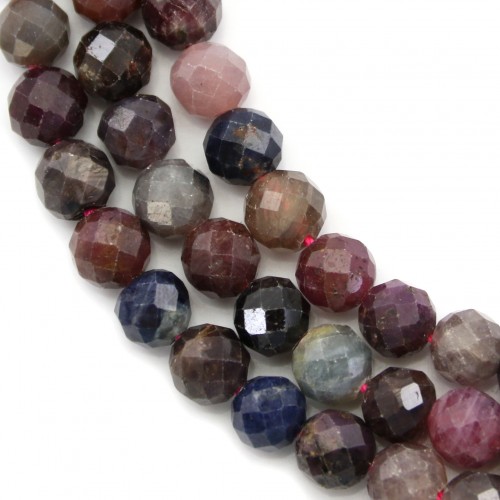
Ruby & sapphires, faceted round beads 12-12.5mm x 39cm
Ruby and sapphire, 13-13.5mm, faceted round beads x 39cm
Ruby & sapphires, faceted round beads, in size of 8-8.5mm, x 40 cm
Ruby and sapphire, faceted round shape, 3mm x 39cm
Ruby Sapphire Roundel Faceted 4x6mm x 40cm
Ruby Sapphire faceted cube 2mm x 39cm
Round multicolored sapphire ruby 6mm x 39cm
Faceted olive-shaped Ruby Sapphire 5x6mm x 39cm (48 pieces)
Round faceted ruby sapphire 2mm x 39cm
Round faceted ruby and sapphires 4.5mm x 40cm
Multicolored Sapphire Graduated Faceted Rondelle 3.5-4mm x 46cm
Sapphire Slice Facet gradation 2.5-4.5mm
Faceted Sapphire Rondelle 3x4mm x 39cm
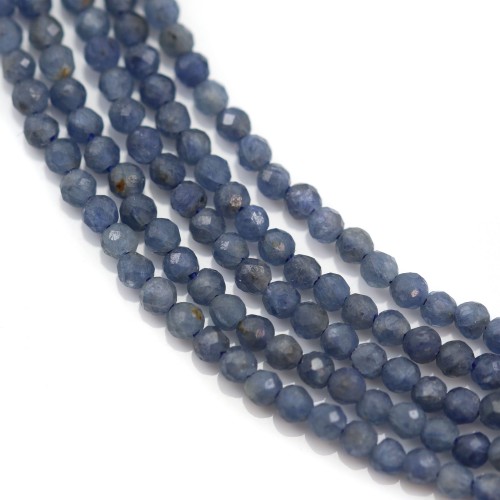
Blue sapphire round faceted 3mm x 39cm
Round faceted blue sapphire 4mm x 40cm
Synthetic blue sapphire, in faceted round shape, 2mm x 39cm
Faceted sapphire cube 2mm x 39cm
Pink sapphire, in the shape of a faceted briolette, 3 * 5mm x 40cm
Gradient sapphire roundel faceted 1x3-2x4mm x 41cm
Multicolored faceted briolette sapphire, graduated size x 44cm (232 pieces)
Multicolored sapphire faceted rondelle 2.5-3mm x 45cm
Multicolor sapphire flat faceted drop 5x7mm on thread
Multicolor sapphire roundel heishi faceted 4-5mm x 39cm
Multicolor sapphire, faceted briolette shape 2.5x4mm x 45cm
Multicolored sapphire, in the shape of a faceted briolette 3x5mm x 40cm
Multicolored sapphire, faceted drop shape 2.6x4.5mm x 21cm
Oval faceted sapphire 4x6mm x 39cm
Round sapphire 2mm x 39cm
Round sapphire 3mm x 39cm
Round sapphire 6mm x 40cm
Round sapphire 8mm x 40cm
Round smooth sapphire 4mm x 39cm
Round faceted sapphire 2x3mm x 39 cm
Round faceted synthetic sapphire 3mm x 37cm
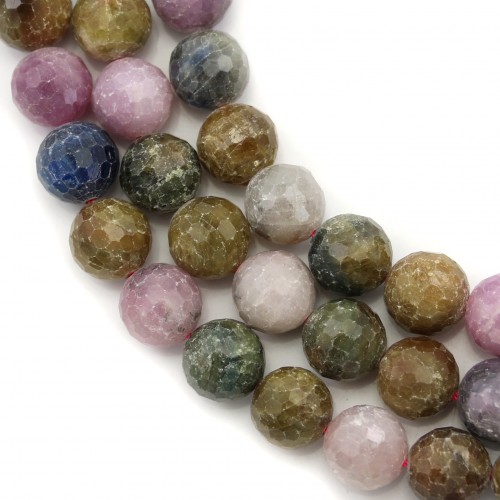
Round faceted multicolor sapphires bead strand 7-7.5mm x 40cm
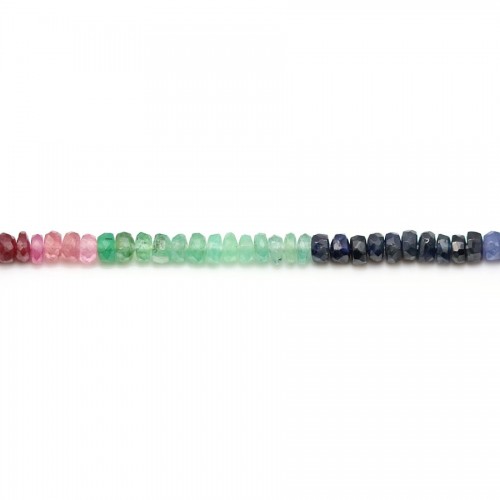
Ruby, sapphire, emerald roundel facet 1x3mm x 40cm
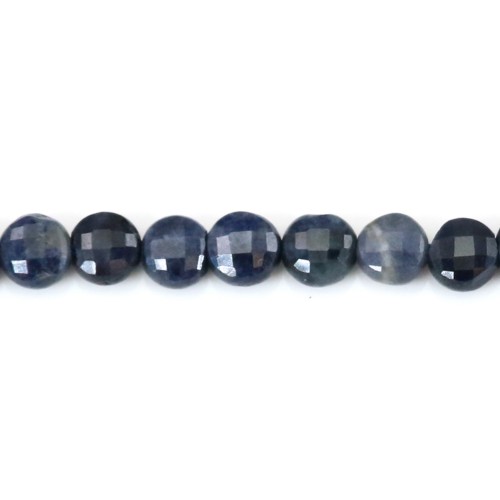
Sapphire, in round flat faceted shape, 4mm x 39cm
Faceted round sapphire 2mm x 39cm
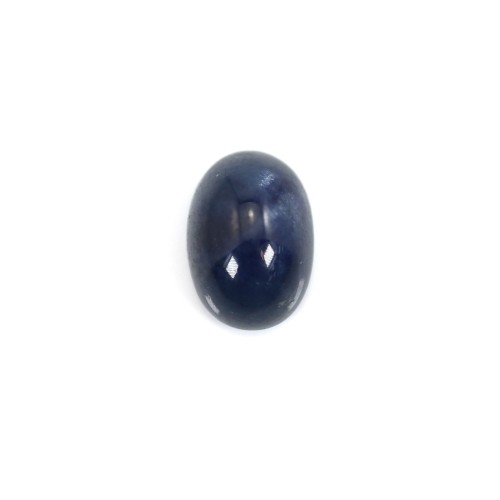
Oval Sapphire Cabochon 6x8mm x 1pc
Sapphire oval cabochon 5x7mm x 1pc
Leave a comment
Related posts
10 benefits you probably didn't know about black agate!
Agate: History, Origin, Composition, Virtues, Meaning and Recharging of the stone
Agate Botswana : History, Origin, Composition, Virtues, Meaning and Recharging of the stone
Green Agate: History, Origin, Composition, Virtues, Meaning and Recharging of the stone
Aquamarine: History, Origin, Composition, Virtues, Meaning and Recharging of the stone