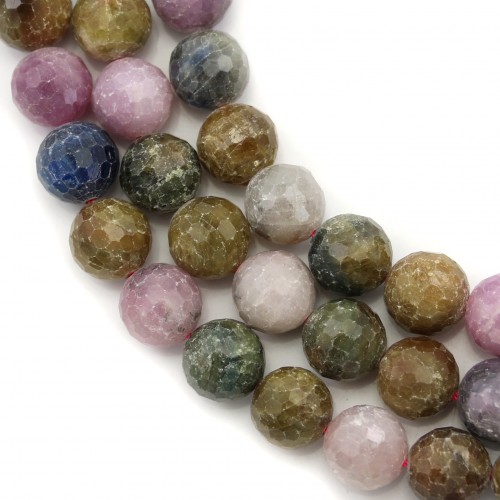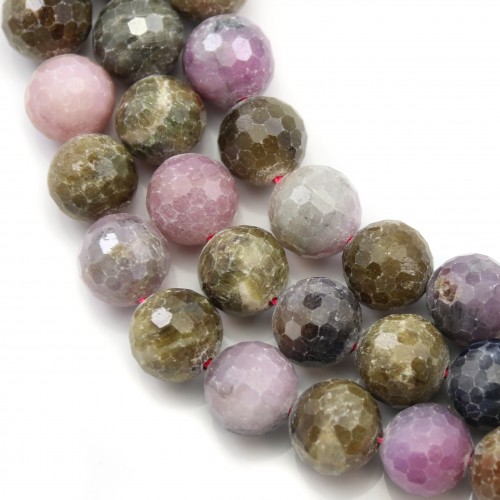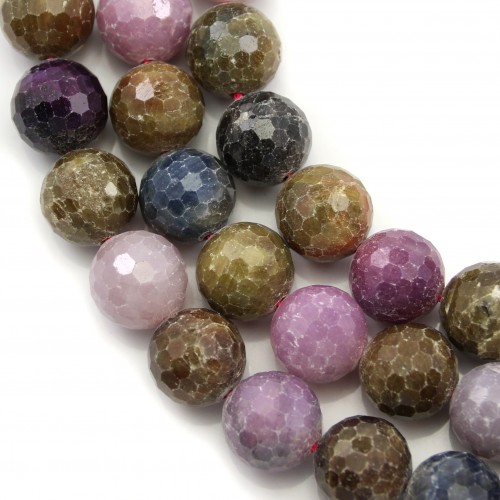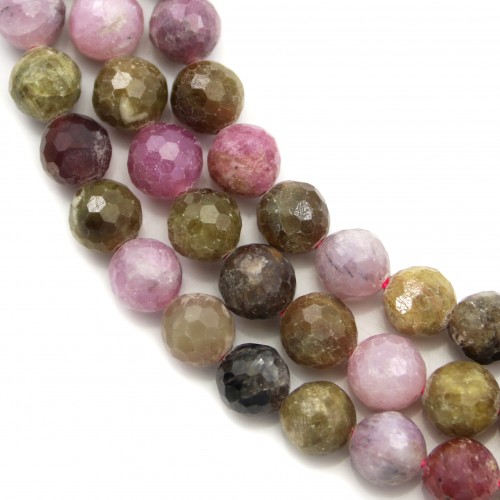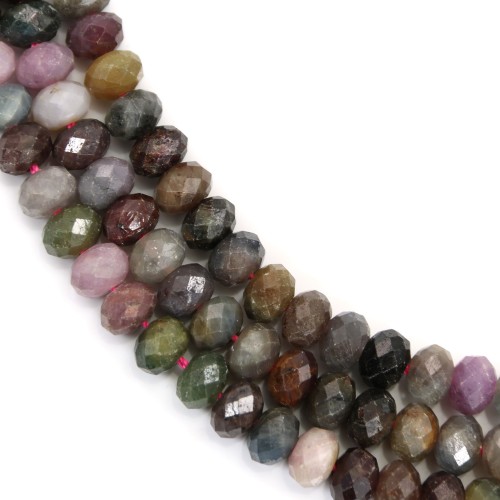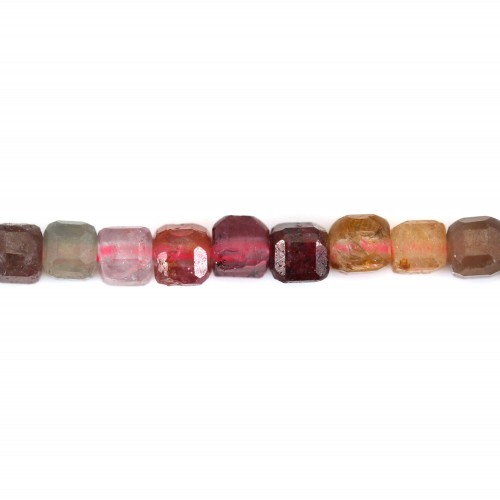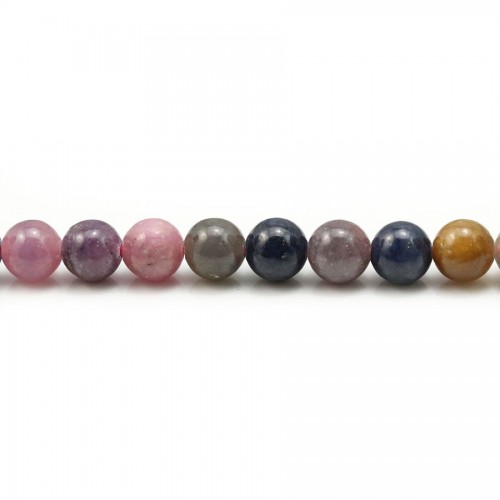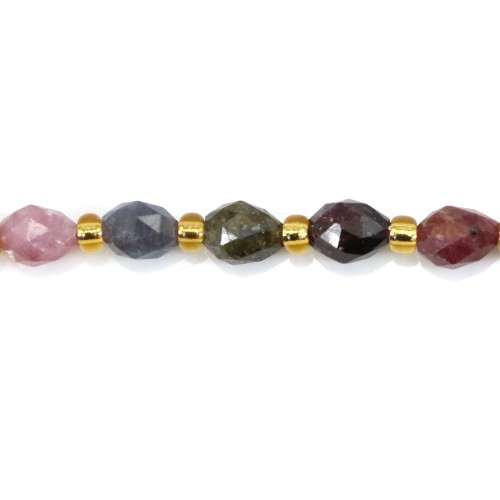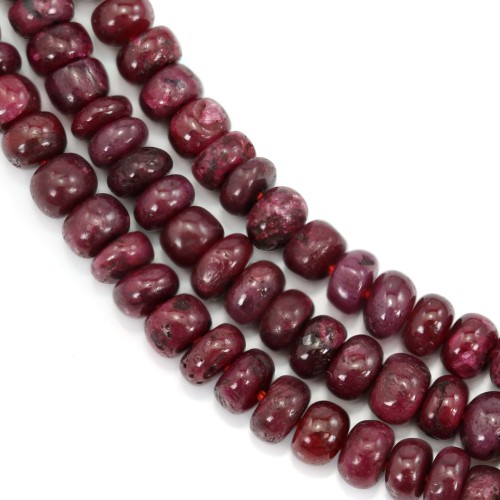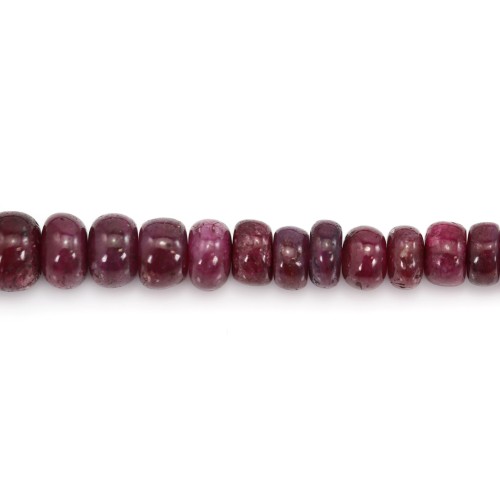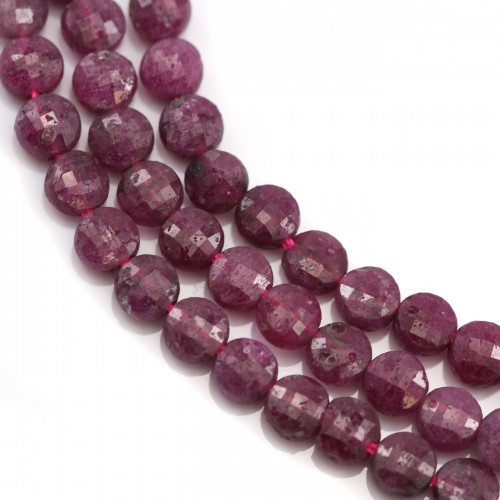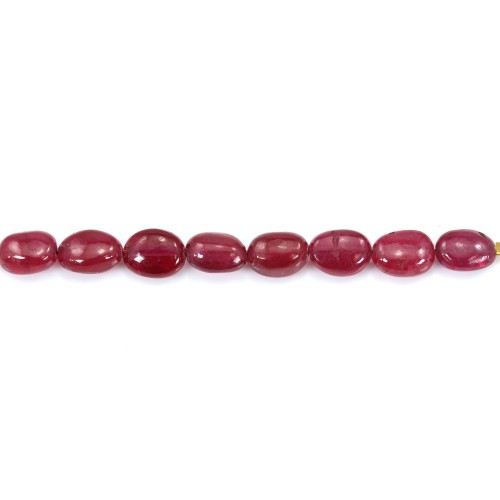
Dive into the fascinating world of Amber, a fossil resin with golden hues. Explore its age-old history, its...
Rubies: History, Origin, Composition, Virtues, Meaning and Reloading of the stone
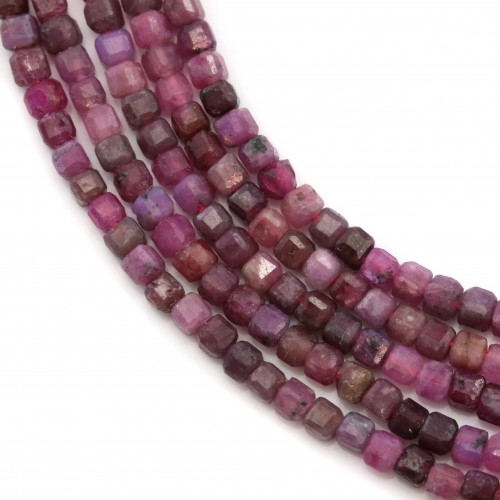
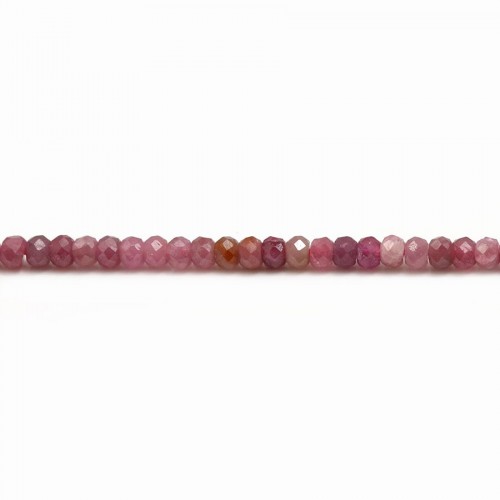
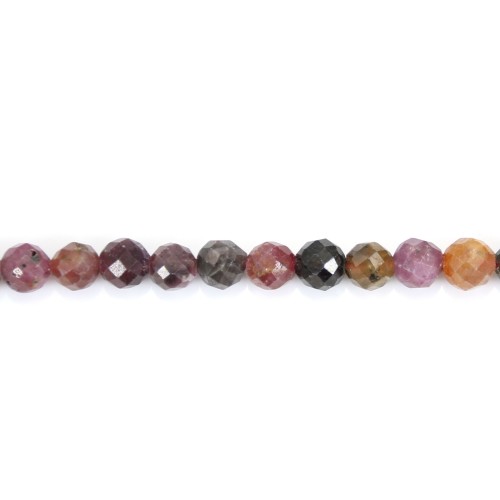
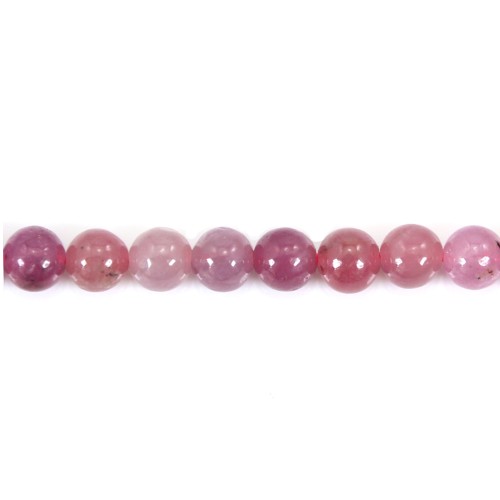
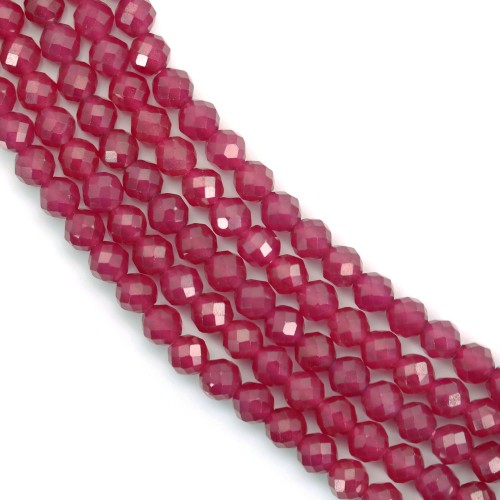
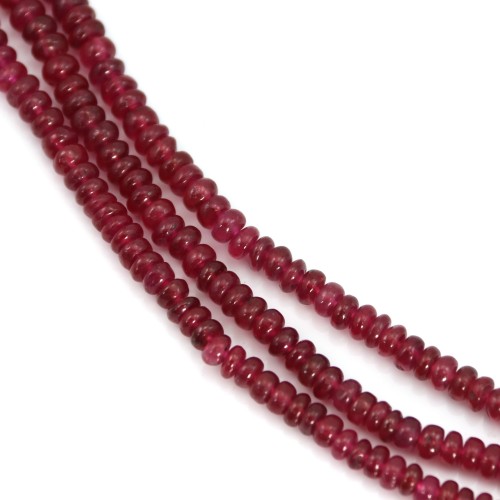
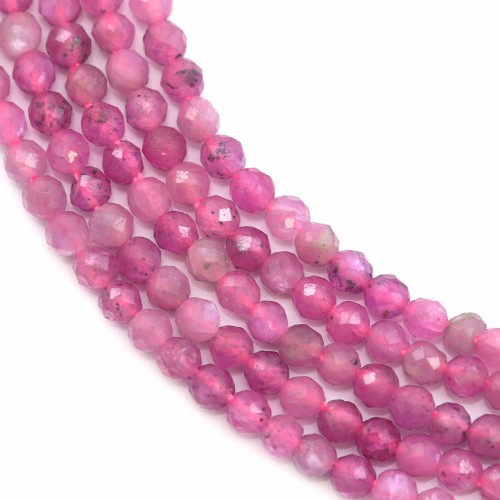
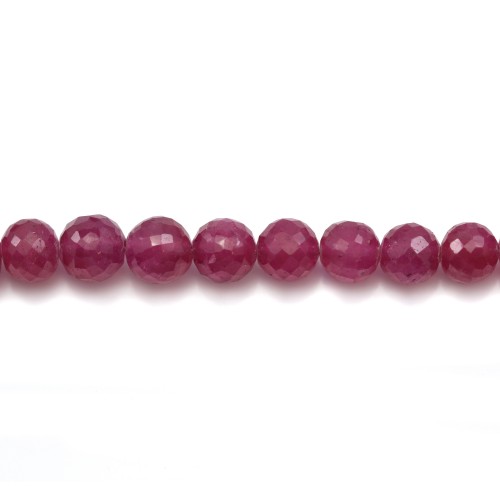
Ruby is a member of the Corundum family. Rubies belong to the category of gemstones, which includes Diamond, Sapphire as well as Emerald. This natural stone is classified as one of the most precious because of its rich and ancient history, its beauty in the world of jewelry and its virtues in the world of lithotherapy. It is one of the rare stones of serenity.
History of Ruby gemstone
The term Ruby comes from the Latin "rubeus", meaning "red".
Ruby stone has been discovered for a very long time and has a rich history. In ancient times, the Romans called ruby "carbuncolorum" to describe brilliant red stones, as it was difficult to differentiate between the different varieties. Some used Ruby as a protective stone against poison or as an aphrodisiac, amplifying passions and desires.
Ruby was first brought to Europe by the Etruscans and Greeks in 500 BC. The stone was soon associated with blood and fire, so to protect themselves from misfortune, they wore them to ward off injury and disease.
Among Burmese warriors, the stone had the ability to make a person invisible. However, it had to be placed under the skin, in contact with the blood, to bring courage. Chinese peoples used rubies to adorn their swords and protect themselves, but also as currency on the Silk Road.
The Greek philosopher Pliny the Elder described Ruby stone in 1 AD.
The name given to these scarlet stones in Antiquity became "carboncle" in the Middle Ages. Their virtues changed and became more beneficial to the body, for example, ruby was said to protect dreams and calm anger.
Over time, Ruby stone became associated with many religions and legends. The stone is mentioned several times in the Bible, in association with attributes such as beauty and wisdom. Ruby is a very important symbol in the Islamic religion, and is mentioned in the Koran as being closely linked to the creation of man. It has also been associated with various legends, linked to dragons and chimeras. In India, a legend has it that rubies enable their owners to live in peace with their enemies.
Ancient Hindus believed that those who offered beautiful Rubies to the god Krishna were reborn as emperors. Moreover, Hindus divided Ruby stone into four castes, calling the true Oriental ruby a Brahman, whoever possessed the Brahman had the advantage of perfect security.
From ancient Sanskrit, Ruby is called "ratnaraj", meaning "king of precious stones". Ruby became the most sought-after king's stone among European royalty and the upper classes. Numerous royal accessories were adorned with rubies, including the Heart of France, the royal crown of the Capetians, the Crown of England and the Crown of St. Wenceslas.
Over time, around the 16th century, Ruby gradually gave way to diamonds. Nevertheless, Ruby remained a highly prized and sought-after gemstone.
Years later, advances in gemology made it possible to obtain further information on Ruby and to create synthetics. Even today, Ruby remains one of the most luxurious and sought-after gemstones in the jewelry world.

Composition and origin of Ruby
Ruby belongs to the Corundum family. It is mainly composed of aluminum oxide with the chemical formula Al2O3. Ruby stone has a density of around 4.
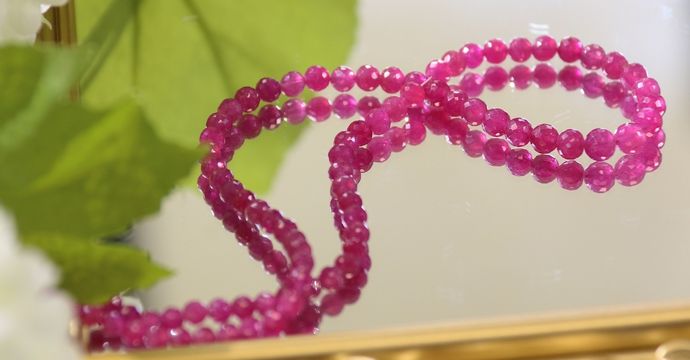
Ruby stone forms in aluminosilicate-rich magmatic or metamorphic rocks. It is formed when temperature and pressure allow chromium to enter the corundum's crystalline structure. In its purest form, corundum is colorless. It is the inclusions in the mineral's crystalline structure that cause variations in color. Chromium is the trace element responsible for ruby's red color, which can vary from orange-red to purplish-red. The intensity of ruby red depends on the amount of chromium present - the more chromium, the more intense the red color. Chromium can also cause fluorescence, which adds to the intensity of the red color.
Generally speaking, colored corundum is referred to as Sapphire only corundum with a pink to bright red flesh color is called Ruby (which can also be called Red Sapphire).
The most beautiful rubies are those from Burma, the Himalayas and northern Vietnam, which generally form in marble. They are found in irregularly distributed layers in the surrounding marble. Rubies found in marble deposits often have a bright red lustre, thanks to their low iron content. Rubies found in marble also fluoresce red under ultraviolet light, even ultraviolet sunlight. Fluorescence can make a ruby's color even more intense and increase its value.
Rubies from basaltic rocks can have a higher iron content, which can make them darker and less intense in color. A higher iron content in a Ruby's chemical composition can also mask the red fluorescence, eliminating that extra red glow seen in Rubies set in marble.
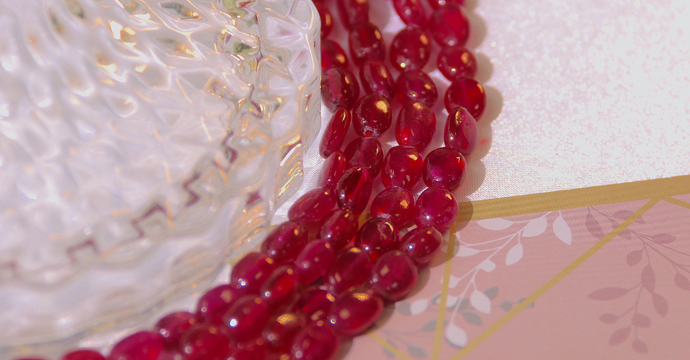
Rubies are the "pigeon's blood", with their remarkable red color and transparency, and a hint of blue.
Origin of Ruby
The main deposits of Ruby are found in Burma, Tanzania, Thailand, Afghanistan, Sri Lanka and Vietnam.
Ruby has a hardness of 9 on the Mohs scale.

Virtues and meaning of ruby in lithotherapy
In lithotherapy Ruby is a stone of serenity.
Ruby in lithotherapy
In lithotherapy, on the physical level Ruby is said to strengthen the cardiovascular system, strengthen the heart and help regulate cholesterol. The stone is said to promote dreaming and sleep, wound healing, longevity and eyesight, while enhancing vitality. In addition, the natural ruby stone reduces and relieves muscular aches and pains such as menstruation, and stimulates healthy kidney function. Finally, Ruby is said to enhance amorous passion.
On an emotional level Ruby promotes positive emotions, prosperity and creativity. Ruby enhances self-confidence, courage, joie de vivre and perseverance, while regulating hyperactivity. In lithotherapy, it amplifies all passions without overpowering dark emotions such as jealousy and anger. Ruby also promotes wisdom, concentration and serenity, while helping to ward off nightmares.
Please note that lithotherapy is not a substitute for medical treatment or expertise.
Significance of Ruby stone
Ruby is a symbol of life and strength.
Ruby stone is associated with the heart chakra, bringing benevolence and love. In addition, this chakra promotes empathy, open-mindedness and friendly, loving relationships. Ruby is also linked to the sacral chakra, which stimulates creativity, sex life and joie de vivre.
The astrological sign of Capricorn has a close connection with Ruby, which is also the birthstone for July. It's also the ideal stone for those wishing to celebrate their 15th or 40th wedding anniversary.
Ruby stone care, purification and recharging
To care for your Ruby stones stones, we suggest a few methods:
Cleaning and purifying
It's important to clean and purify your Ruby so that it retains its natural brilliance:
- Rinse the stone in salted distilled water for a short time before using a soft cloth to gently dry the stone,
- Purify the stone using fumigation, by placing Ruby in the smoke of purifying herbs for a few minutes.
Recharging
Don't forget to reload the stone Ruby to take full advantage of its powers:
- Recharge the natural stone with sunlight for a few hours. It's advisable to recharge the stone often enough in the sun.
- Bury it in the ground for a full day to recharge, then rinse it to remove any remaining dirt,
- Place a cluster of quartz next to it to recharge.
Related products
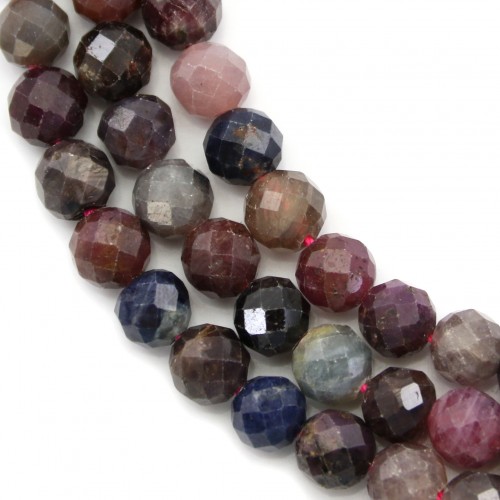
Round Faceted Rubies & Sapphires 6mm x 40cm
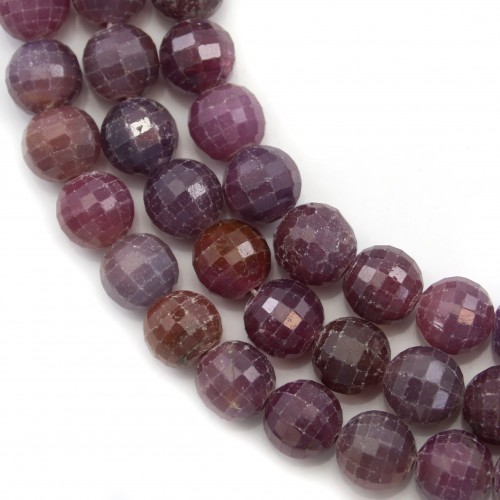
Ruby and sapphire, 10-10.5mm, faceted round beads x 38cm
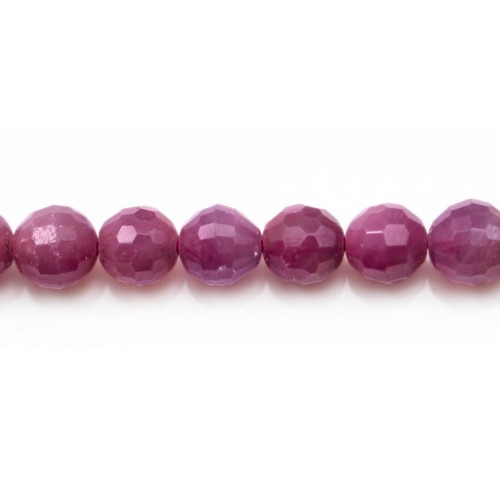
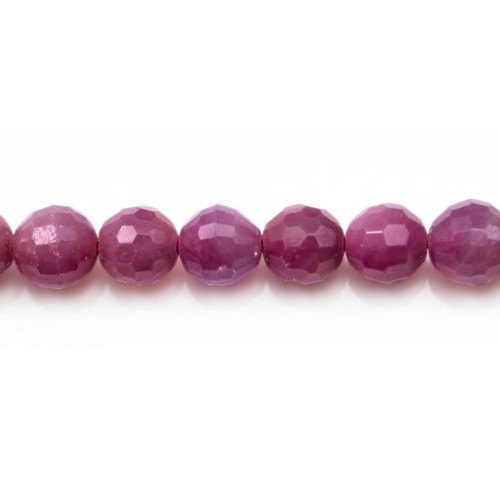
Ruby & sapphires, faceted round beads 12-12.5mm x 39cm
Ruby and sapphire, 13-13.5mm, faceted round beads x 39cm
Ruby & sapphires, faceted round beads, in size of 8-8.5mm, x 40 cm
Ruby and sapphire, faceted round shape, 3mm x 39cm
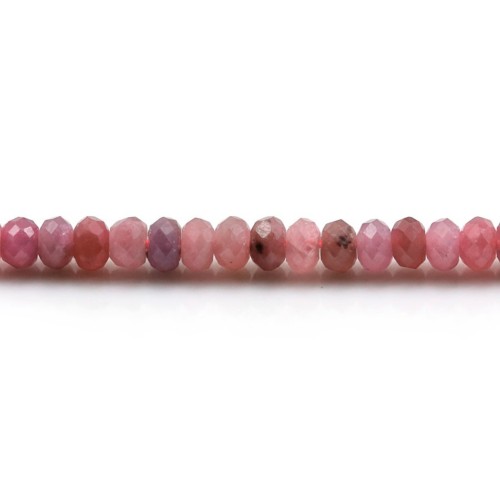
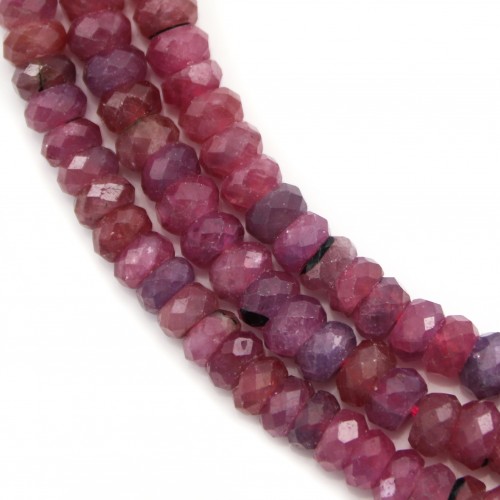
Ruby Sapphire Roundel Faceted 4x6mm x 40cm
Ruby Sapphire faceted cube 2mm x 39cm
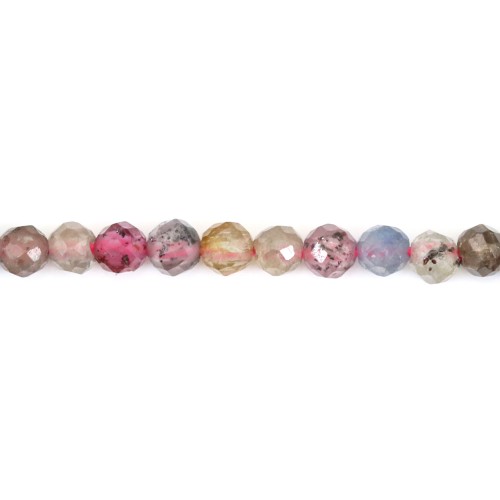
Round multicolored sapphire ruby 6mm x 39cm
Faceted olive-shaped Ruby Sapphire 5x6mm x 39cm (48 pieces)
Round faceted ruby sapphire 2mm x 39cm
Heated round faceted ruby 2mm x 39cm
Heated round faceted ruby 3mm x 39cm
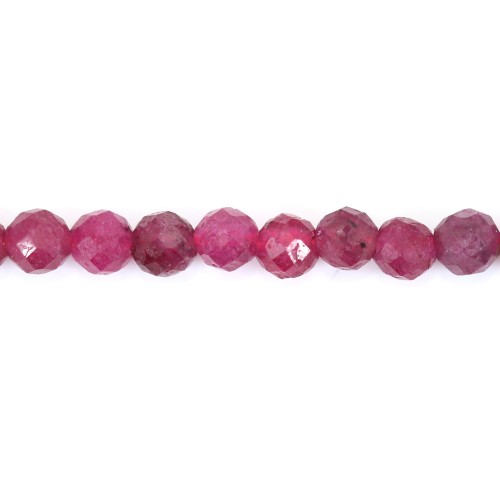
Heated round faceted ruby 5mm x 40cm
Faceted cube ruby 2.5mm x 39cm
Red ruby, faceted round shape, 2x3mm x 39cm
Round faceted ruby and sapphires 4.5mm x 40cm
Round ruby 4mm x 39cm
Round ruby heishi beads 4mm x 40cm
Round ruby heishi beads gradient 3-6mm x 42cm
Heated red ruby round flat faceted, 4mm x 39cm
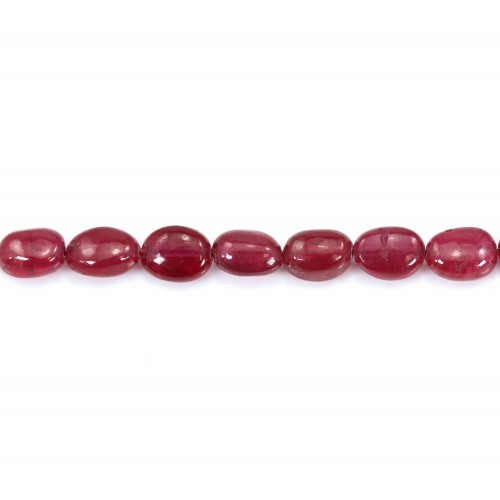
Oval baroque treated red ruby 5-6x7-8mm x 5cm (8pcs)
Red ruby treated oval baroque 5-7x7-9mm x 5cm (7pcs)
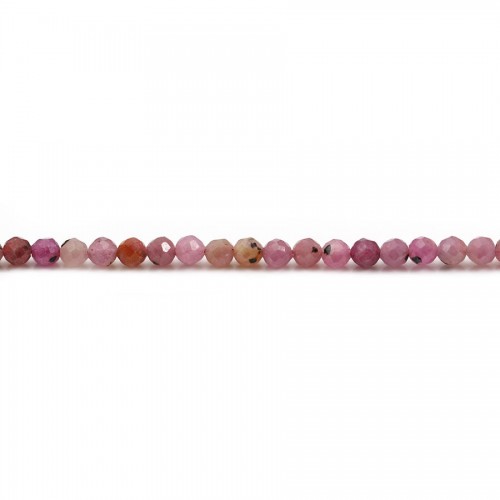
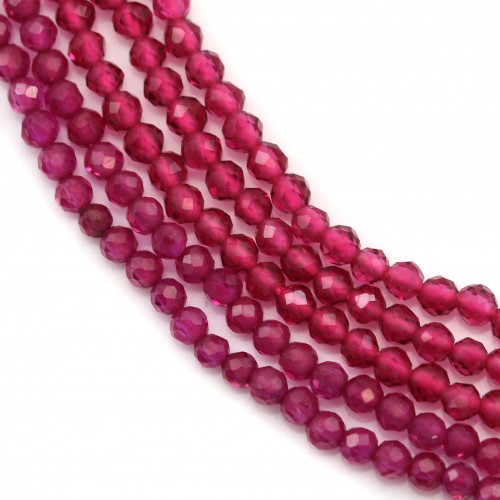
red ruby, in faceted round shape, 3mm x 40cm
Red ruby, in the shape of round faceted, 8mm x 40cm
Red ruby, round shape faceted 3.5x5mm x 39cm
Red ruby, in the shape of a faceted disc 3x4mm x 38cm
Round synthetic ruby facet 3mm x 40cm
Roundel treated Faceted gradient ruby 2x3-3x5mm
Ruby treated roundel gradient 2x3-3x5mm x 54cm
Ruby in faceted round shape, 2mm x 39cm
Oval Red ruby 4.5x6-7x9mm x 53cm x 53cm
Round Red ruby faceted 4-6mm x 40cm
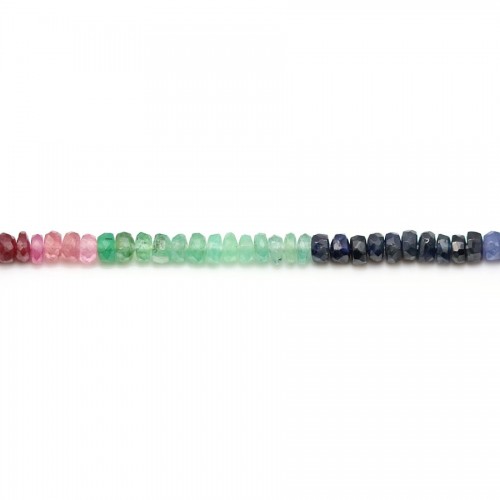
Ruby, sapphire, emerald roundel facet 1x3mm x 40cm
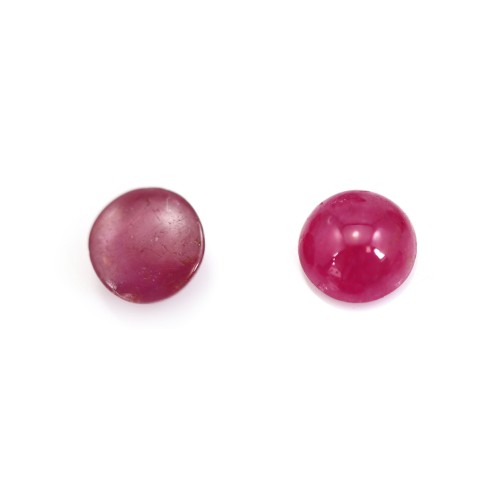
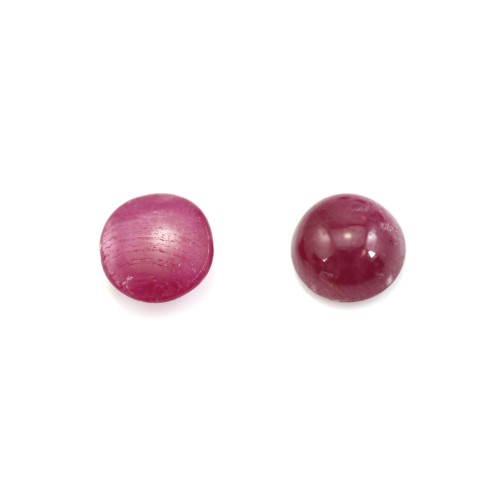
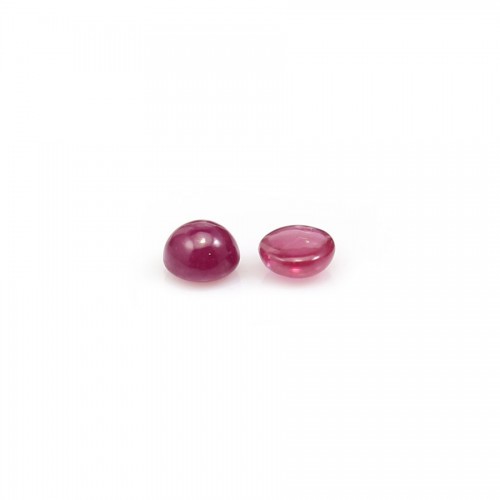
Round Ruby Cabochon 4-5mm x 1pc
Round Ruby Cabochon 5.5-6mm x 1pc
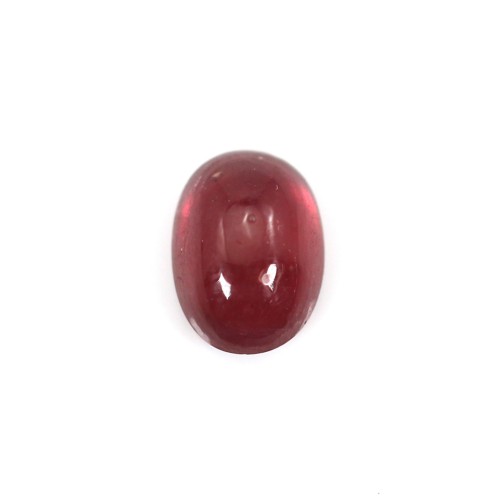
Ruby cabochon, oval 4x5mm x 1pc
Ruby cabochon "raspberry" round 2.5-4mm x 1pc
Leave a comment
Related posts
10 benefits you probably didn't know about black agate!
Agate: History, Origin, Composition, Virtues, Meaning and Recharging of the stone
Agate Botswana : History, Origin, Composition, Virtues, Meaning and Recharging of the stone
Green Agate: History, Origin, Composition, Virtues, Meaning and Recharging of the stone
Aquamarine: History, Origin, Composition, Virtues, Meaning and Recharging of the stone