

Dive into the fascinating world of Amber, a fossil resin with golden hues. Explore its age-old history, its...
Search in blog
Blog categories
Latest posts
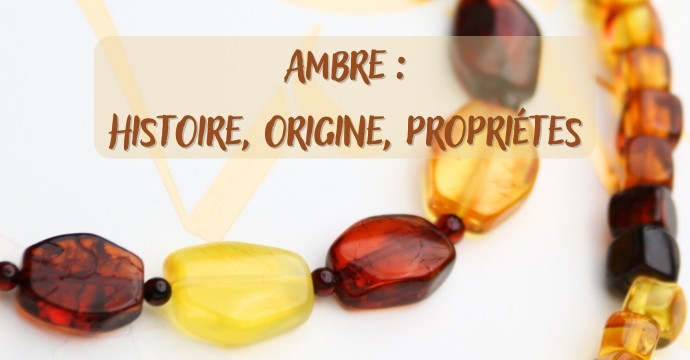
Amber: History, Composition, and Benefits
Read more

Natural Stones for the Aquarius Sign
Read more
Aquarius, an Air sign governed by Uranus, embodies independence, innovation, and altruism. The stones associated with...
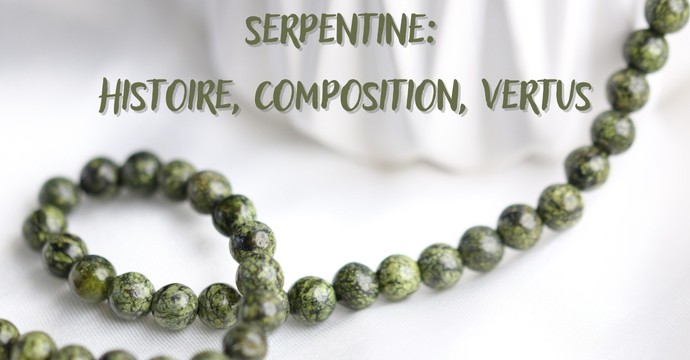
Serpentine : History, Composition and Virtues
Read more
Serpentine is a natural stone which colors range from light to deep green, sometimes shaded with yellow or white. In...
Natural Gemstones for the Sign of Capricorn
Read more
Capricorn, an Earth sign ruled by Saturn, embodies discipline, ambition and resilience in the face of challenges. The...
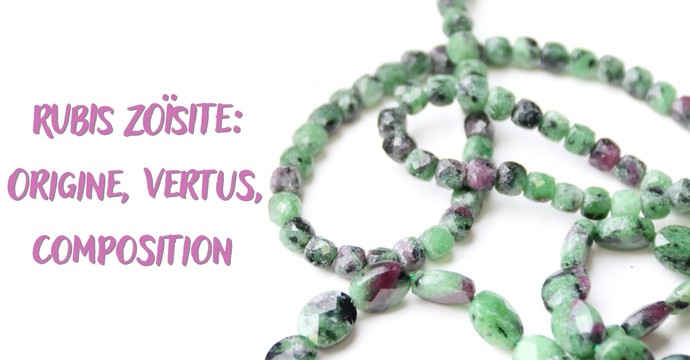
Ruby Zoisite: Origin, Composition, and Benefits
Read more
Ruby Zoisite is a stunning gemstone with emerald green hues punctuated by vibrant ruby red, admired for its unique...
Popular posts
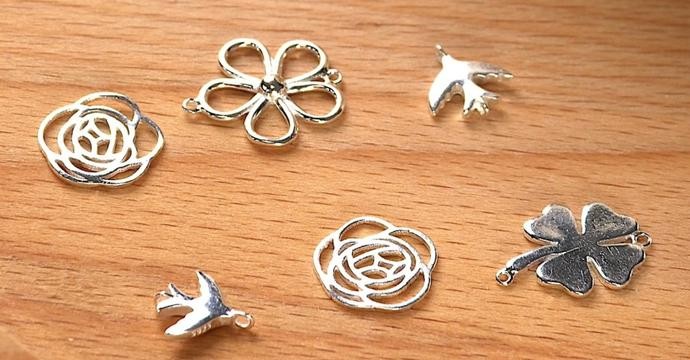
Understanding the difference between 925 Silver and Rhodium Silver
925 Silver, also called sterling silver, is composed of 92.5% pure silver and 7.5% other metals.
Rhodium Silver is925...
Read more
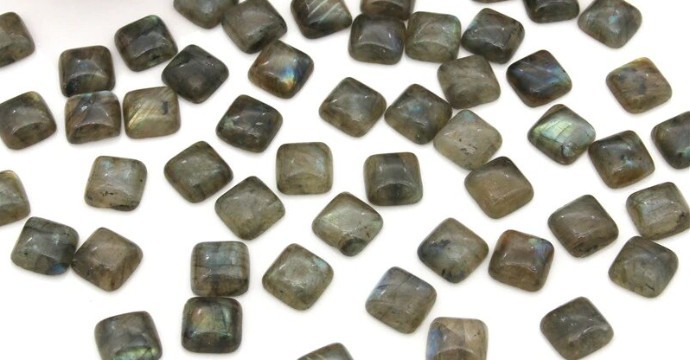
Labradorite : History, Origin, Composition, Virtues, Meaning and Purification of the stone
Labradorite is a natural stone from the Feldspar family. Labradorite is a particular stone, because its Schiller...
Read more
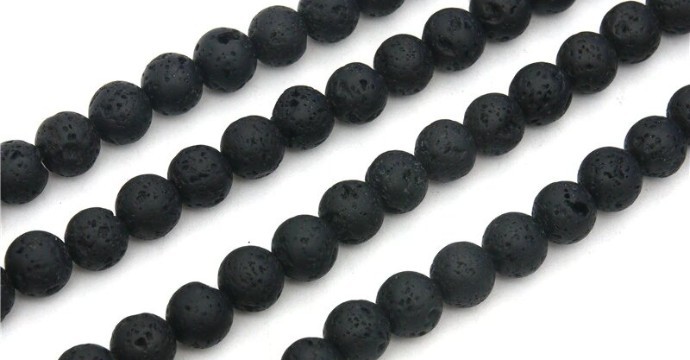
Lava stone: History, Origin, Composition, Virtues, Meaning and Recharging of the stone
Lava stone is a natural stone derived from the cooled lava of volcanoes, and is very common throughout the world....
Read more
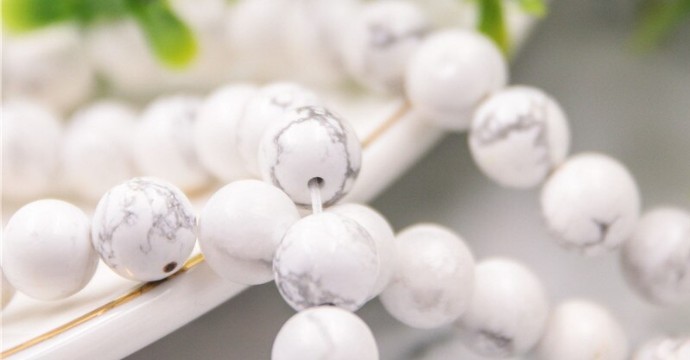
Howlite: History, Origin, Composition, Virtues, Meaning and Recharging of the stone
Howlite is a member of the Calcite family. This gray-veined white stone is the perfect alternative to expensive...
Read more
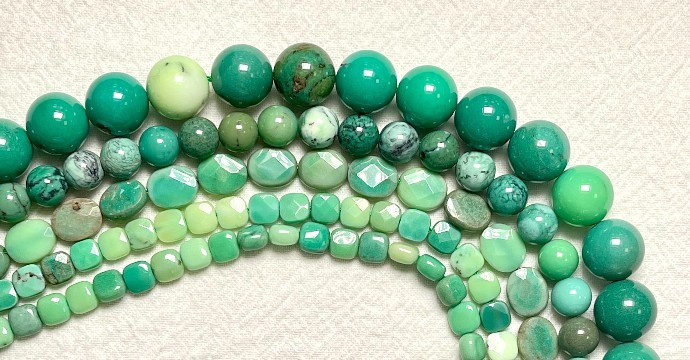
Green Agate: History, Origin, Composition, Virtues, Meaning and Recharging of the stone
Green Agate is a variety of Agate, itself a member of the large Chalcedony family. Green Agate covers a wide range of...
Read more
Featured posts
Amber: History, Composition, and Benefits
Dive into the fascinating world of Amber, a fossil resin with golden hues. Explore its age-old history, its...
Read more
Natural Stones for the Aquarius Sign
Aquarius, an Air sign governed by Uranus, embodies independence, innovation, and altruism. The stones associated with...
Read more
Serpentine : History, Composition and Virtues
Serpentine is a natural stone which colors range from light to deep green, sometimes shaded with yellow or white. In...
Read more
Natural Gemstones for the Sign of Capricorn
Capricorn, an Earth sign ruled by Saturn, embodies discipline, ambition and resilience in the face of challenges. The...
Read more
Ruby Zoisite: Origin, Composition, and Benefits
Ruby Zoisite is a stunning gemstone with emerald green hues punctuated by vibrant ruby red, admired for its unique...
Read more
Photo gallery
-
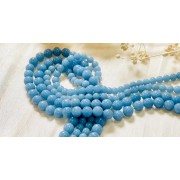
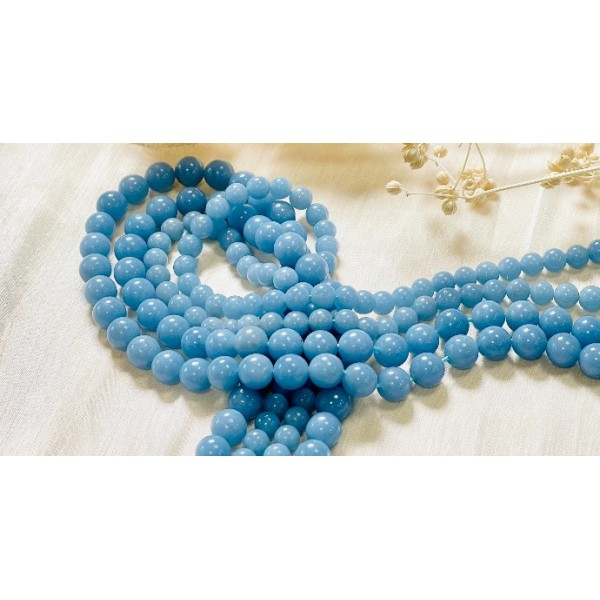
Angelite
-
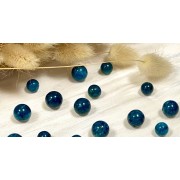
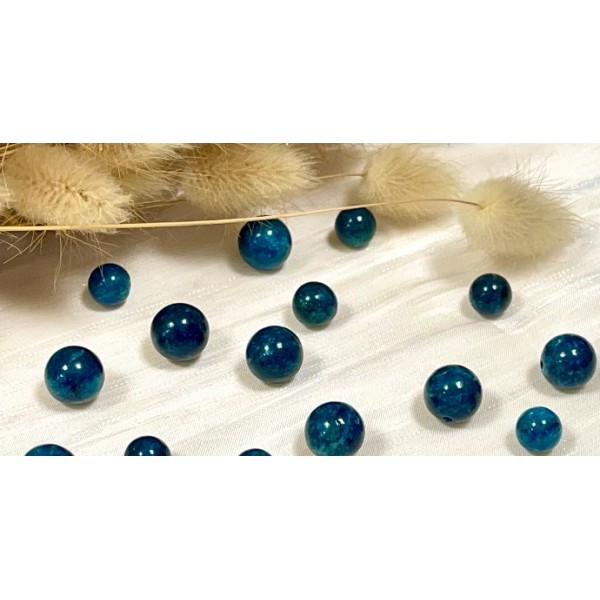
Apatite
-
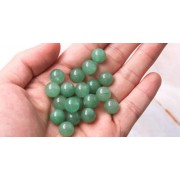
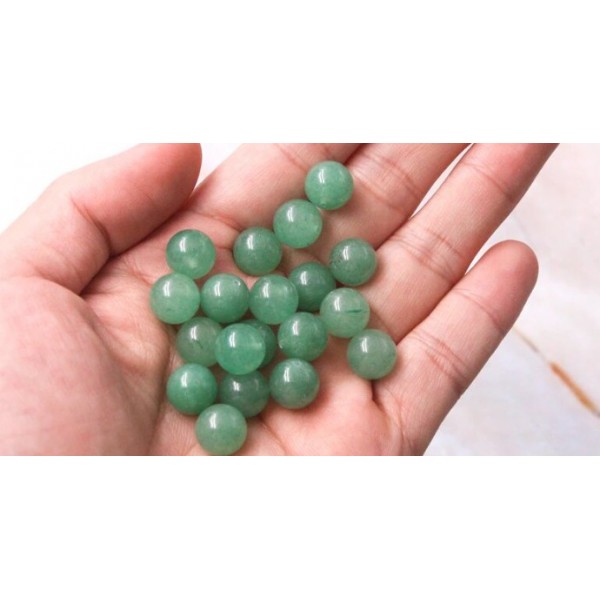
Aventurine
-
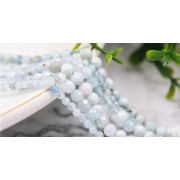
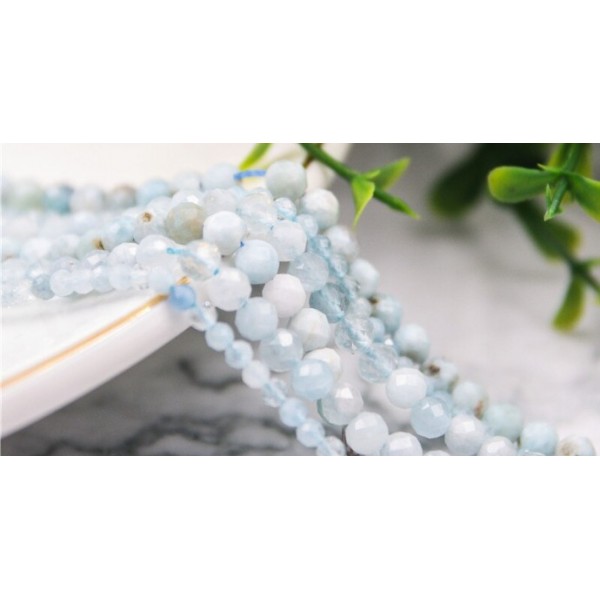
Aquamarine
-
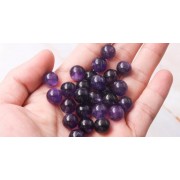
amethyst
-
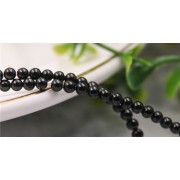
Black agate