Dive into the fascinating world of Amber, a fossil resin with golden hues. Explore its age-old history, its...
Emerald: History, Origin, Composition, Virtues, Meaning and Recharging of the stone
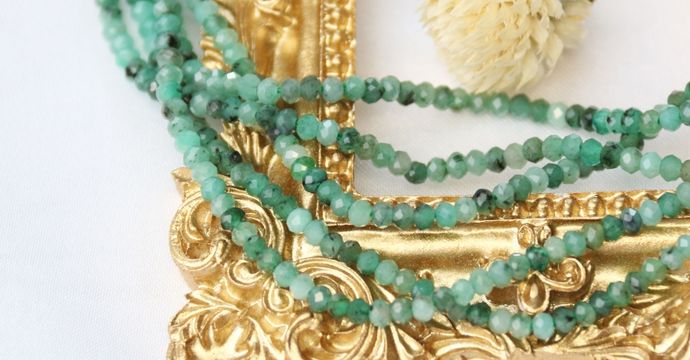
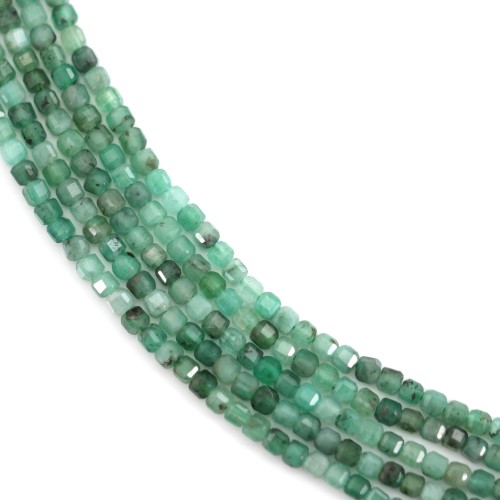
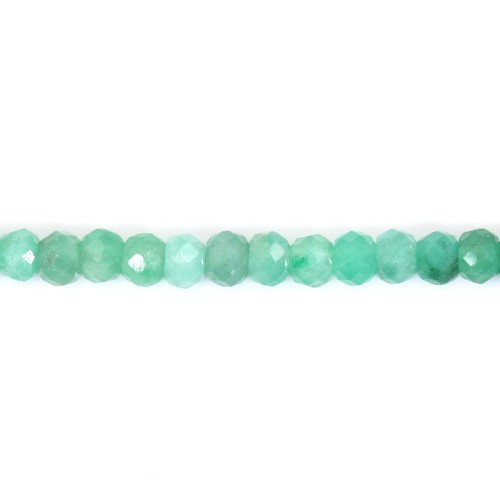
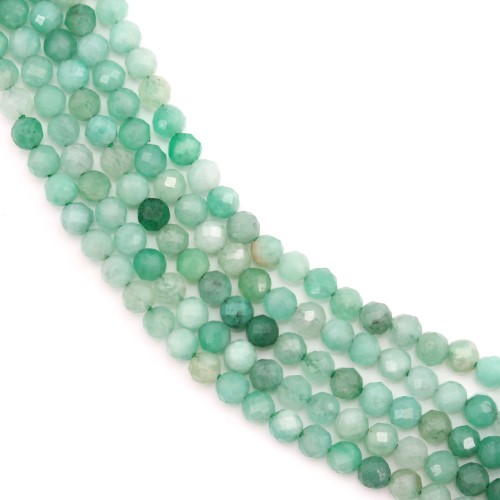
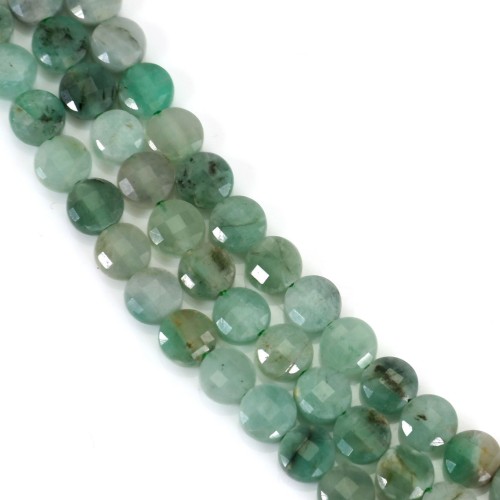
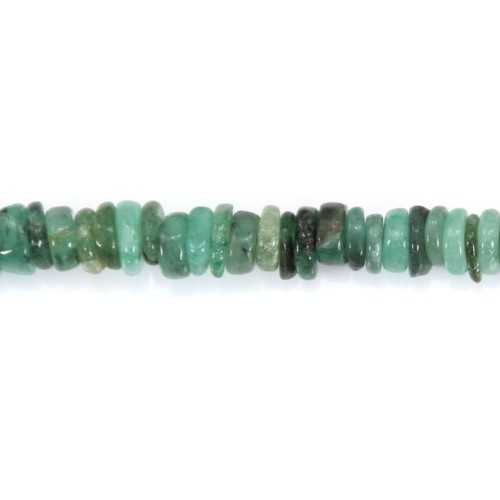
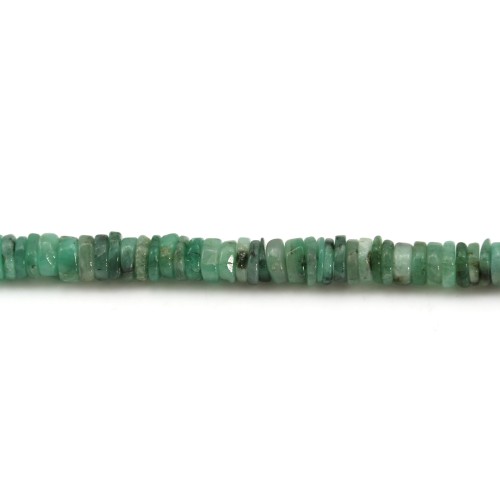
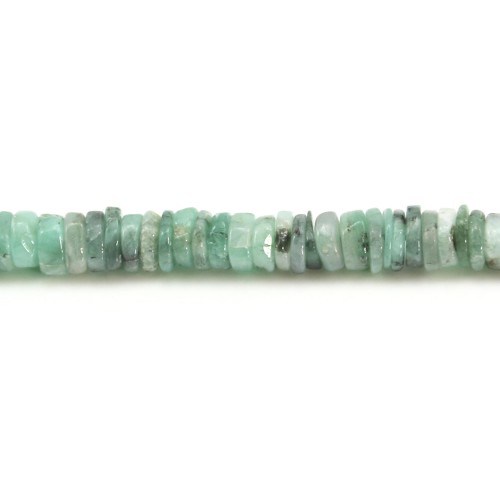
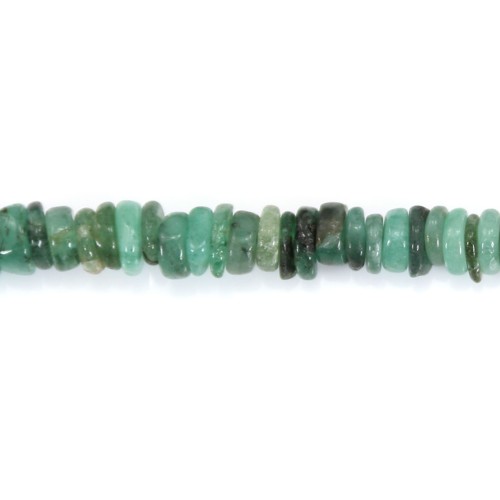
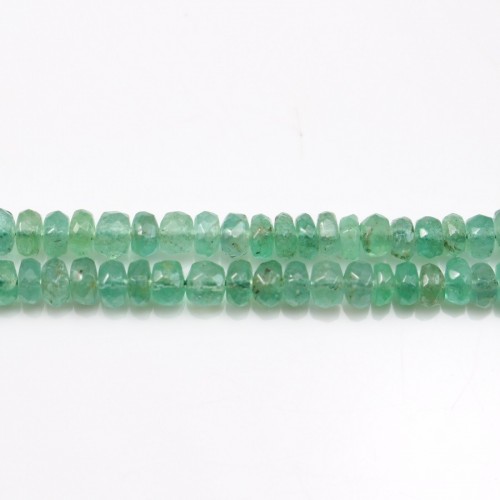
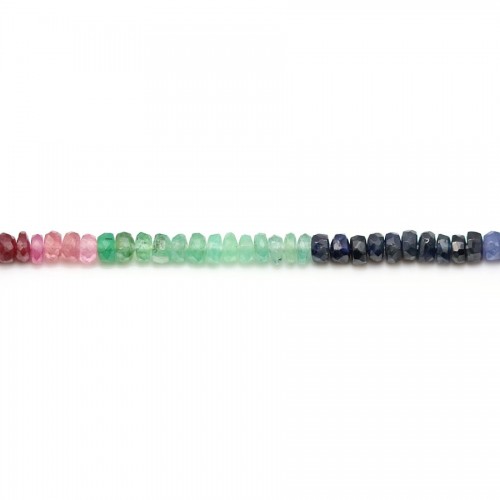
Emerald is a member of the Beryl family. Emerald is a member of the family of four gemstones: Diamond Sapphire and the Ruby. The most beautiful Emerald gemstones have a "garden". Today, the stone is highly prized and sought-after for jewelry-making, but also for its beneficial virtues in lithotherapy.
Emerald stone history
The word Emerald is rather difficult to determine. Some suggest that the etymology comes from the Sanskrit "açmagarbha" meaning "heart of stone". Others believe the word comes from the Persian "zamarat" meaning the same thing. Later, ancient Greek took reference from these terms, distorting it into "smaragdos". Finally, years later, the etymology evolved, with Latin "smaragdus" meaning "green" and French taking the Latin derivation "esmeraldus" to definitively name the Emerald stone.
Since ancient times, the green color of Emerald has intrigued people's imaginations and minds. Pliny the Elder described the Emerald stone in his Natural History as "nothing greener". He also described the use of Emerald by early lapidaries as a means of restoring their vision by looking at it.
Emerald mining began in Egypt over 5,000 years ago. Moreover, Cleopatra was known for her adoration of emeralds, with one of the most famous collections in her possession. She was also in possession of the Emerald mines of ancient Egypt for the production of jewels for the aristocracy. When Cleopatra died, the mines were taken over by the Romans.
The Babylonians used emeralds as currency.
Several legends are associated with the Emerald stone, one of which states that the Emerald was one of four precious stones given by God to King Solomon. These four stones are said to have given the king power over all creation. Another legend tells us that the Holy Grail was made of Emerald. Another legend attributes to the wearer the ability to foresee the future when the Emerald is placed under the tongue, as well as to reveal the truth and be protected from evil spells. Finally, wearing an Emerald was said to reveal the truth or falsity of a lover's oath, as well as making a person eloquent.
Emeralds were also believed to cure diseases such as cholera and malaria.
Emeralds were part of the booty when 16th-century Spanish explorers invaded the New World, what is now Colombia. The Incas were already encrusting their jewelry and religious ceremonies with emeralds. The value of emeralds was recognized by European and Asian royalty thanks to Spanish trade.
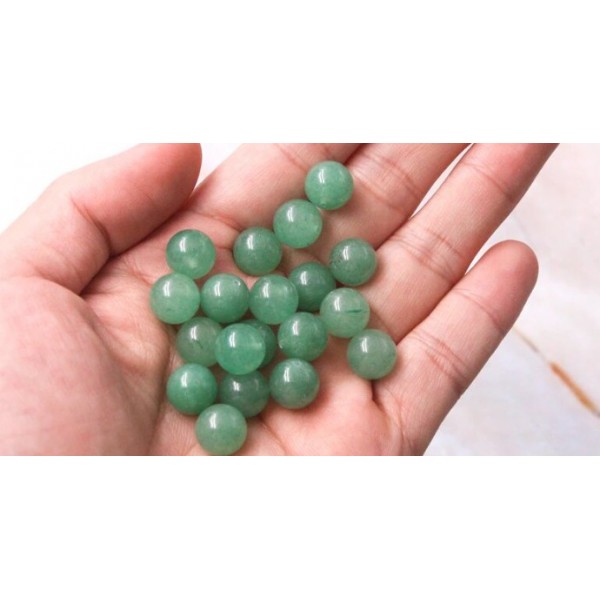
Although other green-colored stones such as Peridot, tsavorite, which is Green garnet, the Tourmaline or even Green Sapphire none compares to the lush green of Emerald.

Origin and composition of Emerald stone
Emerald belongs to the Beryl family, a subgroup of the larger Silicate family. It is composed mainly of aluminum beryllium silicate, with the chemical formula Be3Al2Si6O18. The stone has a density of around 2.72.
Emerald is formed under special geological conditions, initially requiring beryllium. This chemical element is quite rare, particularly in the earth's crust. Secondly, chromium and vanadium are essential for the formation of Emerald. These three elements are rare, as they don't lie side by side and have to meet under the earth's crust to form. Typically, these three chemical elements mix during geological events, such as the movement of tectonic plates. Once brought together, they are incorporated into beryl crystals and must be subjected to high pressure and temperature to form. Beryl is also hard to form, as it requires beryllium, aluminum, silicon and oxygen for its formation. Beryl can be found in metamorphic rocks or in cracks in granitic rock.
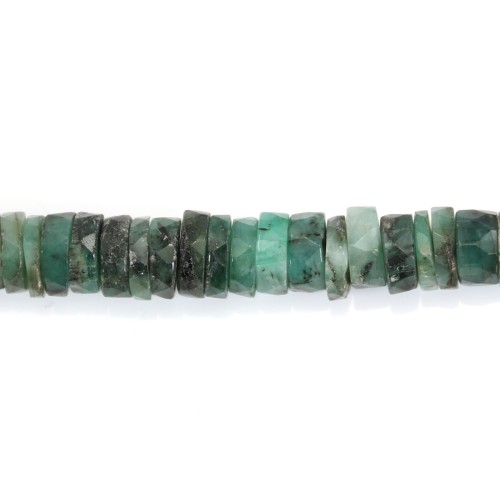
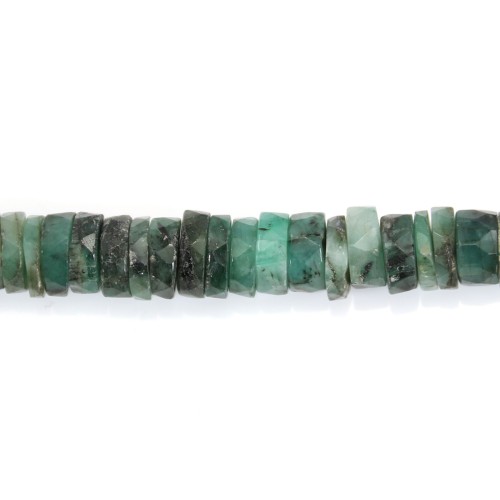
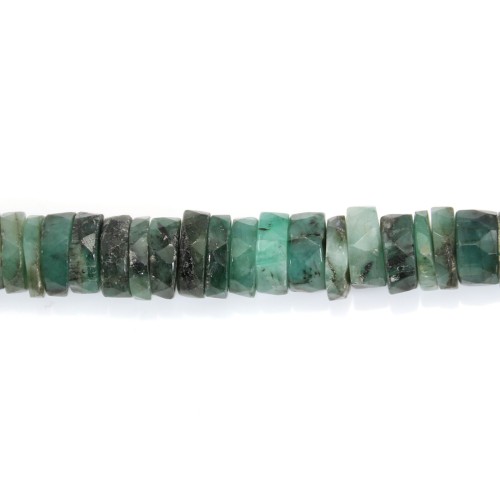
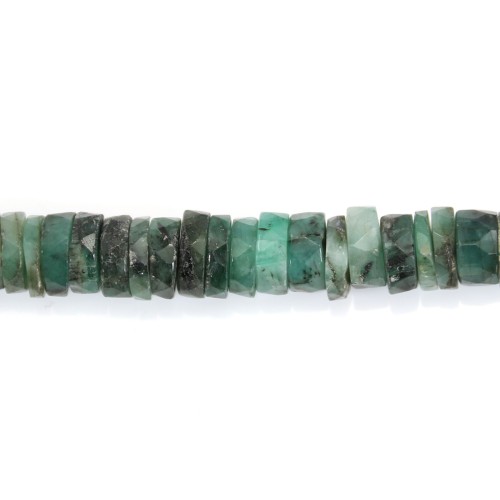
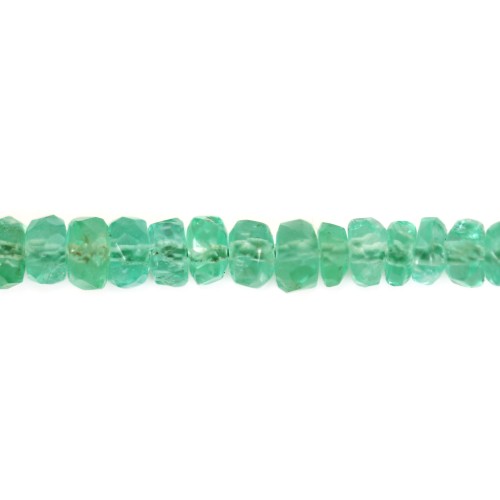
Emerald natural stone is green-tinged thanks to inclusions of vanadium and chromium. Intense green beryls are normally called "Emerald" by gemologists and laboratories. However, when the beryl has a green color that is "too light", the gem will not be considered an Emerald. Even within this group, there are different opinions on what is considered "too light". Most Emeralds on the market are treated to amplify their color and reduce the visibility of inclusions. These stones are generally treated with oil, resin or heat.
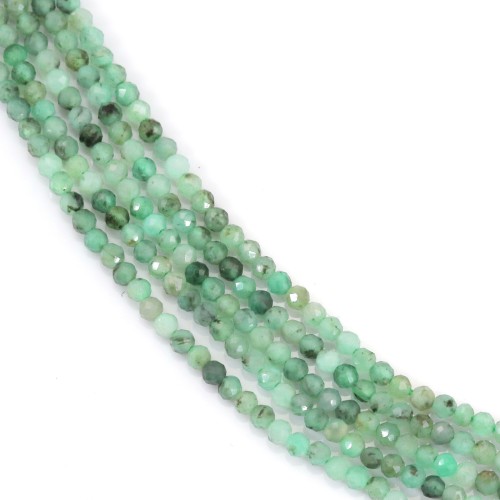
Some Emeralds have a "garden", which is a poetic description given to the natural inclusions found in gemstones. In the case of Emerald, the internal inclusions or fractures resemble branches or leaves and are generally appreciated as proof of the stone's authenticity.
Origin of Emerald stone
Emerald is found in Colombia, Madagascar, Australia, Russia, South Africa, Egypt, Zimbabwe, India and Brazil. Colombia remains the largest producer of Emerald.
Emerald hardness is between 7.5 and 8 on the Mohs scale.
Virtues and significance of Emerald in lithotherapy
In lithotherapy, Emerald is a stone of creativity.
Emerald in lithotherapy
In lithotherapy, on a physical level, Emerald is said to help relieve eye strain and cataracts, and is recommended for epilepsy sufferers. It is also said to strengthen the immune system, combating illnesses such as influenza, otitis and sinusitis, and to have positive effects on the cardiovascular and digestive systems. Emerald stone protects the spine and joints.
Psychologically speaking, Emerald is a stone of wisdom and patience. Emerald strengthens friendship and love relationships, encouraging loyalty and sincerity. It brings inner peace and repels negative energies. In lithotherapy, the natural Emerald stone promotes communication, benevolence and, above all, openness.
Please note that lithotherapy cannot replace medical treatment or expertise.
Significance of the Emerald stone
Emerald symbolizes hope, renewal and regeneration.
The Emerald stone is associated with the heart chakra, which promotes benevolence, friendship, love and empathy. In addition, this chakra reinforces positive emotions such as love and enhances open-mindedness. Emerald is also linked to the crown chakra, which enhances spiritual connection, faith and wisdom.
Emerald is sensitive to the astrological signs of Taurus, Virgo and Cancer. It is also the birthstone of the month of May. This stone is also perfect for celebrating 20 and 35 years of marriage.
Emerald stone care, purification and recharging
To care for your Emerald stones we suggest a few methods.
Cleaning and purifying
It's important to clean and purify your Emerald so that it retains its natural brilliance:
- Rinse the stone in unsalted distilled water for a short time before using a soft cloth to gently dry the stone,
- Purify the stone using fumigation, by placing it in the smoke of purifying herbs for a few minutes.
Recharging
Don't forget to reload your Emerald stone to take full advantage of its powers:
- Bury the stone in the ground for a full day to recharge it, then rinse it to remove any remaining dirt,
- Place a cluster of quartz next to it to recharge.