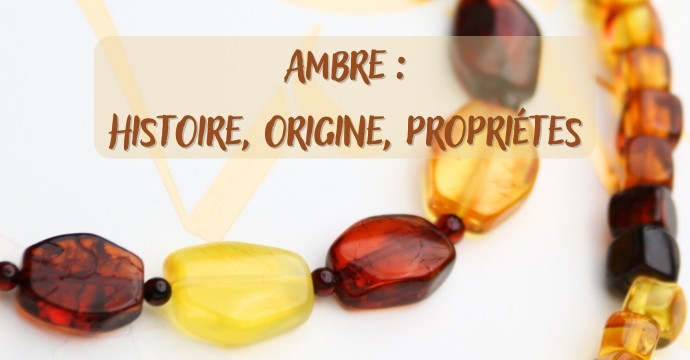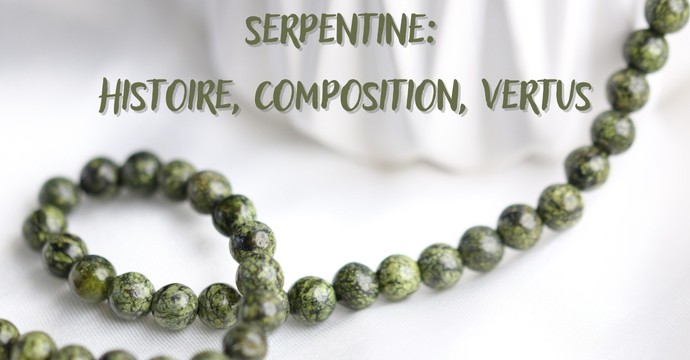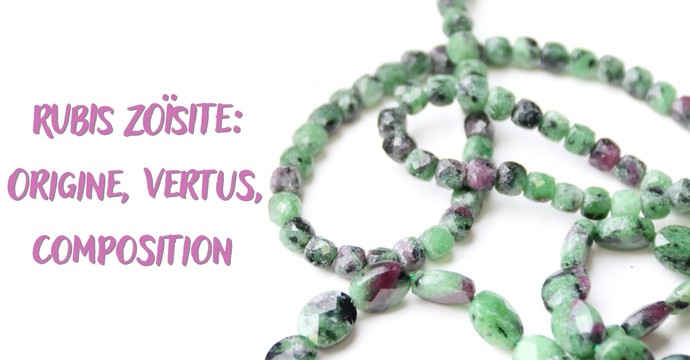
Dive into the fascinating world of Amber, a fossil resin with golden hues. Explore its age-old history, its...
Complete Guide to Jewelry Wire: Mastering the Art of Choosing the Right Wire for Your Jewelry Store
In the glittering world of jewelry making, choosing the right wire is not just a matter of functionality. It's a critical decision that influences the beauty, durability, and uniqueness of each creation. Whether you are a seasoned craftsman or a passionate beginner, understanding the subtleties of different types of wires can transform your jewelry creations from simple ornaments to true works of art. This article guides you through the intricacies of metal and textile wires, giving you the keys to choosing the perfect wire that will bring your creative visions to life.
I. Exploring wire types
Wires are the backbone of many jewelry projects, providing structure, color and texture. Depending on material, diameter, and flexibility, each wire type opens up a world of creative possibilities.
A. Metal wire
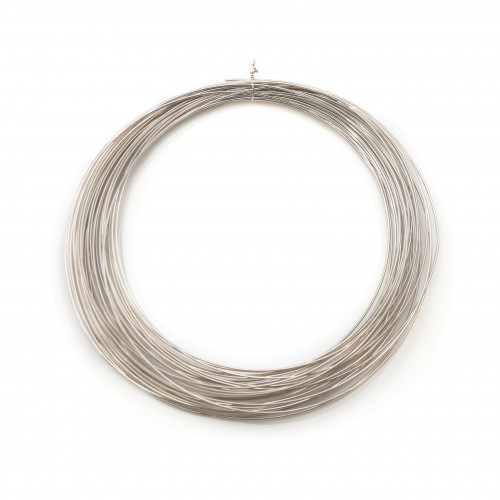
Metal wire is prized for its strength and brilliance. It's ideal for creating structures and shapes that hold their form.
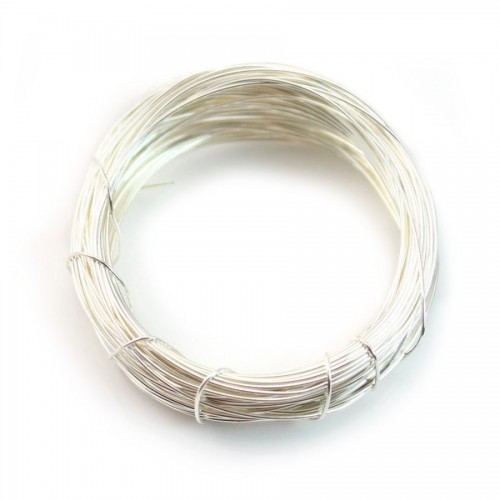
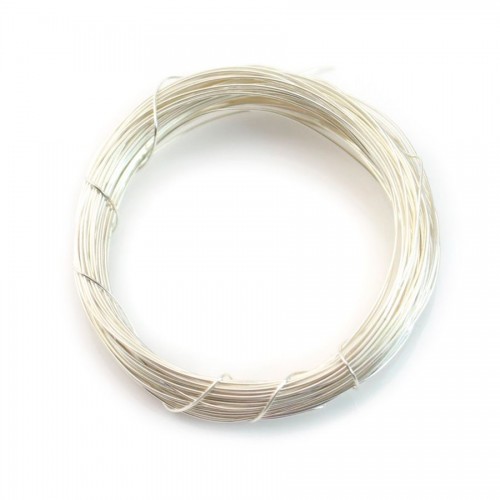
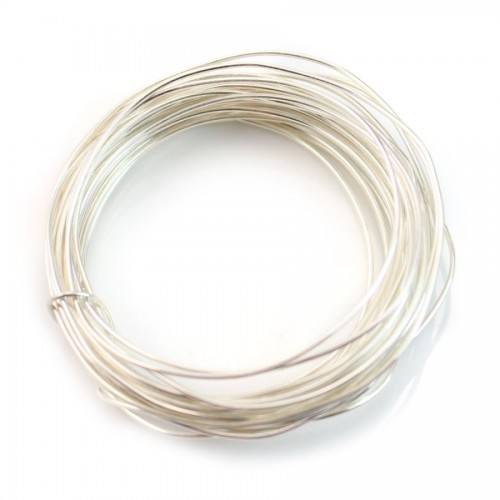
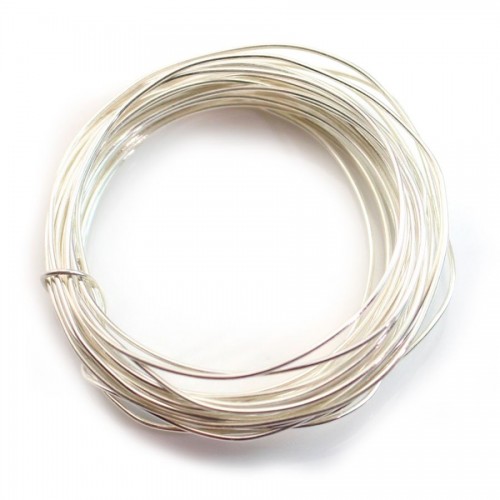
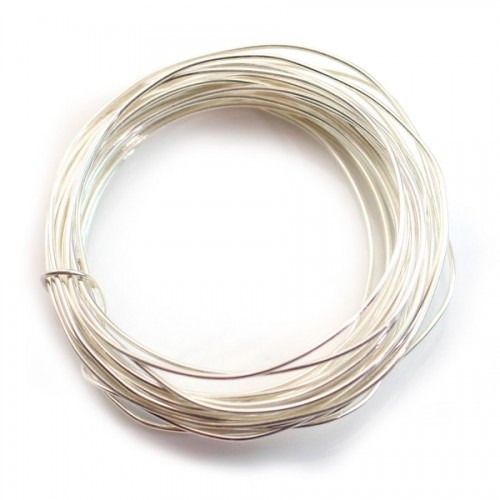
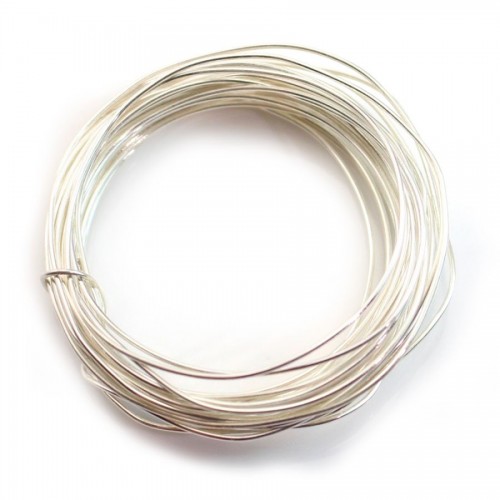
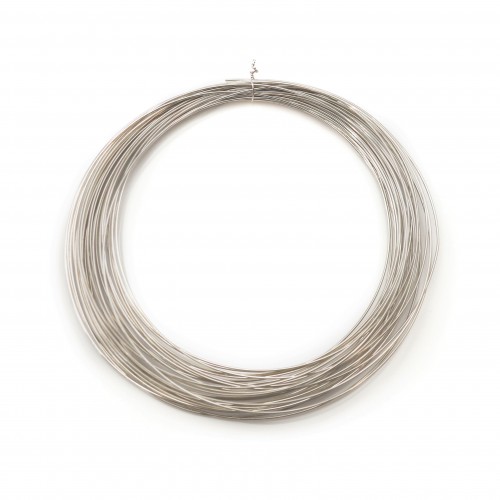
1. Sterling silver/ 925 silver
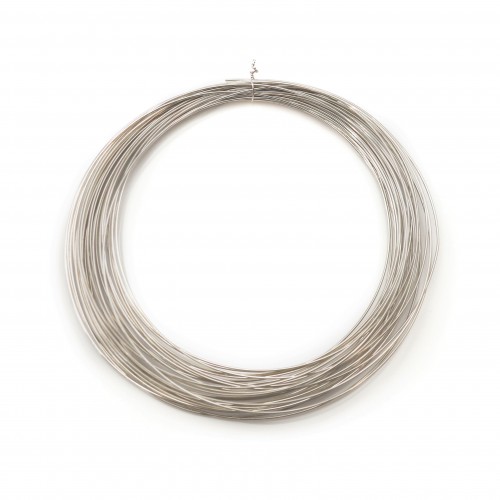
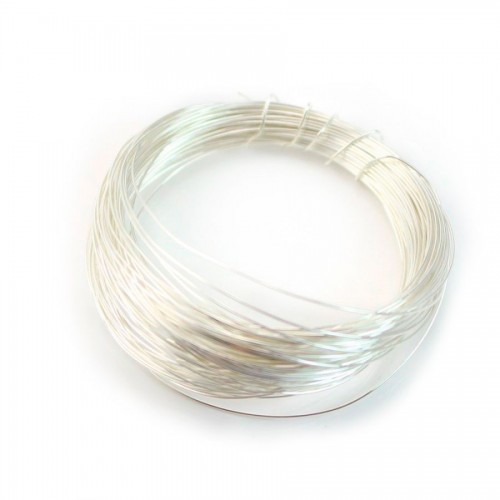
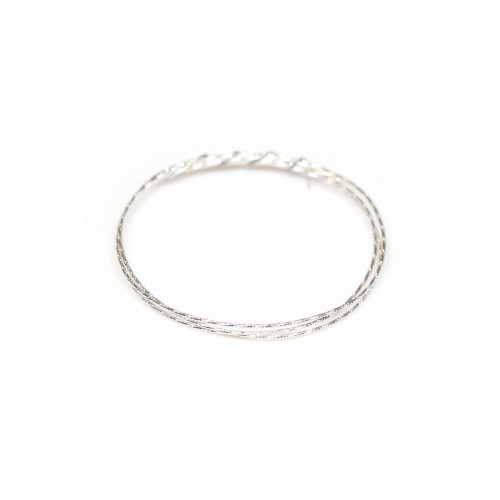
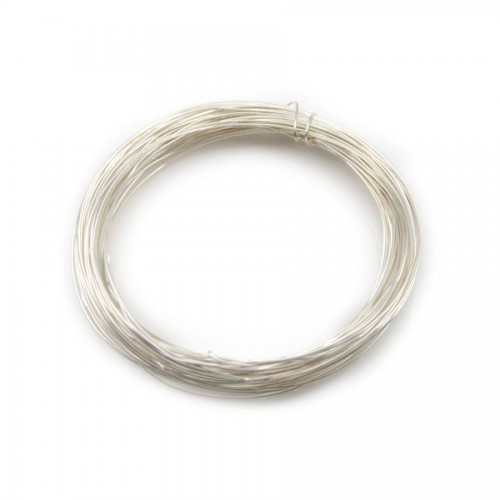
Known for its brilliance and durability, silver 925 is often used for high-quality jewelry. It is malleable, allowing for a wide variety of twists and bends, while being sturdy enough to maintain its shape.
2. Gold Filled
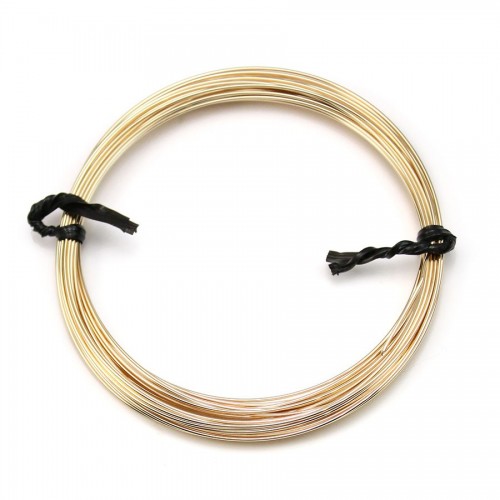
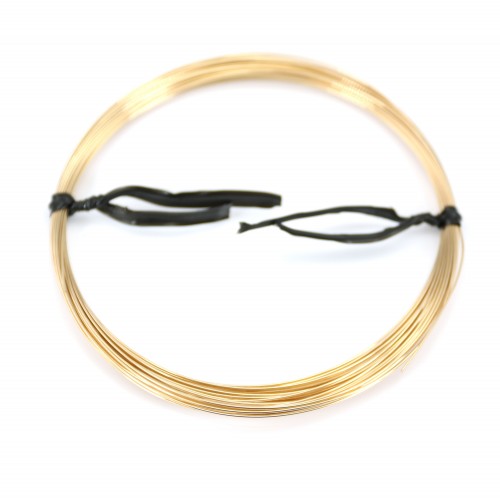
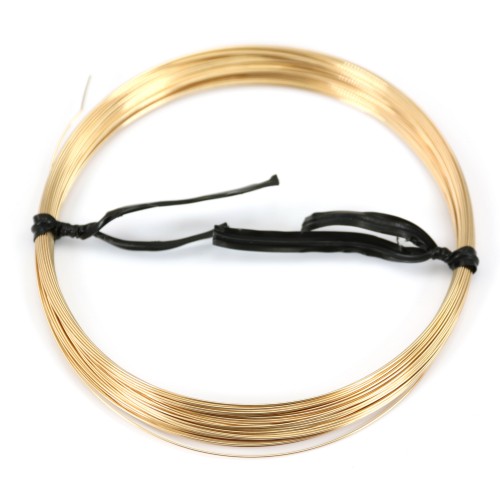
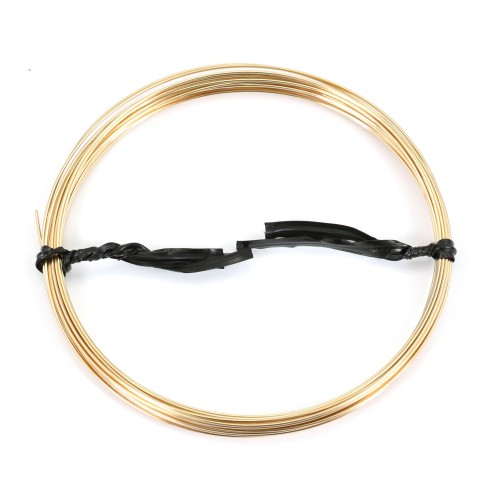
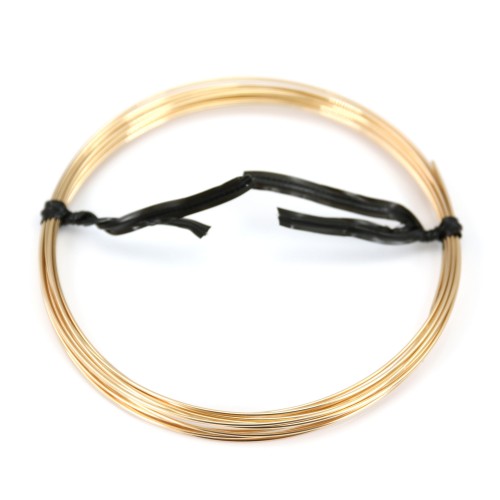
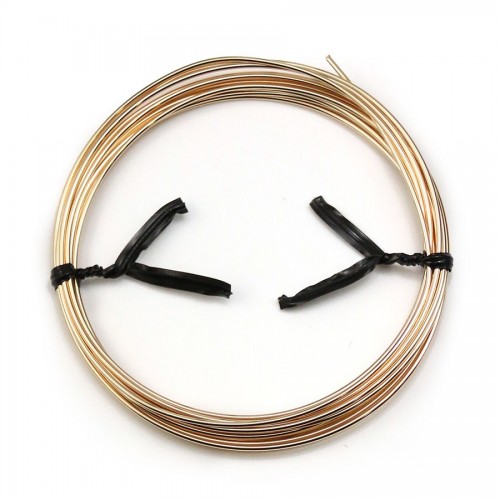
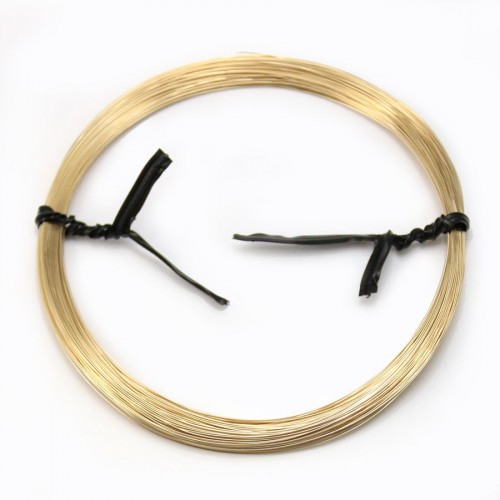
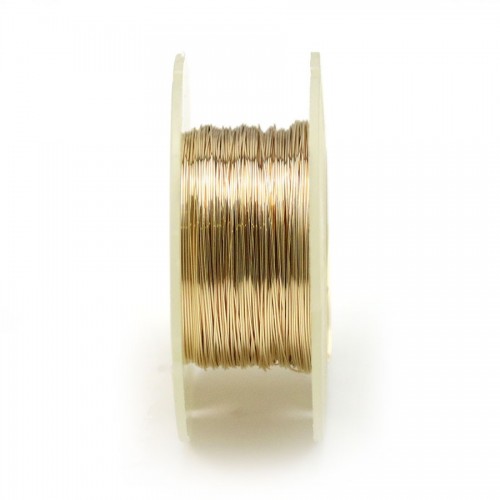
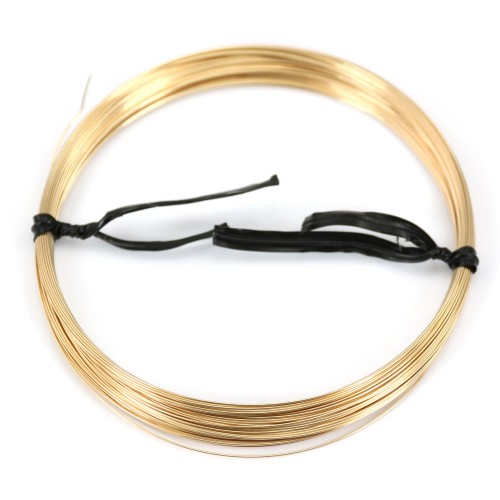
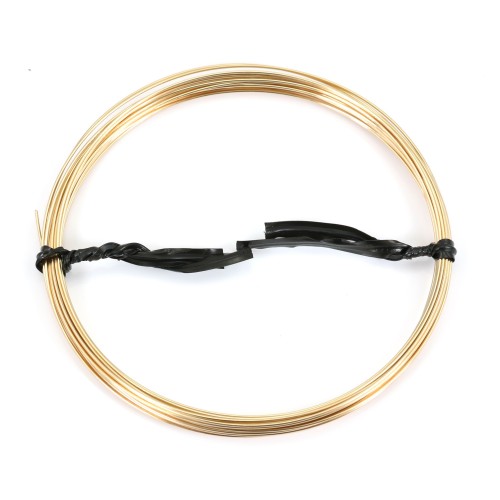
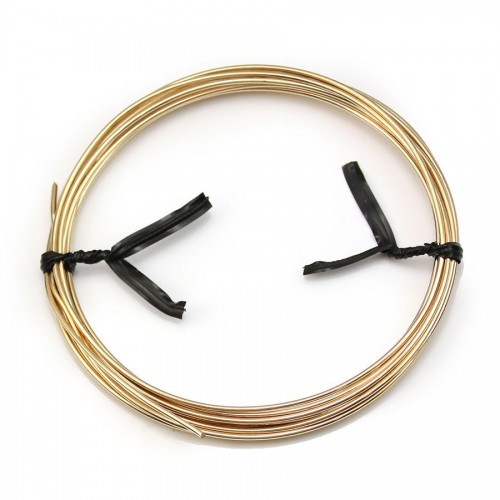
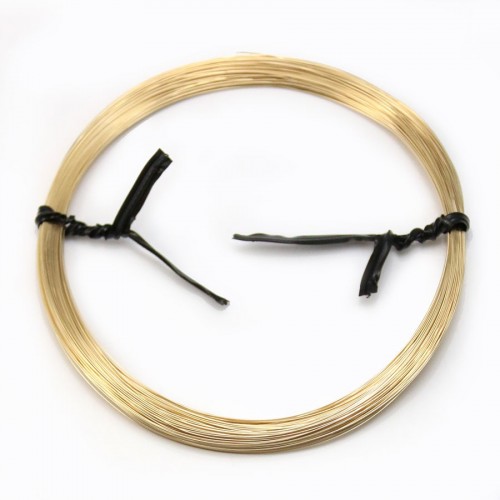
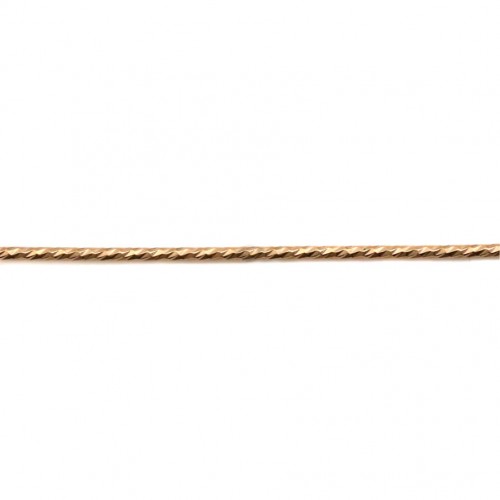
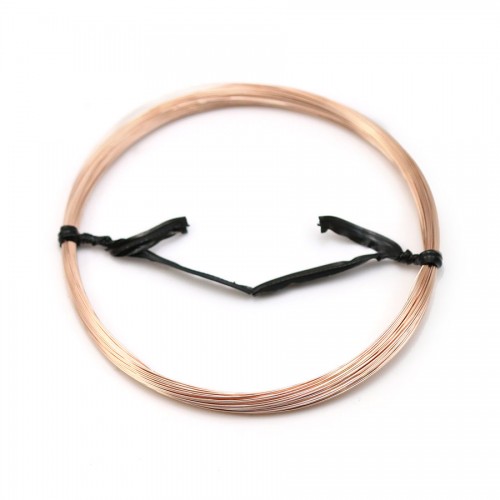
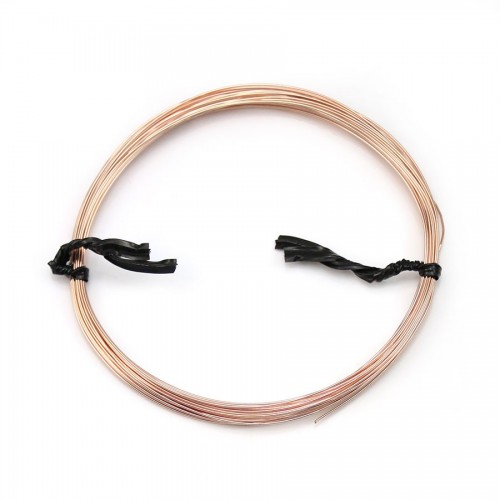
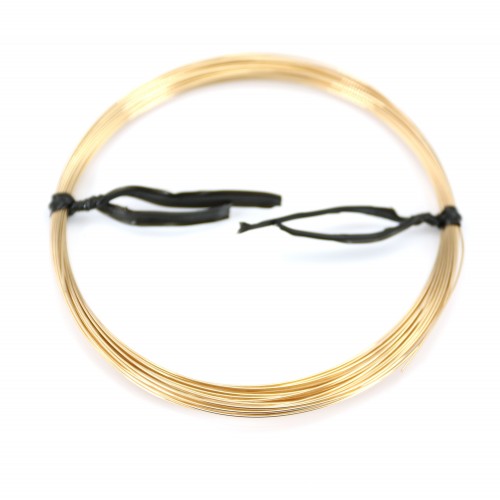
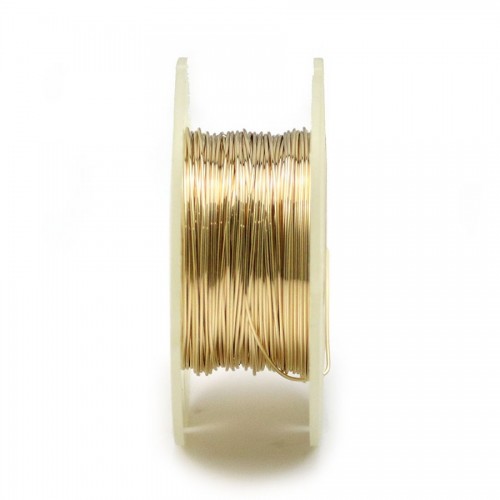
Consisting of a thick layer of gold applied to a metal core (often brass), Gold Filled is a quality alternative to solid gold. It resists fading and wear, perfect for jewelry intended to be worn frequently.
3. Copper
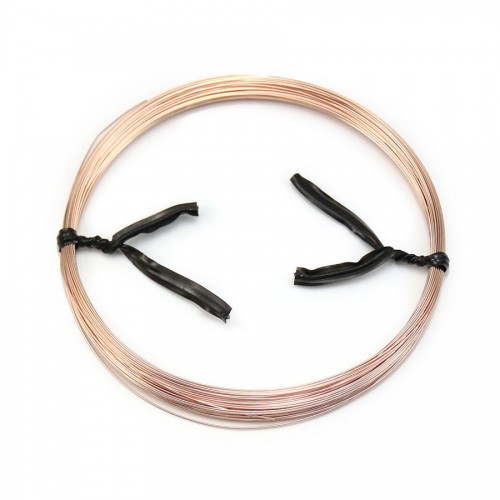
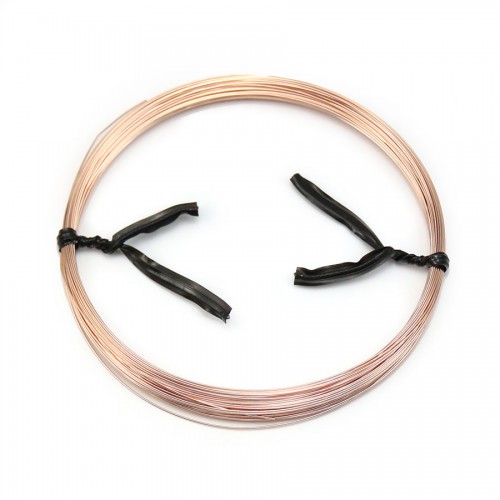
Copper, with its distinctive glowing hue, brings warmth and rusticity to designs. Malleable and affordable, it is perfect for experimenting with jewelry techniques, although it can oxidize over time, adding a unique patinated appearance.
4. Nylon-coated Steel Cable
This type of wire, composed of intertwined steel strands covered with a protective nylon layer, combines flexibility and strength. It is ideal for creations requiring a solid hold without compromising aesthetics. The nylon coating protects the underlying wire and reduces wear, while providing a smooth surface that won't damage delicate beads or other ornaments.
B. Textile wires
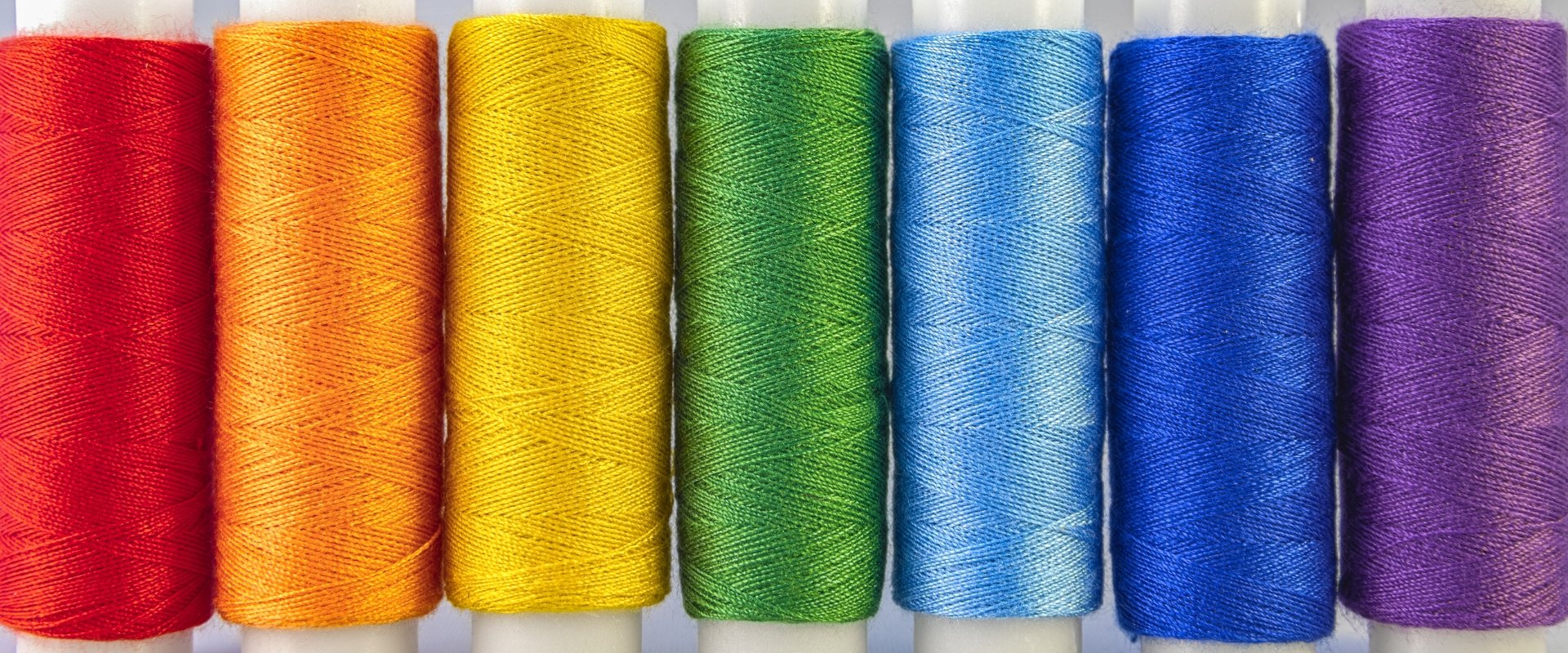
Textile wires offer a palette of textures and colors for soft, flexible creations.
1. Silk thread
Traditionally used for stringing beads, silk thread is appreciated for its softness and luxurious appearance. It is ideal for delicate jewelry, offering a touch of elegance and refinement.
2. Nylon thread
Classic nylon thread is known for its great strength and durability. It does not stretch as much as elastic thread, making it ideal for projects requiring a stable form and a long lifespan. It is often used for non-adjustable bracelets or resistant necklaces.
3. Elastic Nylon Thread
Elastic nylon thread, as its name suggests, is very elastic, allowing for the creation of adjustable and comfortable-to-wear bracelets. It can stretch to fit different sizes, making jewelry easy to put on and take off.
4. Polyester Thread (Jade Thread)
Polyester thread, or jade thread, is known for its smooth texture and great resistance to abrasion. This type of thread does not stretch, offering excellent dimensional stability for jewelry creations.
5. Cotton Thread
Offering a range of natural colors and a soft texture, cotton thread is perfect for jewelry with a bohemian or rustic style. Although it is less resistant than nylon, it brings an organic and comfortable touch.

In the next section, we will explore manipulation techniques and tips to make the most of these diverse and varied wires, ensuring that each jewelry creation is not only beautiful but also durable and functional.
II. Manipulation Techniques and Tips
Mastering wire manipulation techniques is essential to turn your ideas into reality. Here are some tips for skillfully working with metal and textile wires, guaranteeing professional results even for beginners.
A. Basic techniques
-
Stringing and Knotting:
- Stringing beads or other elements onto the wire must be done delicately to avoid damaging the wire or the beads. Use a needle suitable for the wire's diameter to facilitate this task.
- Knotting is crucial for securing beads in place. The French knot, or pearl knot, is an elegant technique that adds space between beads while reinforcing the structure of the jewelry.
-
Twisting and Wrapping:
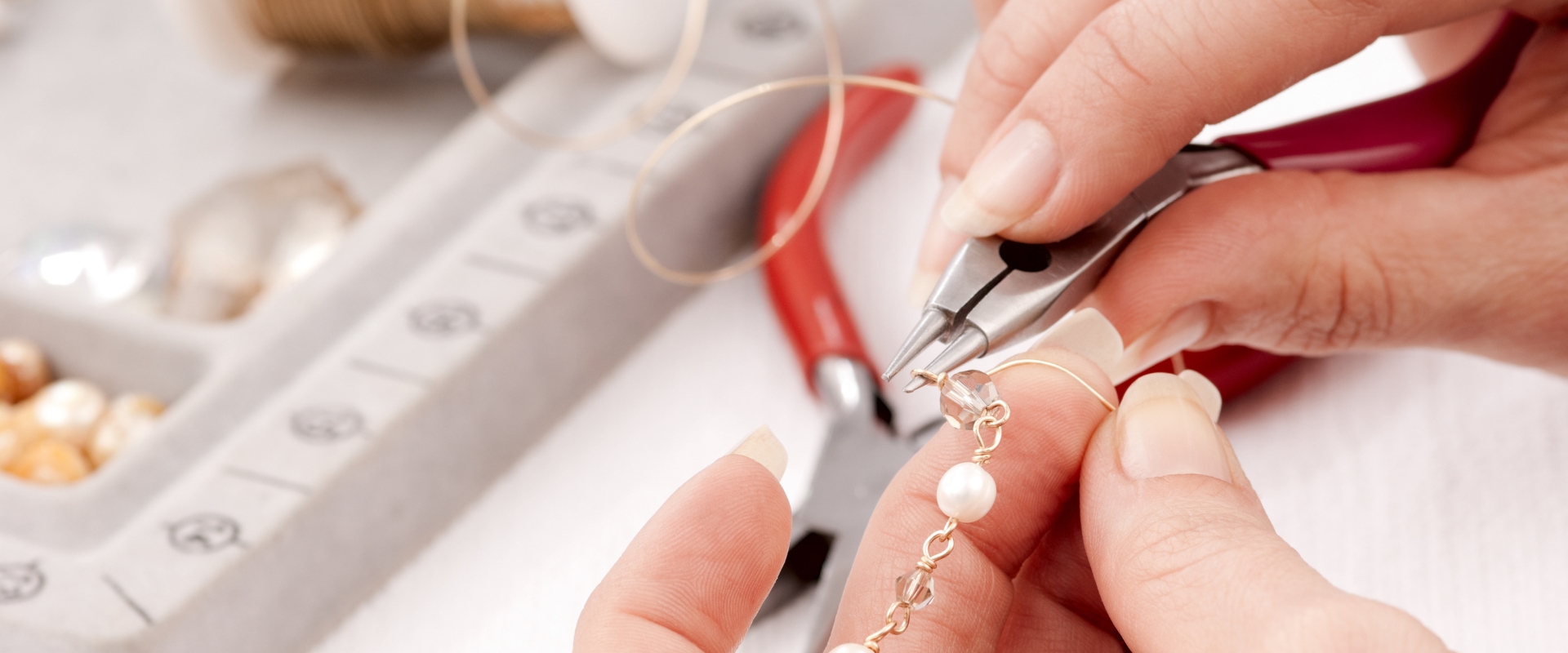
- Twisting metal wires allows for creating complex shapes and patterns. Use jewelry pliers to twist the wire precisely without damaging it.
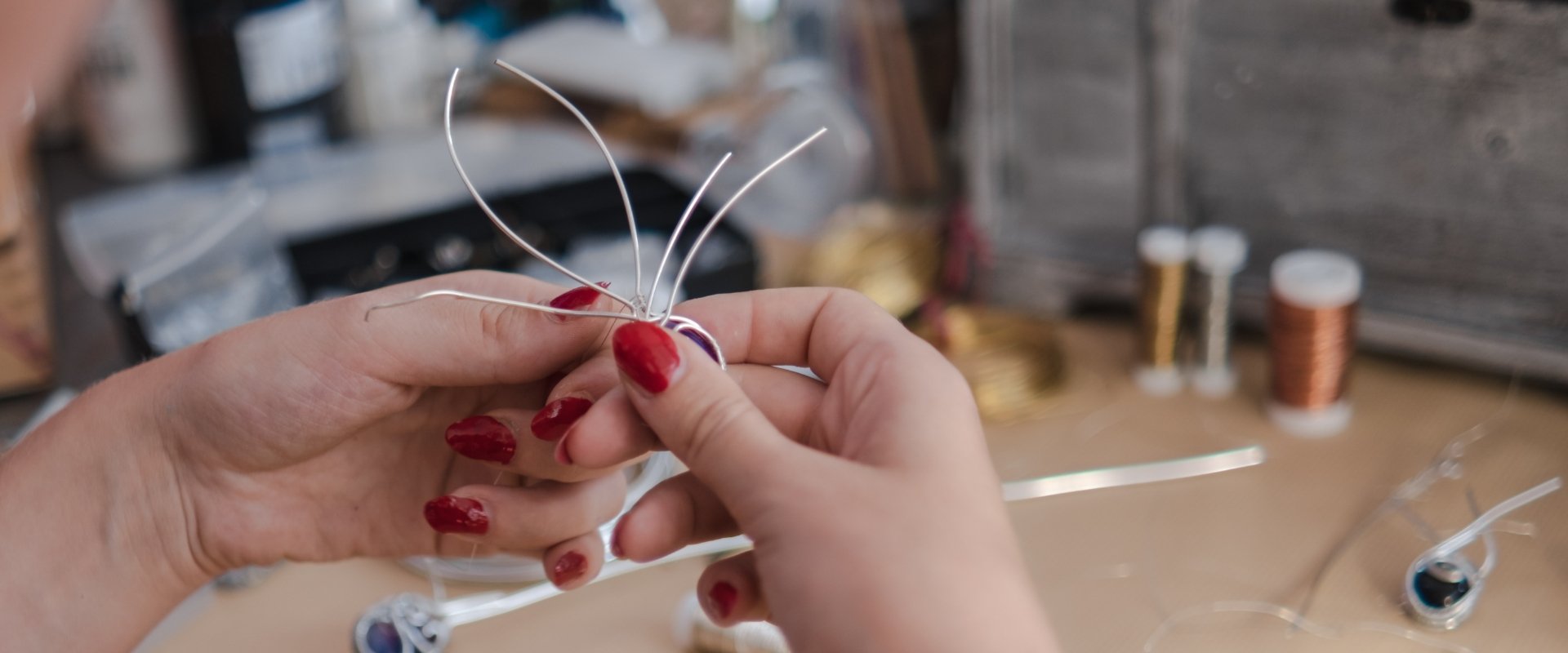
- Wrapping the wire around a mandrel or cylindrical object creates regular spirals and loops, perfect for earrings or decorative elements.

B. Tips for Working with Metal Wires
- Use high-quality tools to cut and shape the metal wire to avoid marking or breaking it.
- When manipulating, work gently to not weaken the wire by excessive bending.
- Protect the wire and your creations by using nylon-coated pliers to avoid scratches.
C. Tips for Working with Textile Wires
- Before cutting the textile wire, apply a small amount of glue or clear varnish to the ends to prevent fraying.
- When stringing, use needles suited to the type and size of the wire to avoid damaging or deforming it.
- Store textile wires away from direct sunlight and moisture to preserve their color and integrity.
III. Choosing the Wire According to the Jewelry Project
Choosing the right type of wire is crucial for the style and functionality of your jewelry. Here's how to select the ideal wire based on your project
A. Fine and Delicate Jewelry
- Opt for fine metal wires like Sterling Silver or Gold Filled for elegant and delicate creations. These materials add a touch of sophistication and are perfect for fine jewelry like delicate spacers or minimalist pendants.
- Silk thread is ideal for stringing fine beads or precious stones, offering a soft and luxurious finish. Be aware that silk thread can wear and fray over time.
- High-performance nylon thread is ideal for stringing fine beads or precious stones, providing unparalleled strength to your creations.
B. Robust and Structured Jewelry
- For pieces requiring a solid structure, such as cuff bracelets or rigid necklaces, choose thicker metal wires such as copper or stainless steel.
- Nylon-coated cable wire is also an excellent choice for pieces requiring both strength and flexibility. Its metal core ensures solidity, while the nylon coating provides a smooth and professional finish. It's an ideal choice for structured jewelry that requires a certain degree of movement while maintaining its original shape.
- Elastic nylon thread, with its strength and elasticity, is perfectly suited for adjustable bracelets or necklaces.
- Polyester thread is ideal for knotting, braiding, and fine macramé techniques. Its resistance makes it a preferred choice for jewelry intended to be worn daily.
By mastering these techniques and wisely choosing your materials, you will be able to create jewelry that not only captivates with its beauty but also tells a story of craftsmanship and creativity. Whether you are a novice or experienced, each wire offers a world of possibilities to explore.
IV. Choosing Metal Wire According to Hardness and Diameter
A. Dead Soft
Dead Soft wire is very malleable, ideal for works requiring many curves and twists.
- Very fine (0.2 mm - 0.4 mm): Ideal for delicate weaving, bead embroidery, or detailed work on fine pieces like earrings or delicate pendants.
- Fine to medium (0.5 mm - 0.8 mm): Suitable for decorative elements requiring a bit more structure while remaining malleable.
- Medium to thick (0.9 mm - 1.2 mm): Can be used for earring bases or small pendants, where some flexibility is still required but minimal structure is necessary.
B. Half-Hard
Half-hard wire offers a good compromise between flexibility and rigidity, making it suitable for structures that must maintain their shape.
- Very fine (0.2 mm - 0.4 mm): Suitable for delicate applications requiring better shape retention than that offered by soft wire, such as small Spacers or fine decorative elements.
- Fine to medium (0.5 mm - 0.8 mm): Ideal for creating earrings, pendants, spacers, open rings, and base structures for jewelry that requires some rigidity without being too heavy.
- Medium to thick (0.9 mm - 1.2 mm): Perfect for pendant frames, bracelet bases, or clasps where good resistance is needed to maintain the structure of the jewelry.
C. Full-Hard
Full-Hard wire maintains its shape very effectively and is more difficult to manipulate. It is used for structures requiring great solidity.
- Fine to medium (0.5 mm - 0.8 mm): Excellent for clasps, brooches, bracelets and elements requiring high resistance to deformation. They are also used for pendant supports or jewelry elements that must support weight or tension.
- Medium to thick (0.9 mm - 1.2 mm and over): Ideal for jewelry frames, rigid bracelets, ring bases, or any other piece requiring a very solid structure. These wires are the most resistant and are chosen for pieces that must last over time without losing their shape.

It is important to note that these suggestions are general guidelines. Specific choices may vary based on individual style, used techniques, and the nature of the jewelry project. It is always advisable to test the wire and practice the techniques to find the best match between the wire and the envisioned project.
Conclusion
Choosing the right wire for your jewelry creations is essential for achieving aesthetic and durable results. By understanding the differences, specialties, advantages, and disadvantages of each type of wire, you can make informed decisions and create unique pieces that meet your needs and style. Experiment with different wires to discover new possibilities in the art of jewelry making.
Related products
Sterling Silver 925 Rhodium hard wire 0.4mm x 1m
Sterling Silver 925 Rhodium wire 0.6mm x 1m
Silver wire 925 0.3mm x 3m
Silver wire 925 0.4mm x 1m
925 sterling silver wire 0.5mm x 1m
Silver wire 925 0.6mm x 1m
925 sterling silver wire 0.7mm x 1m
Silver wire 925 0.8mm x 1m
925 sterling silver wire 1.2mm x 1m
925 sterling silver wire 1.5mm x 1m
Rhodium 925 sterling silver wire 0.8mm x 1m
925 silver sparkle wire 0.4mm x 1m
925 silver sparkle wire, 0.5mm x 1m
925 silver sparkle wire, 0.8mm x 50cm
925 sterling silver wire 1mm x 1m
Flexible Gold Filled Wire 0.81mm x 1m
Wire half-hard Gold Filled 0.41mm x 12.5m
Wire half-hard Gold Filled 0.51mm x 9m
Wire half-hard Gold Filled 0.64mm x 5.7m
Wire half-hard Gold Filled 0.81mm x 3.2m
Wire half-hard Gold Filled 1.27mm x 2.5m
Flexible Gold Filled wire, 0.25mm x 1m
Flexible Gold Filled Wire 0.33mm x 1m
Flexible Gold Filled Wire 0.33mm x 21.2m
Flexible Gold Filled Wire 0.41mm x 12.55m
Flexible Gold Filled Wire 0.41mm x 1m
Flexible Gold Filled Wire 0.51mm x 1m
Flexible Gold Filled Wire 0.51mm x 9m
Flexible Gold Filled Wire 0.64mm x 1m
Flexible Gold Filled Wire 0.64mm x 5.7m
Flexible Gold Filled Wire 0.81mm x 3.2m
Flexible Gold Filled wire 1.02mm x 2m
Flexible Gold Filled wire, 0.25mm x 33m
Sparkle wire in Gold Filled 0.51mm x 30cm
Sparkle wire in Gold Filled 0.64mm x 30cm
Sparkle wire in Gold Filled 0.89mm x 30cm
Sparkle wire in Gold Filled 1.0mm x 30cm
Rose Gold Filled wire 0.33mm x 1m
Gold Filled wire 0.5mm x 1m
Gold filled wire 0.4mm x 12.5m
Gold Filled wire 0.4mm x 1m
Leave a comment
Related posts
Gold Filled vs Gold Plated vs Gold Gilt
Understanding the difference between 925 Silver and Rhodium Silver
Deep Discovery of the Tibetan Mantra: "Om Mani Padme Hum"
Secrets for caring for and cleaning your silver and gold-filled jewelry